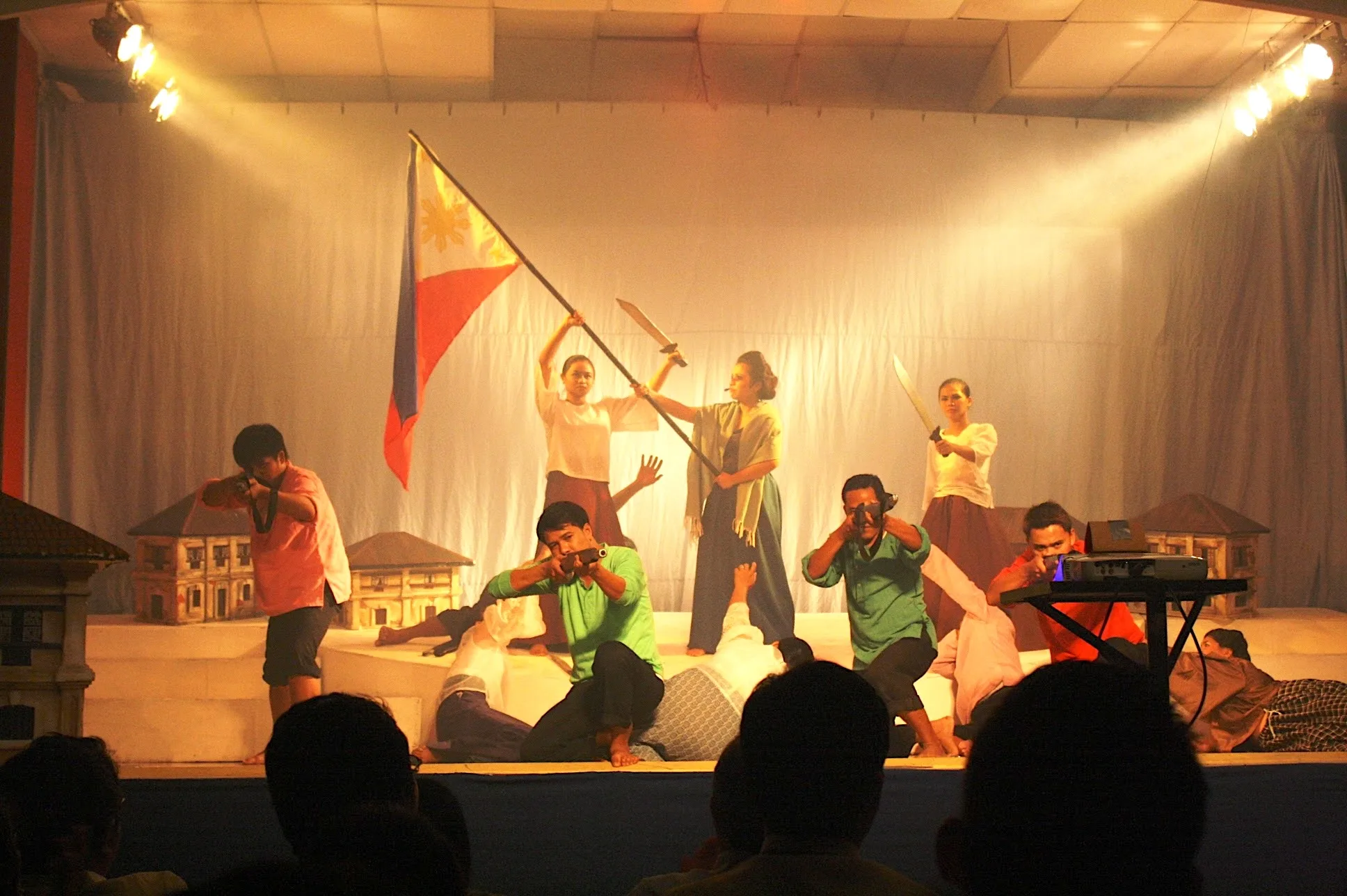
Performance art was never something I deliberately packed into my travel itineraries, yet it slowly became one of my favorite ways to experience a destination.
Growing up, I enjoyed watching cultural performances. Still, when I traveled, I preferred open skies, winding streets, mountain trails, and the unpredictable excitement of simply wandering.
A dark theatre rarely competed with the promise of a new adventure. But travel has a funny way of changing our plans.
Recent journeys led me through theatre doors, cultural centers, dinner shows, and open-air stages. There, I discovered another side of travel—one where history wore costumes, stories moved to music, and traditions stepped into the spotlight.
Living in a tropical country may have prepared me for this change. After spending hours beneath a relentless sun, feeling warm, humid air cling to my skin, the cool darkness of a theatre suddenly felt inviting. Yet, beyond the comfort of air-conditioning, I found something far more rewarding waiting inside.
I found culture coming alive. Looking back, I realized performance art had actually been part of my travels for years. I simply experienced it because a host brought me there, a conference included it, or a familiarization trip placed it on the itinerary.
Only recently did I begin deliberately looking for these experiences. Now, when I travel, I do not just ask what there is to see. I also wonder what there is to watch.
Performance Art Came Alive on Water in Vietnam
Our encounter with Vietnamese performance art began with a simple decision in Hanoi. The city was hot, busy, and buzzing. Motorcycles streamed through the streets, vendors filled the sidewalks, and the humid afternoon seemed to wrap itself around everything.
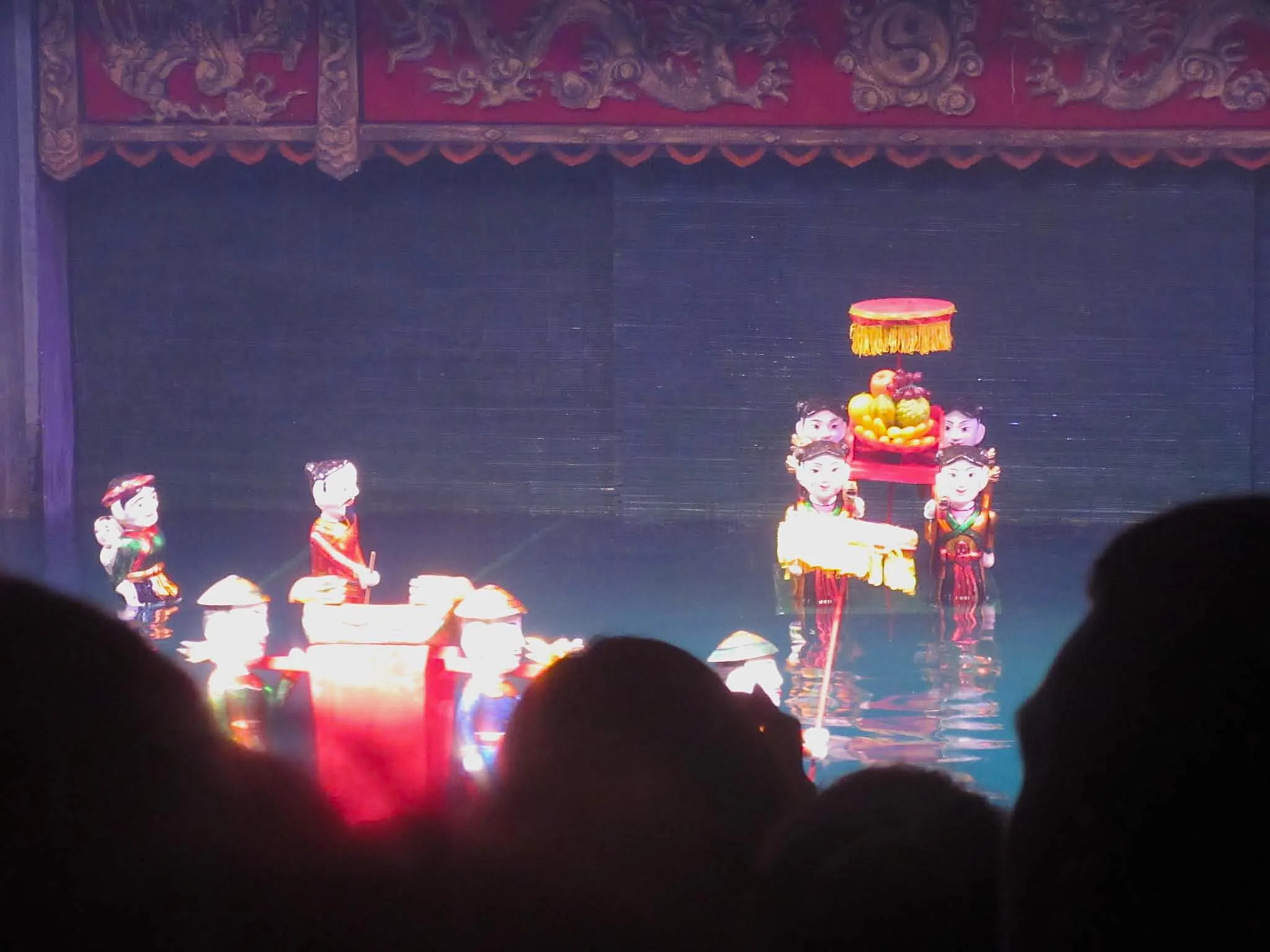
After hours of exploring, we craved somewhere cool. That was how we found ourselves inside the Thang Long Water Puppet Theatre. Then the lights dimmed.
A shimmering pool appeared before us, its surface catching the glow from the stage. Suddenly, wooden puppets seemed to glide across the water as if an invisible world had risen from beneath it.
Musicians played traditional instruments while voices and rhythms filled the theatre. The puppets moved, danced, splashed, and told stories. I found myself completely absorbed.
What began as an escape from Hanoi’s heat became an unexpected lesson in Vietnamese culture. The show revealed traditions through music, movement, humor, storytelling, and artistry.
It also made me wonder how many experiences I had overlooked on previous journeys. I had spent so much time looking at Vietnam. That afernoon, I finally watched it tell its story.
An Unexpected Khon Performance in Bangkok
Thailand offered another colorful chapter in my growing appreciation for performance art. My sister and I, after our Hanoi experience, later encountered another form of performance art during a vacation in Bangkok. Our ticket to the Grand Palace came with a free pass to a traditional Khon dance performance.
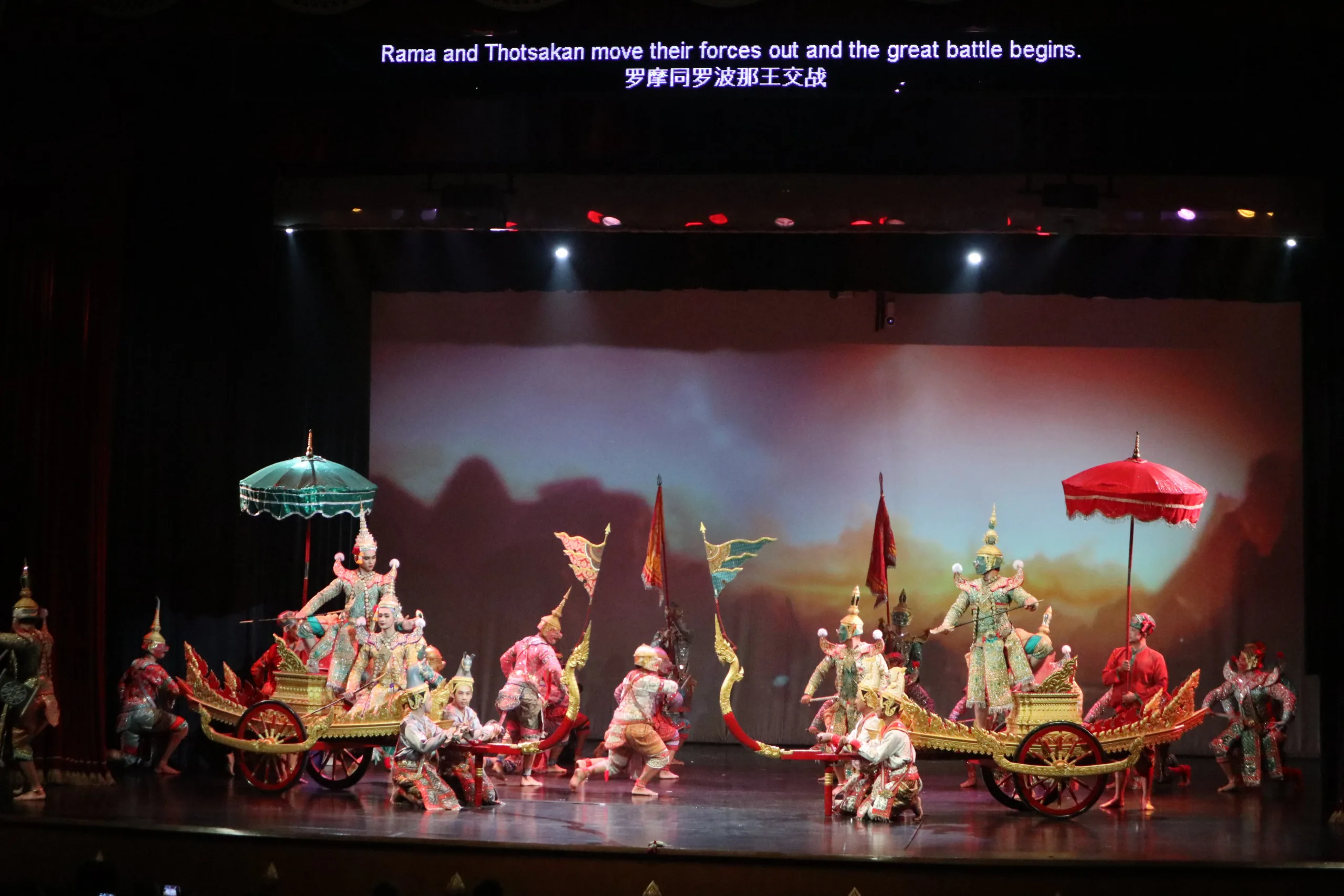
With the scorching sun hindering our Grand Palace exploration, we did not hesitate. We hopped on the tram service and headed toward the Sala Chalermkrung Royal Theatre. Inside, masked performers took the stage. Their elaborate costumes caught the light while their movements remained deliberate and precise.
Every gesture seemed carefully measured, carrying meaning even when the performers remained silent. Khon combines masked dance, music, movement, and storytelling. Yet, watching it felt like witnessing an ancient story breathe again.
The Many Faces of Thai Performance Art
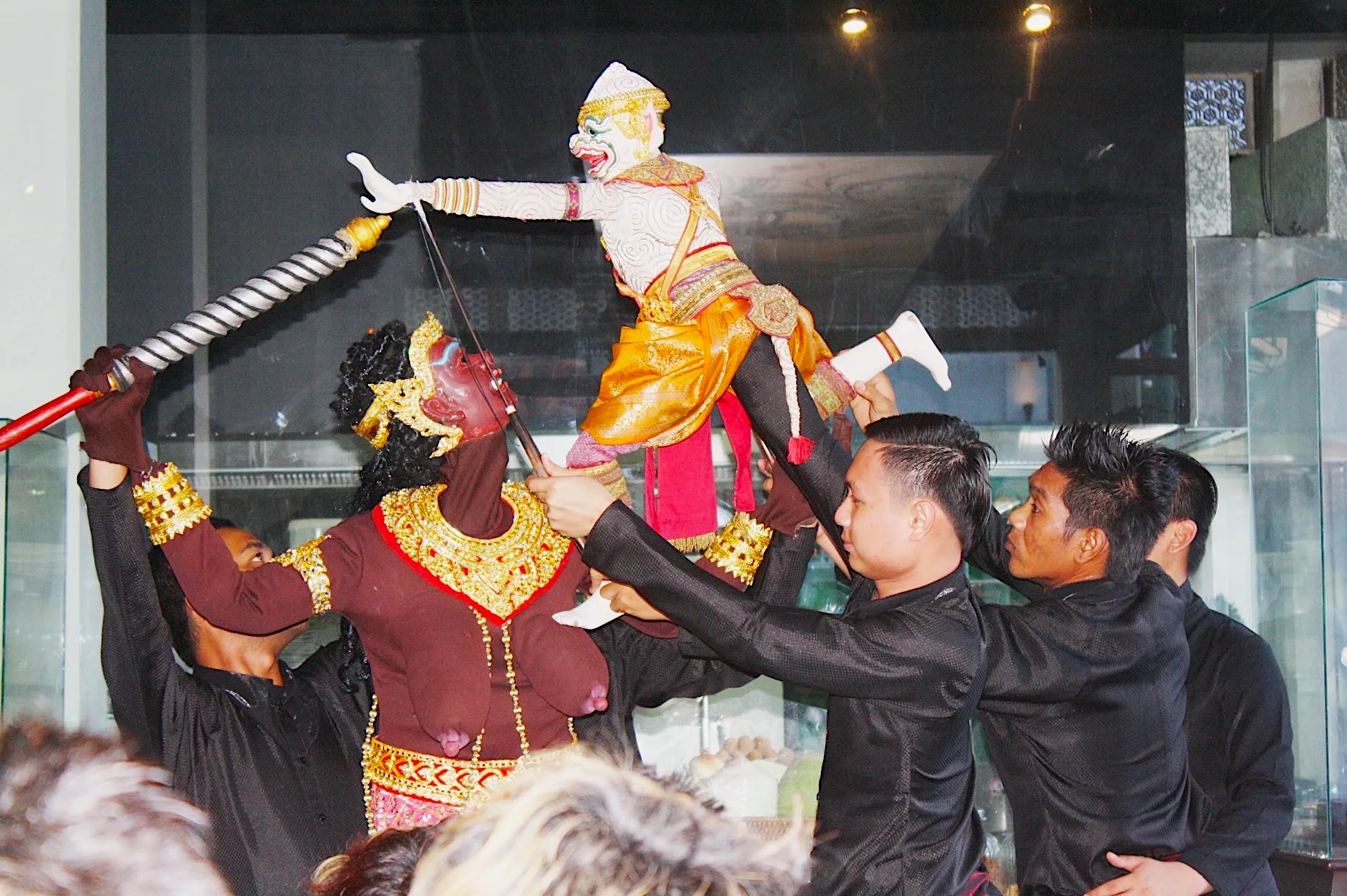
But it wasn’t the first time I watched a Thai performance art. During one familiarization trip, I found myself at Asiatique Riverfront, where the Joe Louis The Art of Thai Cuisine and Puppet Theatre presented a Thai puppet show.
The restaurant came alive with intricate figures, expressive movements, music, and storytelling. Behind the apparent simplicity of puppetry was an impressive choreography between performers and puppets. Every movement mattered, while we embrace the intimacy of a small gathering.
At the same venue, I watched Muay Thai Live at The Stage. The atmosphere shifted dramatically. The energy of the martial arts ring met the drama of the theatre.
Fighters moved with precision while lights, music, and storytelling transformed combat into a theatrical spectacle. It was Muay Thai, but it was also storytelling.
Dancing Beneath the Chiang Mai Sky
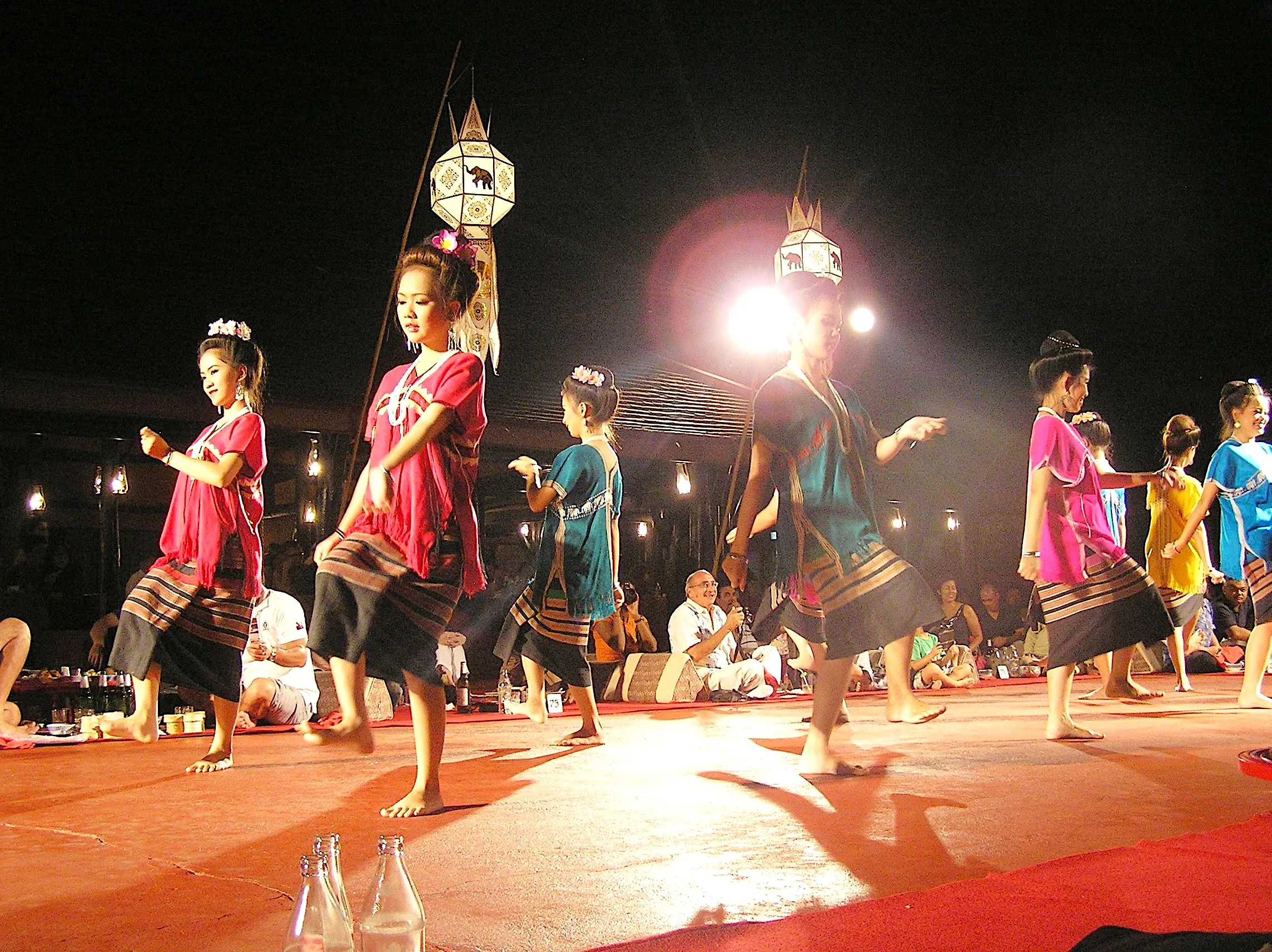
Another earlier journey took me north to Chiang Mai. At the Old Chiang Mai Cultural Center, traditional Lanna dancers performed beneath a darkening sky. The warm glow of the lights illuminated their colorful costumes as their hands moved delicately through the air.
Behind us, dinner awaited. We were enjoying a Khantoke dinner, a traditional Northern Thai meal served around a low, round pedestal tray. Plates of local dishes surrounded us while music and dance unfolded nearby.
The experience engaged more than one sense. There was the fragrance of Thai food, the rhythm of traditional music, the colors of the dancers, and the soft evening air. It felt less like watching a show and more like stepping into a living cultural tableau.
Discovering Kerala Through Performance Art
If Thailand introduced me to several theatrical traditions, Kerala opened an entirely new world.
Joining Kerala Blog Express Season 4 with 18 other bloggers from around the world became an unforgettable cultural journey. Everywhere we went, another story seemed to be waiting. And many of those stories arrived through performance art.
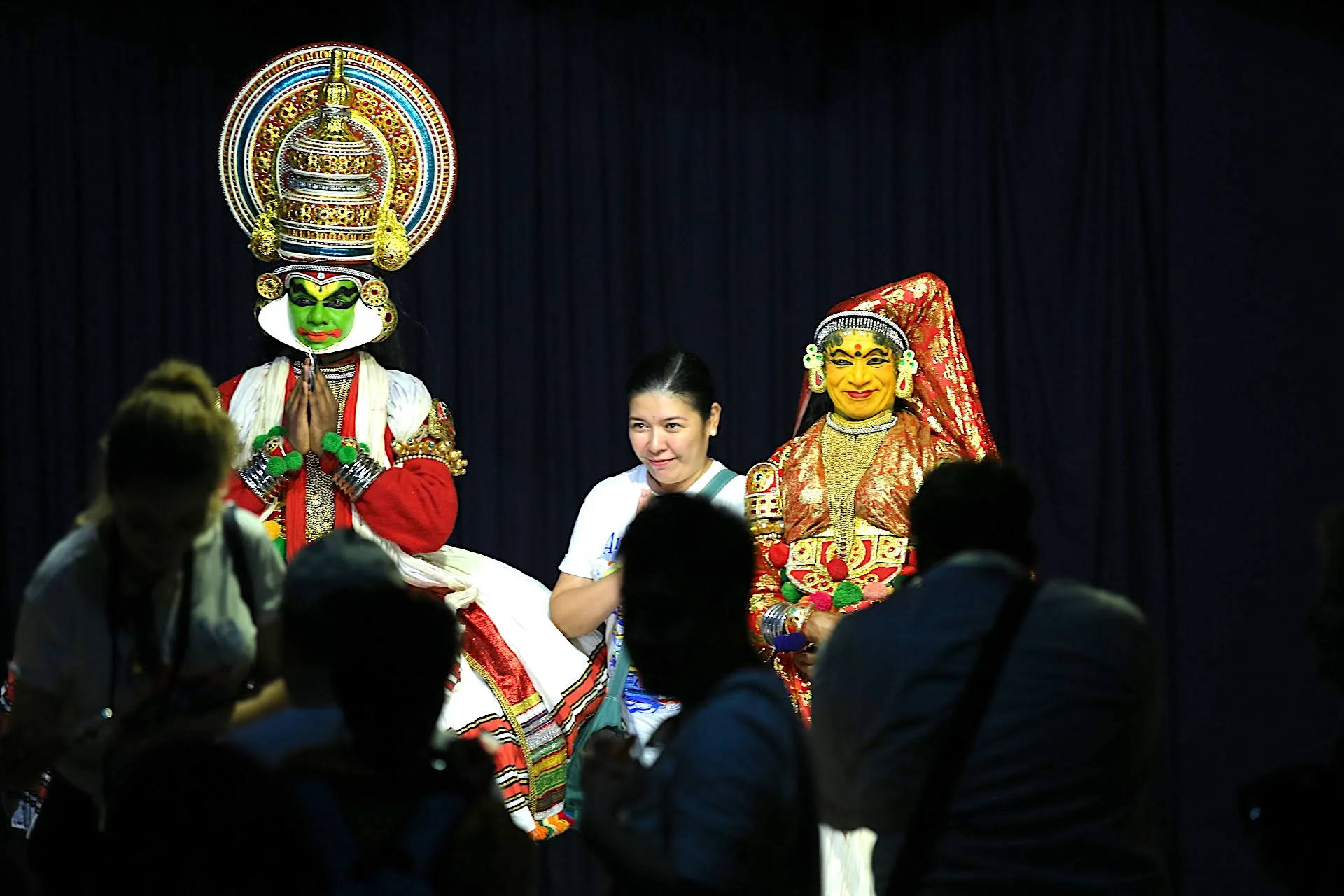
In Kochi, we watched Kathakali. Before the performance began, the actors already looked like figures from another world. Their faces were transformed by vivid makeup. Their costumes were elaborate, their eyes intensely expressive, and their movements deliberate.
Kathakali is a classical dance-drama of Kerala that tells stories through dance, gestures, facial expressions, and movement. But describing it only in words does not quite capture its magic.
The performer’s widened, shifting eyes seemed to speak volumes, while every movement of the hand conveyed meaning beyond words. With each subtle change in facial expression, an entire spectrum of emotions unfolded across the stage, transforming the performer’s body into a language of its own.
The performance reminded me that storytelling does not always need a spoken sentence. Sometimes, a single glance can say everything.
Koodiyattam and the Art of Expression
Elsewhere in Kerala, we encountered Koodiyattam, an ancient Sanskrit theatre tradition. Its pace felt deliberate, almost meditative.
Performers used their eyes, faces, hands, and bodies to communicate classical stories. Every gesture appeared carefully controlled, allowing even the smallest movement to become part of the narrative.
It was performance art stripped of hurry. The actors seemed to stretch time itself.
The Lively Spirit of Ottan Thullal
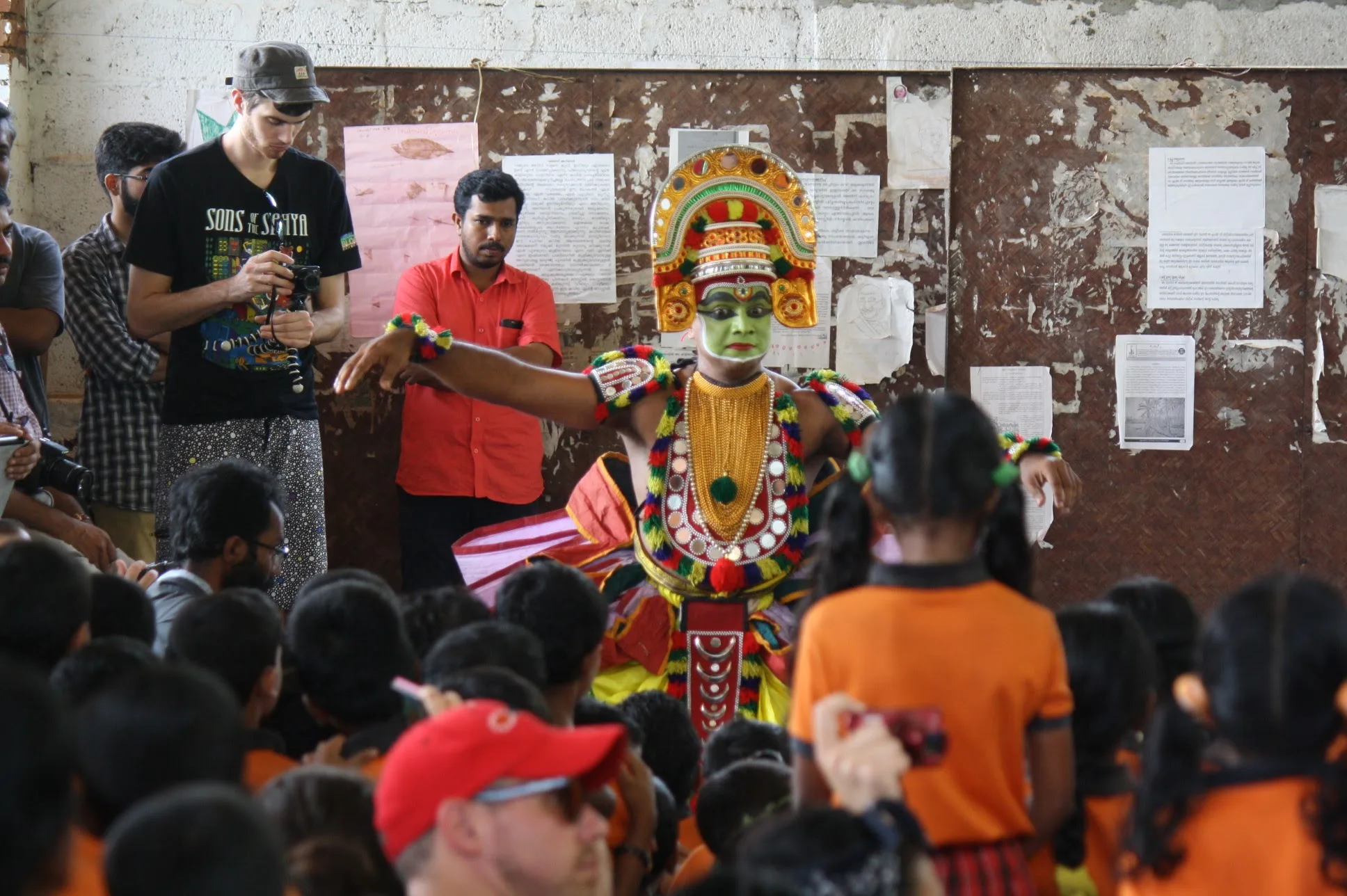
Then came Ottan Thullal, and the atmosphere changed completely. This lively solo performance combines poetry, dance, humor, and satire. Mythological stories provide the foundation, while humor and social commentary give the performance a playful edge.
The performer commands the stage almost single-handedly. Words tumble into movement. Movement turns into laughter. And laughter becomes a clever way of looking at society.
Shadows That Tell Stories
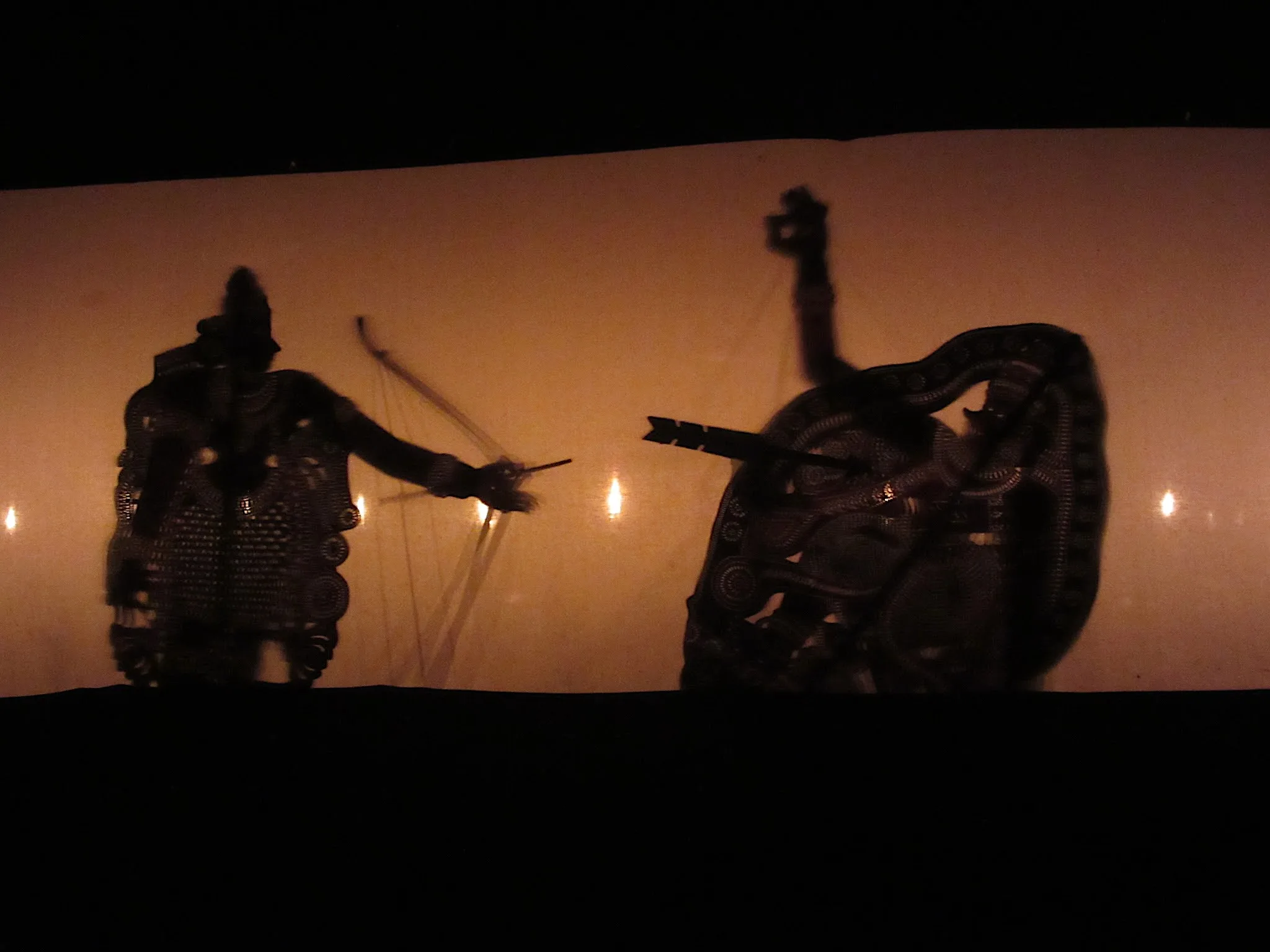
We also experienced Manu Folk Art Forms, where storytelling unfolded through dance. Then came Tolpava Koothu, Kerala’s traditional shadow puppetry.
Behind a glowing screen, puppets appeared as dark silhouettes. Light became the stage. Shadows became characters. Stories emerged from the darkness.
It reminded me of the water puppetry I had seen in Vietnam, yet the experience felt unmistakably Kerala.
Two cultures. Two forms of puppetry. Two very different stages. Yet both showed how imagination can turn simple materials into extraordinary worlds.
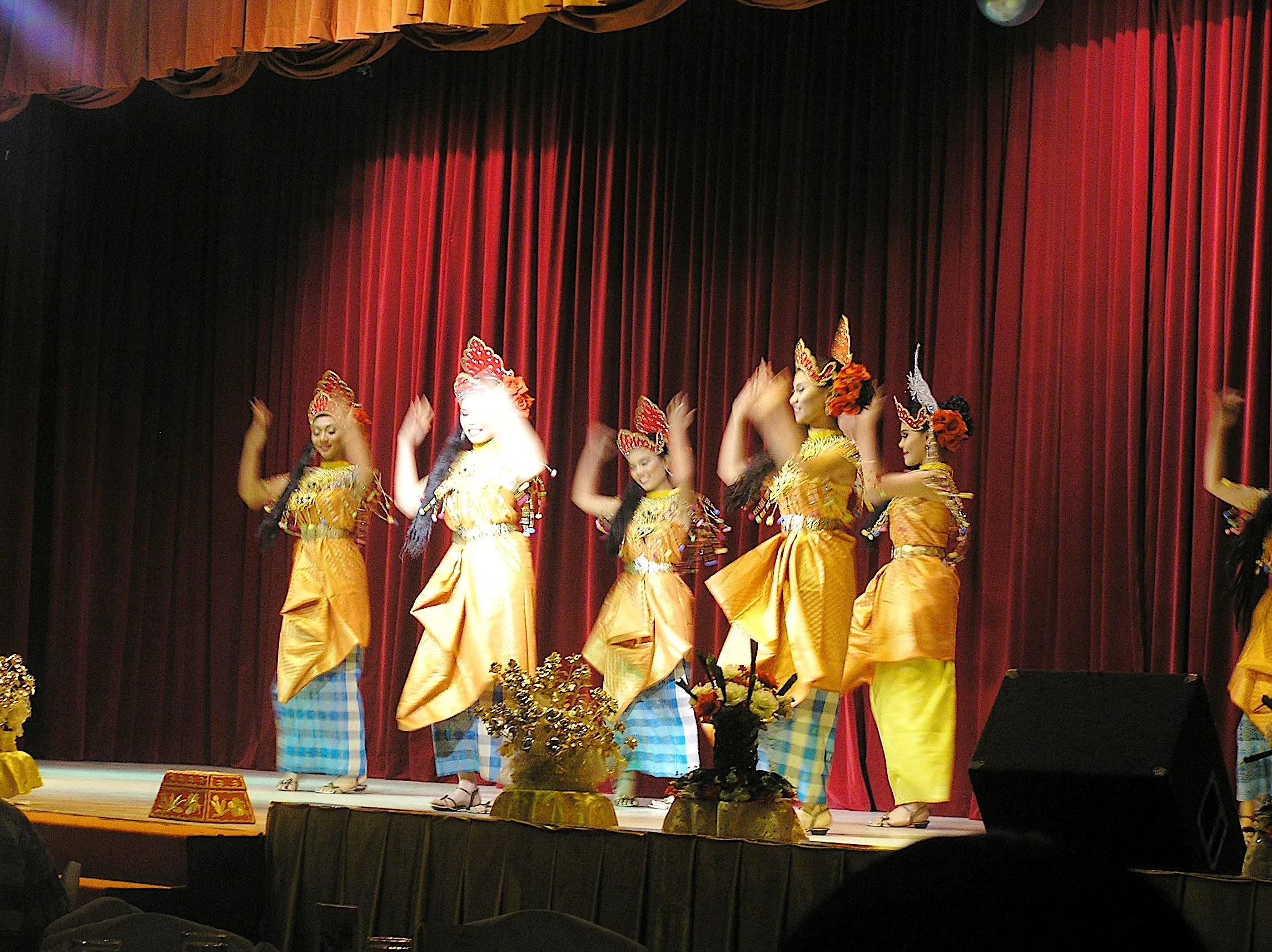
Performance Art in the Heart of Kuala Lumpur
Earlier travels, such as my first trip to Kuala Lumpur, already exposed me to cultural performances. At that time, fellow members of our ASEAN Multiply Group hosted me and my friends to a dinner at Saloma Theatre Restaurant.
We came for the food, but the stage captivated us to stay.
One after another, dancers appeared in colorful costumes. Minangkabau, Chinese, Indian, and Portuguese influences filled the stage. Costumes shimmered beneath the lights while music shaped by generations of tradition carried the dancers through graceful movements.
The stage became a miniature Malaysia. Different cultures stood beside one another, each retaining its own character while contributing to one larger performance.
Some dances even reminded me of Philippine folk dances. I recognized familiar elements in the costumes, props, and movements. For a moment, the distance between Malaysia and the Philippines seemed much smaller.
Perhaps that is another gift of travel. It reveals how different we are while showing us how much we share.
When Performance Art Becomes a Welcome
The more I traveled, the more I noticed how often performance art appeared alongside tourism. In the Philippines, cultural performances frequently welcome visitors at festivals, conferences, and special events.
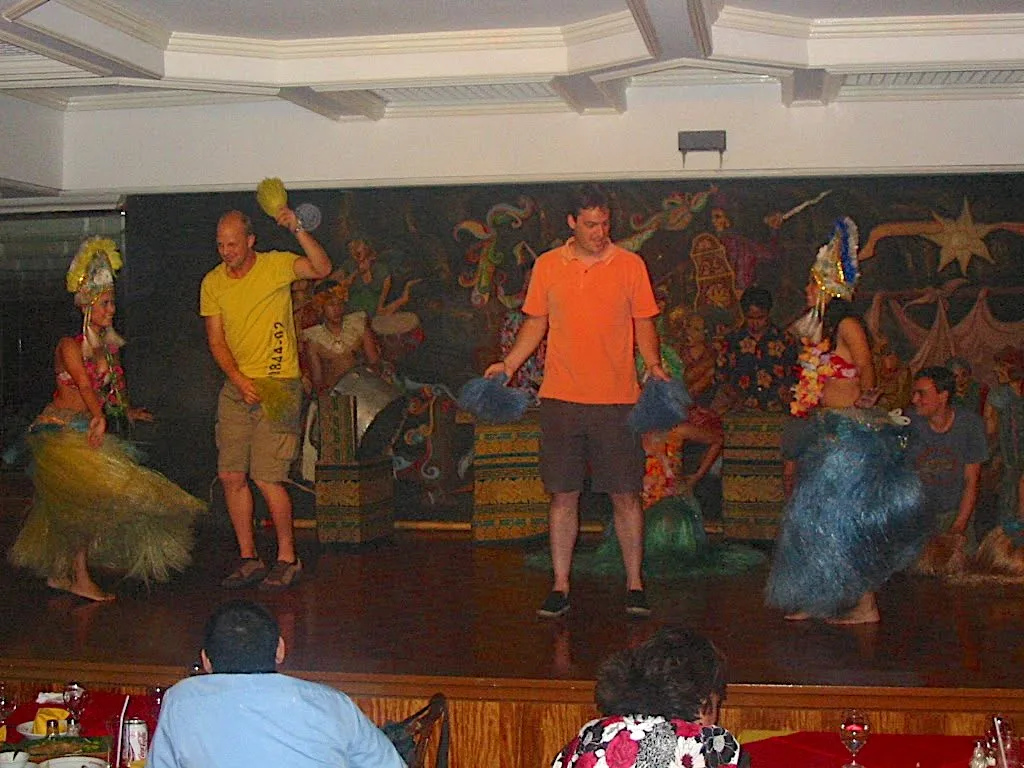
I experienced this firsthand when foreign volunteers arrived in the country. We brought them to Zamboanga Restaurant in Malate, Manila, where a cultural show introduced them to Filipino traditions.
The dancers became our cultural ambassadors. They did not simply perform. They welcomed.
I experienced something similar during an international conference in Vigan, Ilocos Sur. Part of the program included a local play performed in Ilocano. I could not understand every word. Yet, I understood the story.
Facial expressions, gestures, movements, and the actors’ timing filled the gaps created by language. That moment stayed with me because it showed that culture can speak without translation.
Performance Art Beyond the Theatre
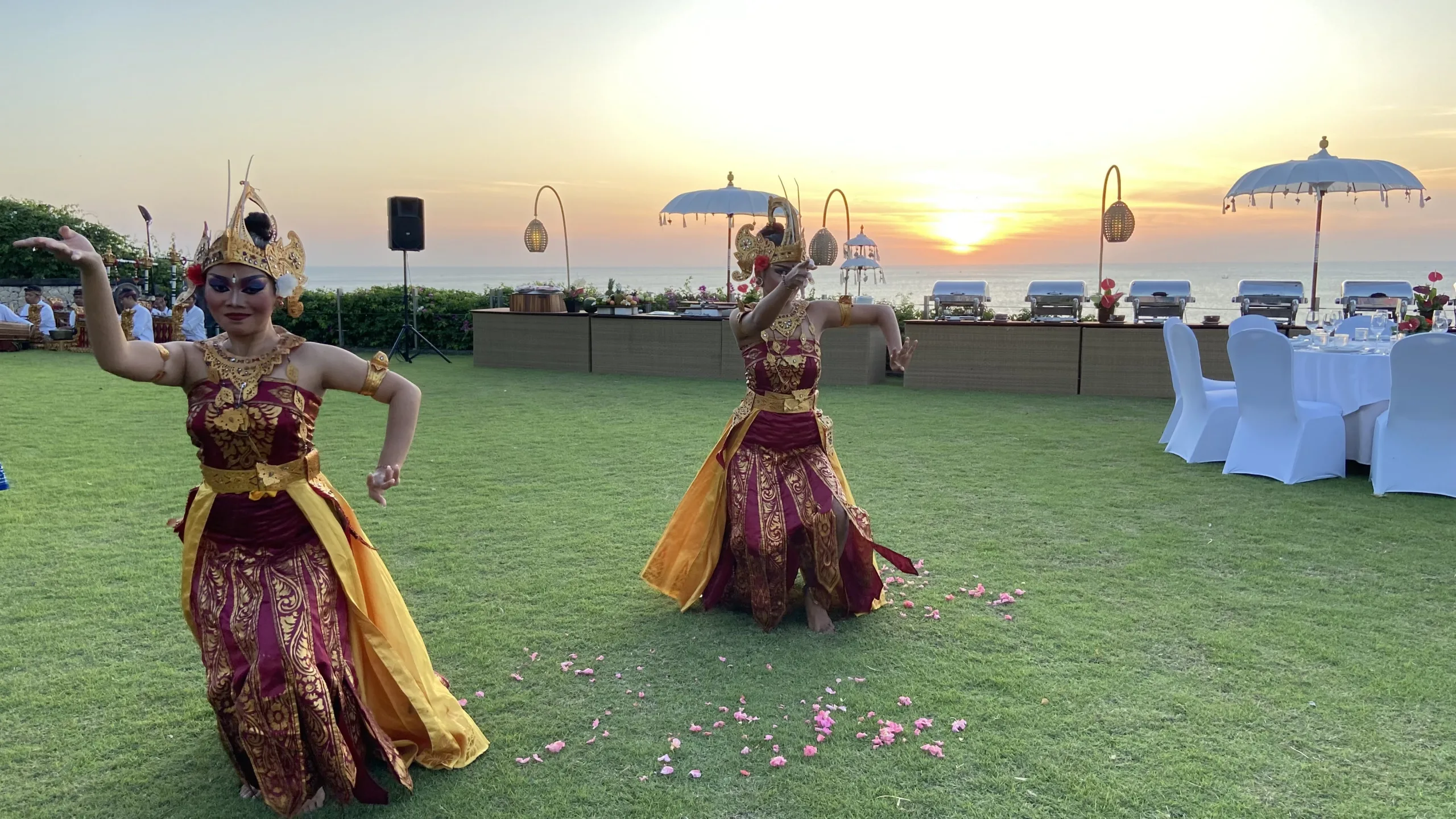
Not every cultural performance requires a theatre. Sometimes, the stage is a restaurant. Other times, it is a plaza. In other occasions, it is a patch of grass beneath the evening sky.
During conferences in Bali, Indonesia, and Phuket, Thailand, our outdoor welcome dinners featured local performances.
As the evening settled in, performers became part of the scenery. The sounds of music mingled with conversations while dancers moved beneath the open sky.
Food and performance became two sides of the same cultural introduction.
One delighted the palate. The other awakened the senses.
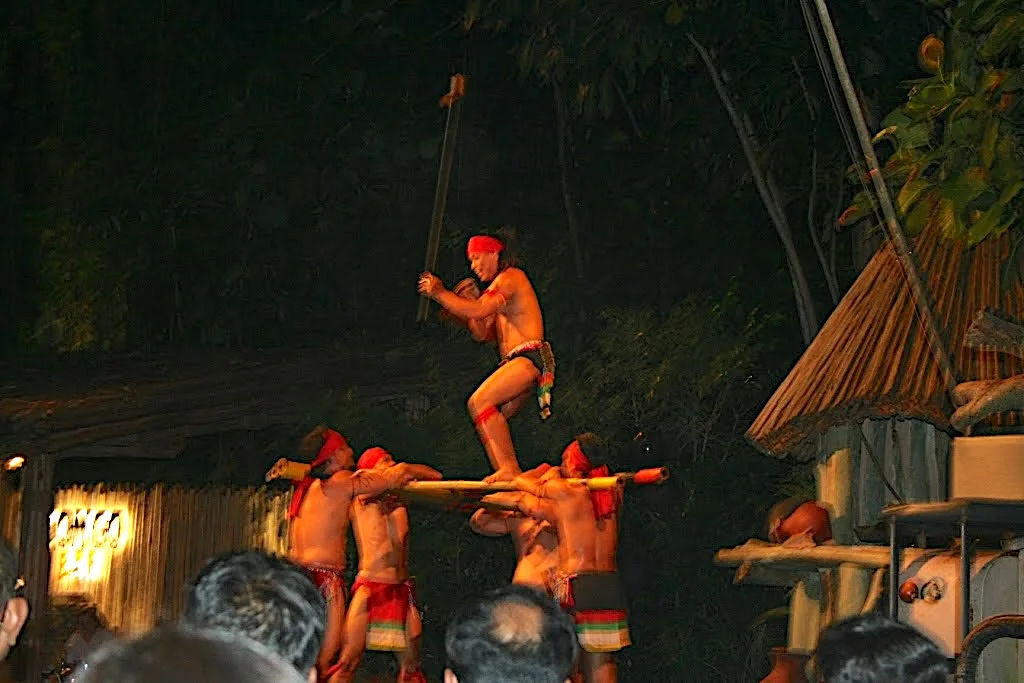
Tourist attractions can also bring performance art into the visitor experience. I remember watching a traditional dance at the Singapore Zoo. The performance added a cultural dimension to an attraction otherwise centered on wildlife.
Then, in Rotorua, New Zealand, I encountered the powerful Māori haka at Te Puia. The atmosphere changed the moment the performers took their positions. Their voices grew strong. The movements became forceful. Expressions intensified.
The haka carried an unmistakable sense of collective strength and cultural identity. It was impossible to simply watch it casually. The performance demanded attention. And it left an impression long after the final movement ended.
Seeing Destinations Through Performance Art
Looking back, I realize how quietly performance art has woven itself into my travels. I have watched wooden puppets glide across water in Vietnam. I have seen masked performers bring ancient Thai stories to life.
I have watched Kathakali performers transform their faces into living canvases. I have followed stories through shadows in Kerala and watched cultural traditions unfold on stages across Southeast Asia.
Each performance left something behind. They gave me a new piece of history. Sometimes, it was a melody I could not name. But in most cases, it was simply the memory of watching a performer move beneath a spotlight.
But together, these experiences changed how I see travel. I used to think travel meant discovering what a place looked like. Now, I also want to know what it sounds like.
What stories does it remember? What traditions does it protect? What movements have survived from one generation to another? And who keeps those stories alive?
Why Performance Art Now Belongs on My Itinerary
There are still countless forms of performance art I have yet to discover. In many ways, I have only scratched the surface. Perhaps that is what makes the journey exciting.
I may have overlooked cultural performances during my earlier travels, but I am grateful to the hosts, organizers, friends, and fellow travelers who brought them into my path.
They taught me that a performance does not need to be the main reason for visiting somewhere. Sometimes, it can become the unexpected highlight of the trip.
So, moving forward, I will look beyond the usual sightseeing checklist. I will check local theatres, cultural centers, restaurants, festivals, and tourism attractions for performances happening during my visit.
Because a destination is more than its landmarks. It is the rhythm of its music or
the colors of its costumes. It may be the movement of its dancers or the voices of its storytellers. We may find the soul of the place in the shadows behind its puppets.
And the stories that continue to live because someone is willing to perform them. Perhaps that is why I have grown to love performance art. It does not merely show me a culture. It lets me watch that culture come alive.
Leave a Reply