
As the global community accelerates efforts to safeguard 30% of the world’s oceans by 2030, the Philippines hosted the Asia Regional Large-Scale Marine Protected Area (LSMPA) Workshop in Iloilo City. The Zoological Society of London – Philippines (ZSL), together with the Blue Nature Alliance (Alliance) and regional partners from government, academe, and non-governmental organizations, recently convened to explore science-based, community-driven approaches for large-scale marine conservation.
Co-hosted by Big Ocean—a peer-learning network created by and for managers of large-scale marine areas—with technical and financial backing from the Alliance, a global initiative aiming to protect 18 million square kilometers of ocean, the two-day event brought together representatives from the Philippines, Indonesia, Thailand, Malaysia, Maldives, Vietnam, and the Solomon Islands to share perspectives on the challenges and opportunities of scaling up ocean protection—from policy gaps and governance hurdles to climate impacts, illegal fishing, and transboundary cooperation.
“With the highest nearshore marine biodiversity in the world, Asia has long been at the forefront of coastal protection,” said Laure Katz, Executive Director of the Alliance. Building on this legacy, the workshop highlighted the urgent need to expand marine protection beyond 12 nautical miles by strengthening science-policy-community linkages, laying the groundwork for an Asia Regional LSMPA Community of Practice, and crafting a strategic roadmap for large-scale marine conservation.
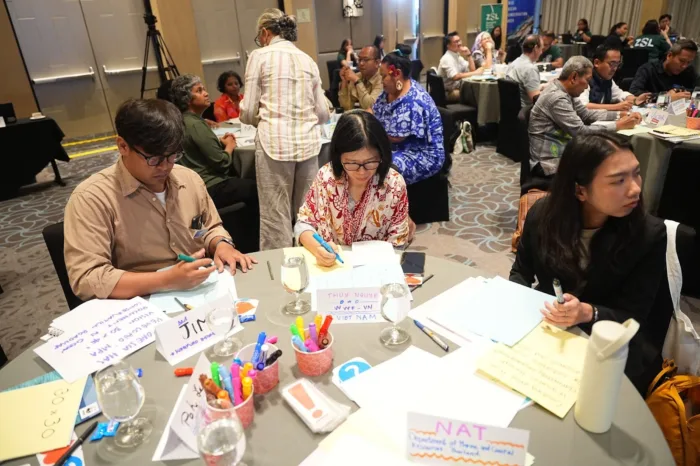
Advancing Regional Collaboration in Conservation
The workshop highlights ZSL Philippines’ leadership in science-led conservation and illustrates how multi-sector, multi-country collaboration—supported by BNA—can drive faster progress toward the 30×30 goal.
The Alliance emphasizes that partnership is essential to advancing ocean conservation. “The Blue Nature Alliance is working with over 130 partners globally to advance ocean conservation in 5% of the world’s ocean as a significant contribution to the global 30×30 goal,” said Katz. Participants jointly identified the primary pressures on Asia’s marine ecosystems as pollution and climate change, illegal, unreported and unregulated fishing, sea-level rise, and habitat loss.
They also put forward key recommendations, including integrating marine conservation with food security goals, establishing long-term and equitable financing mechanisms with government involvement, aligning ocean-related policies to ease implementation, and boosting public engagement in conservation efforts. These actions reflect Asia’s innovative spirit in forging a robust foundation for marine protection.
“The potential for Asia is huge. It can be a trailblazer, creating a ‘Big Ocean 2.0,’ leading the second wave of large-scale protection, and showing the world that fisheries, food security, and conservation can be addressed together,” said Naiʻa Lewis, Director of Big Ocean.
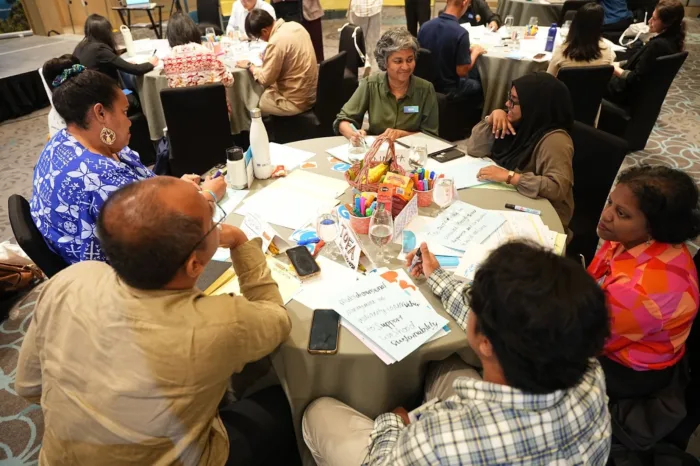
Philippine Rise: One of Asia’s Most Ambitious Conservation Efforts
The proposed Philippine Rise Ocean Conservation Area, led by ZSL in collaboration with the Department of Agriculture–Bureau of Fisheries and Aquatic Resources, Fisheries Management Area 1, and the Alliance, would cover roughly 150,000 square kilometers—or 7.5% of Philippine waters—potentially becoming Asia’s largest single marine protected area, safeguarding biodiversity while supporting long-term food security.
“The thinking around marine protected areas has long been at a much smaller scale,” said Edwina Garchitorena, Country Director of ZSL Philippines. “We know the challenges remain—from community understanding to governance alignment—but we also know the impact will be there. We are committed to helping make this shift happen.”
“The movement for large-scale protection with comprehensive solutions both nearshore and offshore has started in Asia, with governments—particularly in the Philippines and Indonesia—taking bold steps to turn commitments into action,” added Katz.
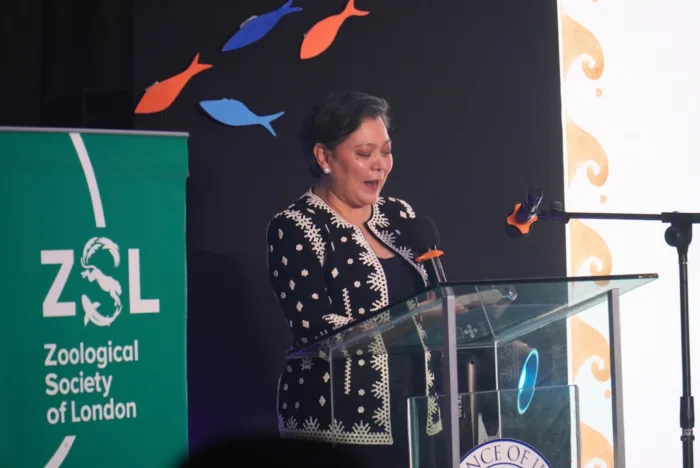
Toward a Collective Path for Ocean Protection
The workshop demonstrated that large-scale marine protection is increasingly achievable when rooted in science, policy, community involvement, and international cooperation. “The Asia Regional LSMPA Workshop is the beginning of a meaningful journey to inspire bold action for marine protection for the benefit of people and nature,” shared Katz.
ZSL, alongside the Alliance, Big Ocean, and regional partners, will continue to advance initiatives to strengthen large-scale marine governance and galvanize collective action toward meeting the global 30×30 ocean protection target.
Leave a Reply