There are places that impress you with their beauty. Then there are places that quietly change the way you see the world.
For me, that place was the Royal Project Thailand in Chiang Mai.
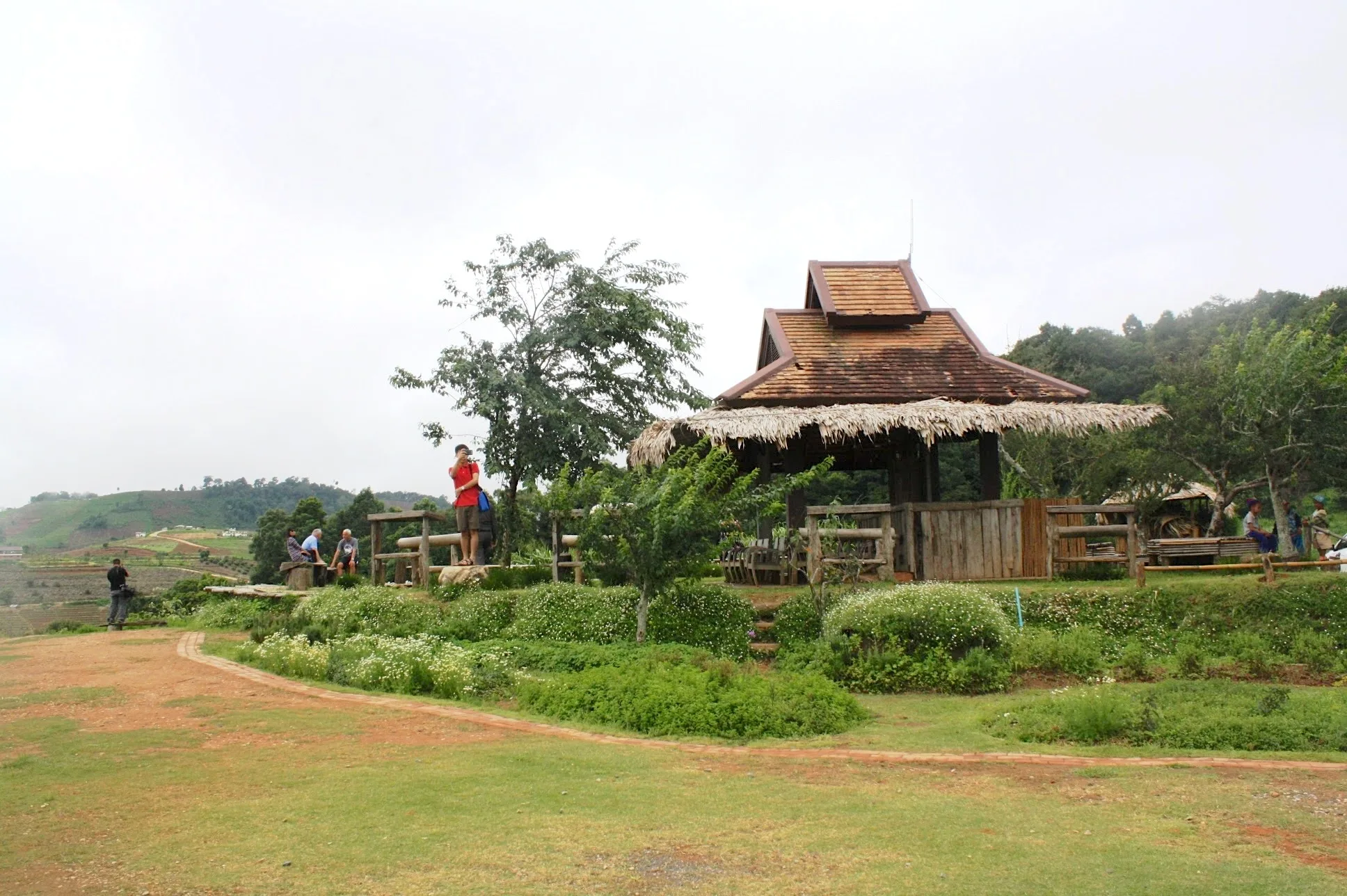
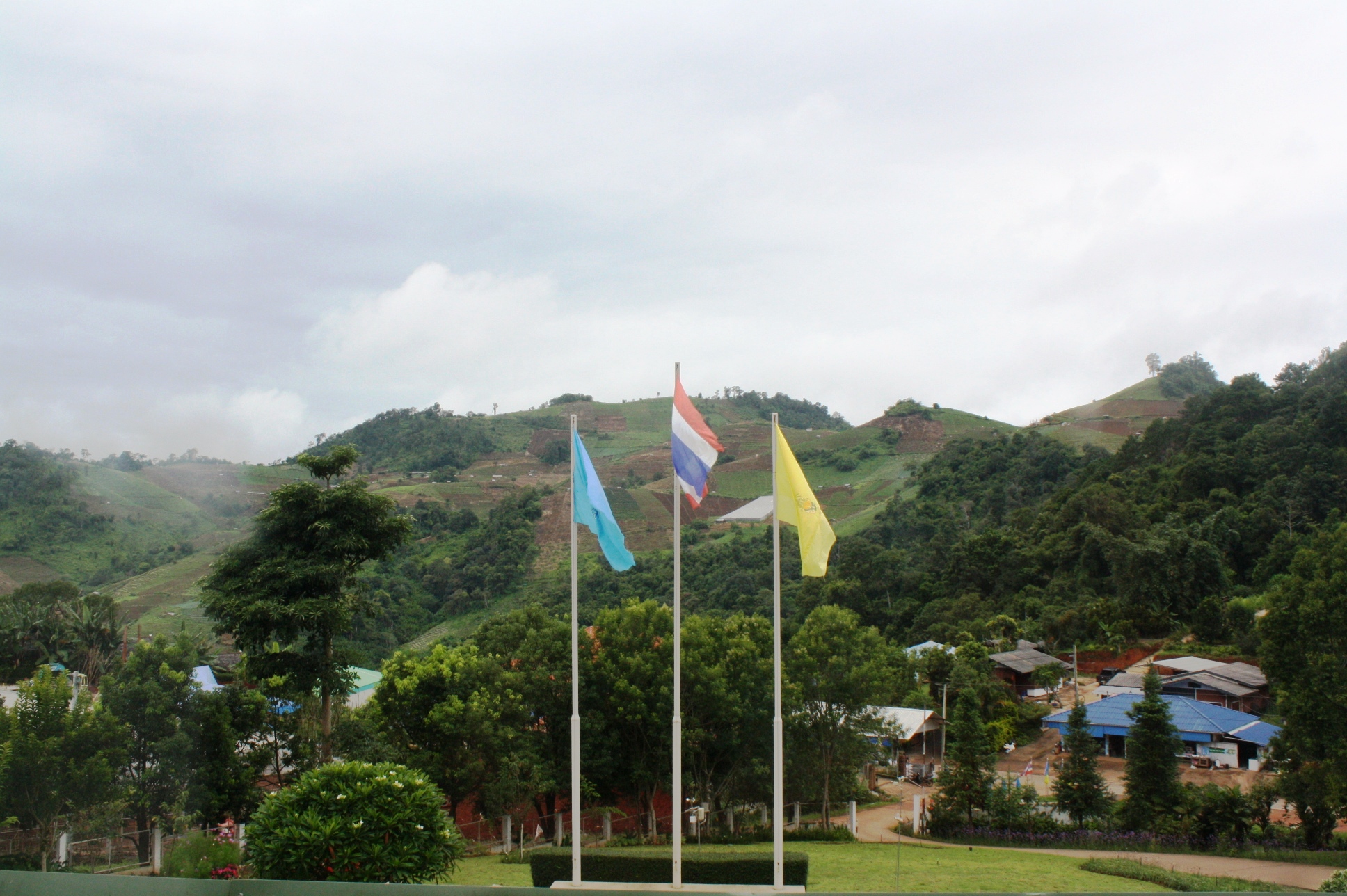
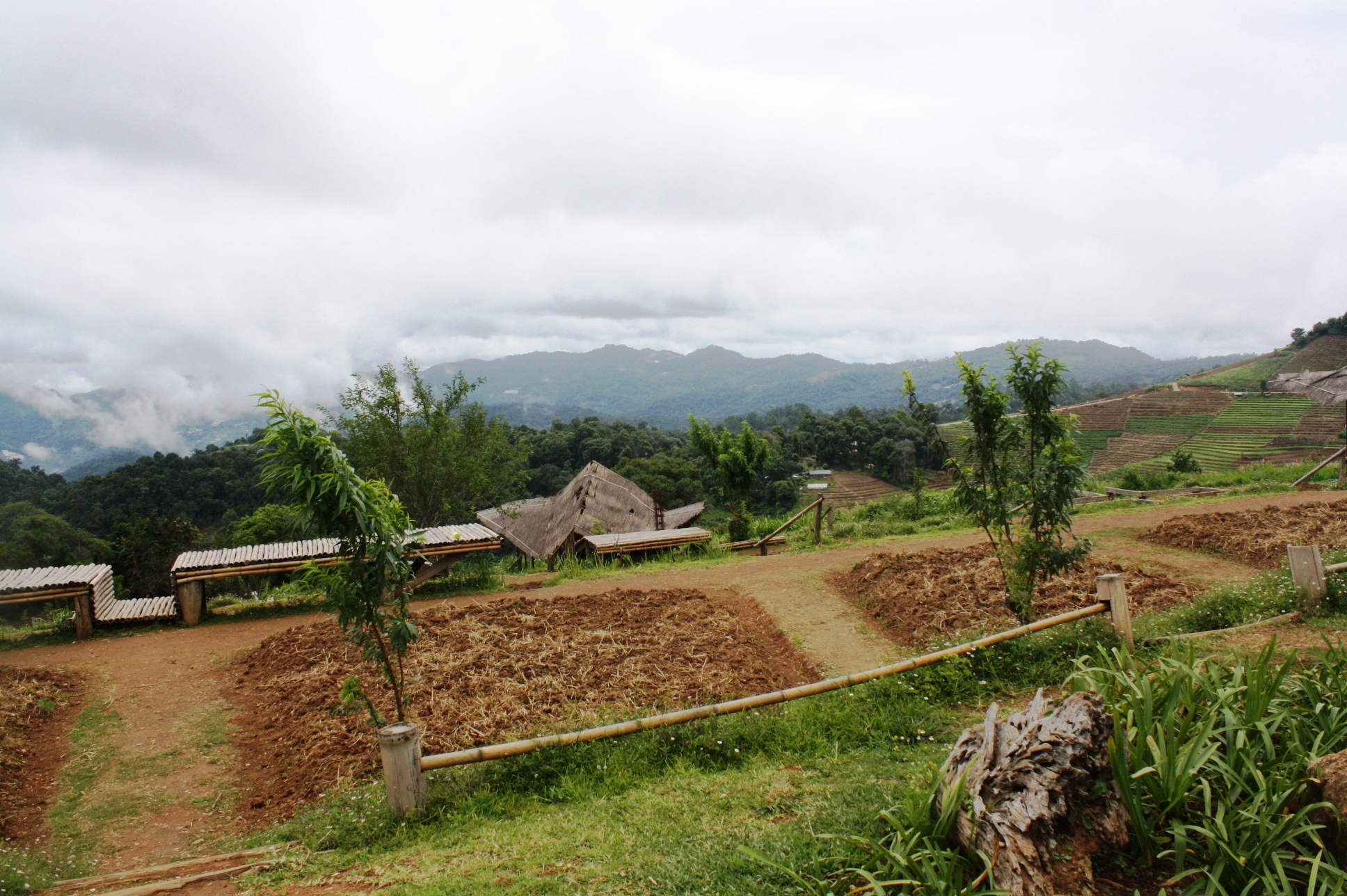
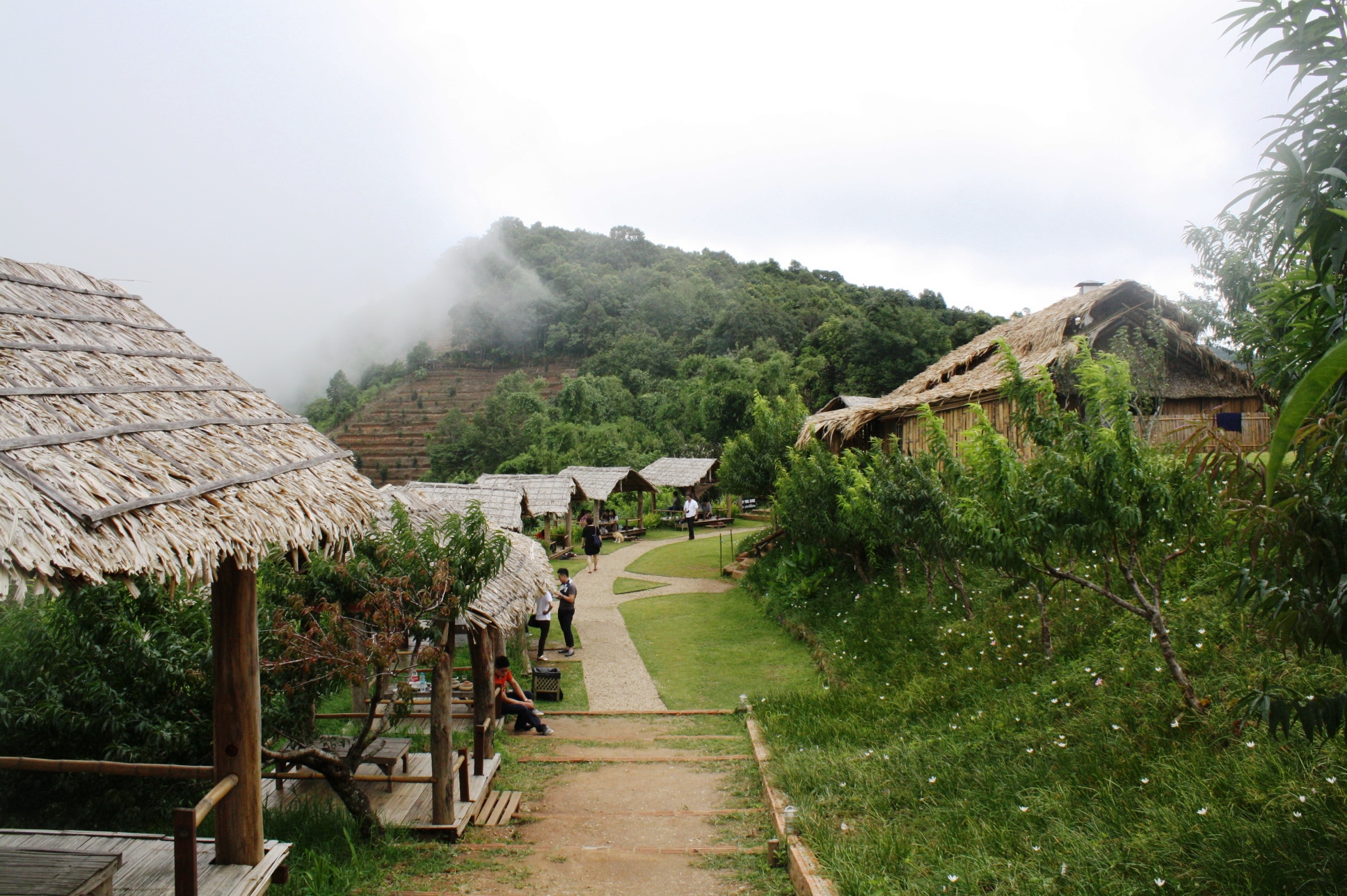
When I first arrived at Doi Mon Cham, Thailand, I felt as though I was standing on top of the world. Thick clouds drifted across the mountains, covering the valleys below in a blanket of white. At times, nothing else was visible except the mist. Then, as the clouds slowly parted, another side of the mountain emerged. Neat vegetable plots, winding roads, and scattered homes appeared as if someone had lifted a curtain.
The scenery alone was breathtaking. Yet what stayed with me long after the trip was not the view. It was the remarkable story behind it.
Thanks to the Thailand Convention & Exhibition Bureau (TCEB), I had the opportunity to visit Doi Mon Cham and the Nong Hoi Royal Development Center in Mae Rim District. Looking back, this experience became the highlight of my Chiang Mai journey because it showed me how a single vision can transform both landscapes and lives.
A Royal Vision That Changed the Highlands
Before I admired the flourishing farms, I first learned why the Royal Project Thailand exists.
The Royal Project Foundation began in 1969 under the initiative of His Majesty King Bhumibol Adulyadej. At that time, northern Thailand faced three major challenges. Forests were disappearing, poverty was widespread, and many communities depended on cultivating opium poppies for their livelihood.
Everything began to change after the King visited a hill-tribe village in Doi Pui. During that visit, he discovered that a particular variety of peach tree earned local farmers more income than opium. That simple observation sparked a powerful idea.
Instead of relying on illegal crops, communities could cultivate fruits, vegetables, flowers, and other high-value produce. As farmers earned sustainable incomes, they no longer needed to clear forests or grow opium. In turn, the mountains slowly recovered, and families gained better opportunities for the future.
It was a practical solution that addressed environmental, economic, and social problems all at once.
Walking Through Fields of Possibility
As we explored the Nong Hoi Royal Development Center, the vision became reality before our eyes.
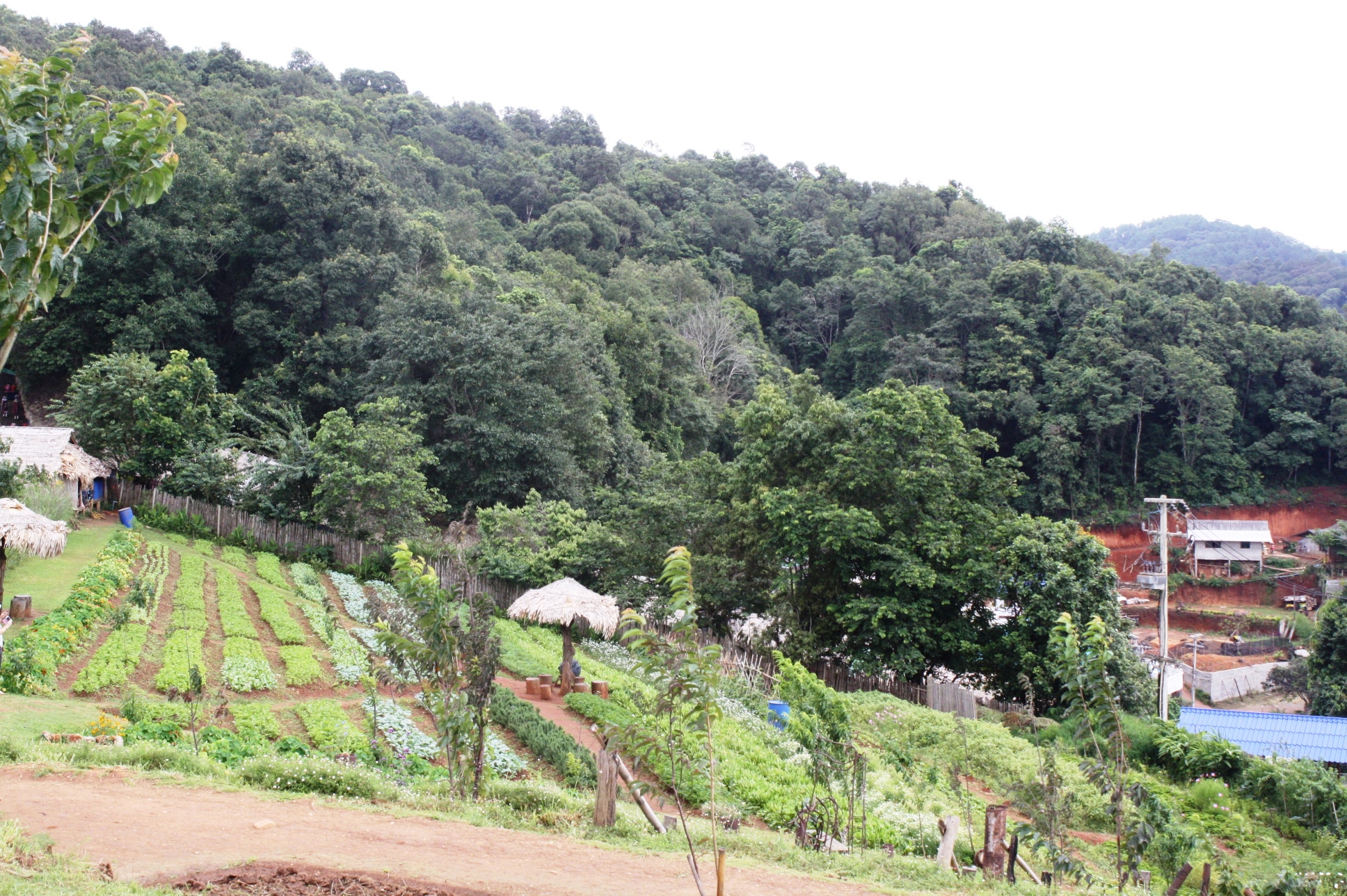
The mountain slopes were alive with carefully maintained plantations. Fresh vegetables, herbs, fruits, flowers, cereals, and beverage crops flourished in the cool climate. Every plot reflected years of research, dedication, and cooperation between farmers and agricultural experts.
Throughout our five-day familiarisation trip, our van was stocked with Royal Project products. Crispy fruit and vegetable snacks, herbal candies, cereal bars, herbal teas, and other locally made treats kept us happily supplied while travelling across northern Thailand.
More importantly, every product represented something bigger than a simple snack. Each purchase directly supported farming families who had embraced sustainable agriculture instead of destructive practices.
Today, Royal Project products can be found in supermarkets, grocery stores, restaurants, and retailers throughout Thailand, allowing consumers to support local communities with every purchase.
More Than Farming, A Community Transformed
The success of the Royal Project Thailand extends well beyond agriculture.
Over the years, the initiative has expanded into handicrafts, tourism, health services, and community education. What began as an agricultural programme has grown into a model for sustainable rural development.
Its achievements have also gained international recognition. In 1988, the project received the Ramon Magsaysay Award for International Understanding. It has also earned recognition from organisations such as the Colombo Plan Drug Advisory Program and the International Cooperation and Development Fund.
Because of its success, several countries have looked to the Royal Project as an example of how sustainable development can improve rural communities while protecting the environment.
A Meaningful Experience for Visitors
One aspect of the Royal Project surprised me.
Visitors are not limited to sightseeing. Instead, they can become part of the story.
Companies organising incentive trips, meetings, or conferences can include meaningful corporate social responsibility activities in their itineraries. Participants can help plant trees, harvest vegetables, and support local farming communities.
Meanwhile, smaller groups of up to 50 people can spend two or three days living with local families through community homestays. These experiences offer a rare opportunity to understand daily life in Thailand’s highlands while contributing to sustainable tourism.
Rather than simply taking photographs, visitors leave knowing they have made a small but meaningful contribution.
The Children Who Made Me Smile
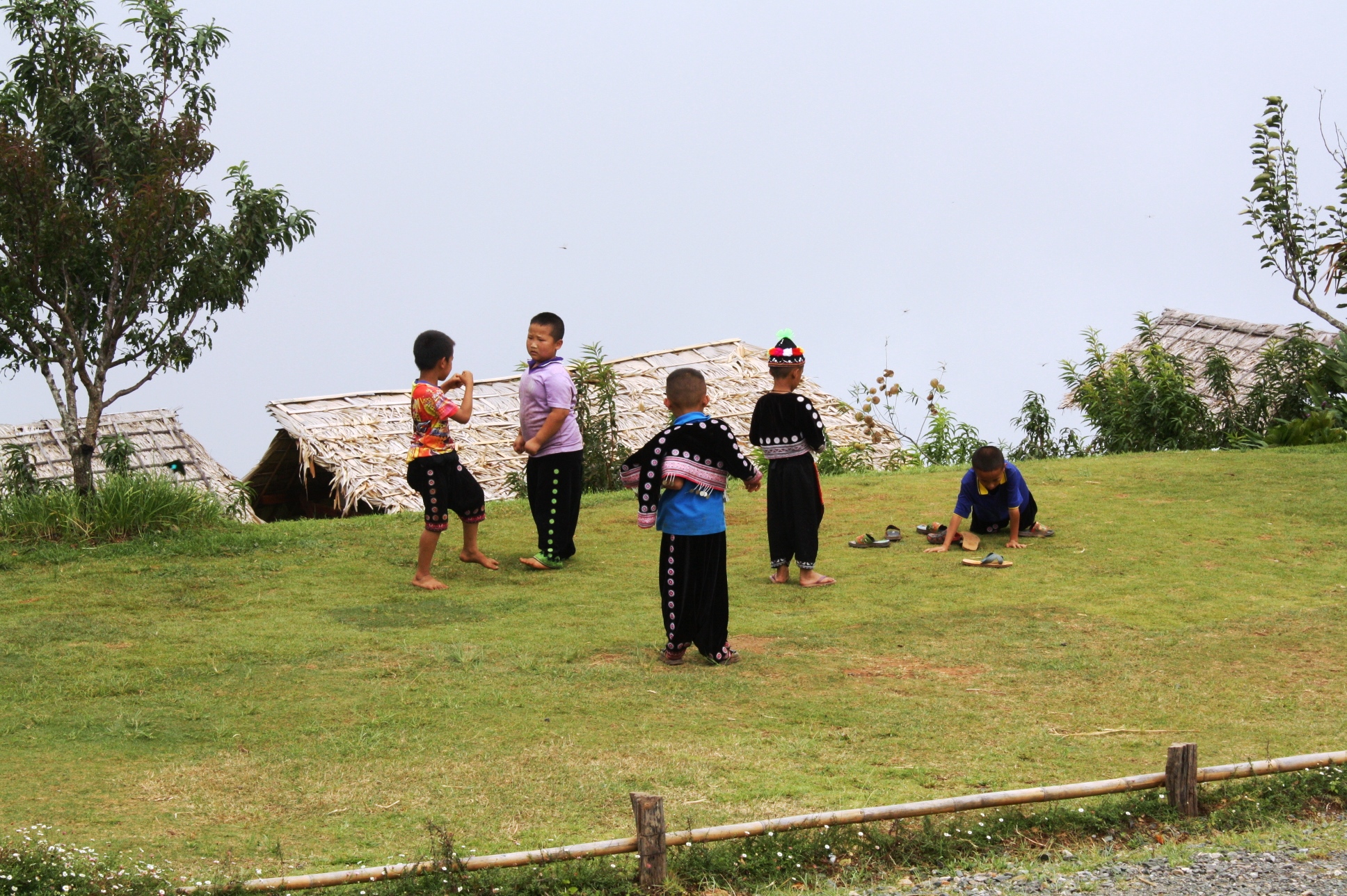
As our visit drew to a close, I found myself watching several hill-tribe children playing freely on the slopes of Doi Mon Cham.
Their laughter echoed across the cool mountain air. They chased one another without a care, surrounded by forests that were once under threat and farms that now provide stable livelihoods for their families.
In that quiet moment, I realised that the Royal Project is not simply about growing vegetables or preserving forests. It is about giving communities hope, dignity, and opportunities that can last for generations.
The spectacular mountain views may first capture a visitor’s attention. However, it is the people and their inspiring story that truly leave a lasting impression.
As I left Chiang Mai, I carried home more than photographs of mist-covered mountains. I brought with me a renewed belief that thoughtful leadership, sustainable farming, and community cooperation can transform even the most difficult challenges into stories of hope.
That, more than the scenery itself, is why my first visit to the Royal Project Thailand remains one of the most unforgettable experiences of my travels.

Leave a Reply