
Tibiao came into view as we crossed from Iloilo into Antique, the road winding through Panay Island’s western countryside. Rice fields stretched on either side, glistening under the sun, their orderly rows giving way to clusters of coconut trees and thick bamboo groves. I knew my father’s roots lay somewhere in this province, but I had no clear picture, only a quiet sense that this place held something older than memory.
The journey from Iloilo had been long, passing through small towns drowsy in the afternoon heat. I knew at the back of my mind that my paternal grandmother’s family was from Tibiao itself, but never got the chance to learn this further. That knowledge reshaped everything: the riverbanks, the rustling leaves, even the dust on the road felt familiar, as if the land had been waiting to welcome me back all along.
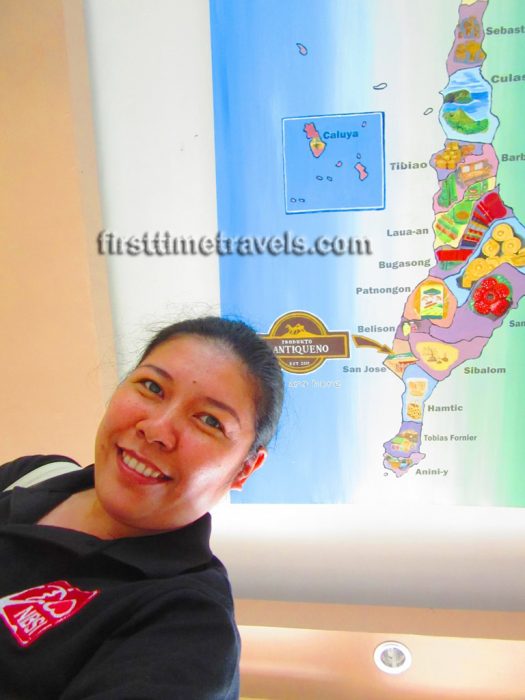
Origins of Antique
The first town to greet us in Antique was Hamtic. Local stories told us that the province’s name sprang from hantik, the Visayan word for the large, red ants that scurry through the region’s forests and fields. As we passed through Hamtic’s quiet streets, it became clear that both the town and the province carried echoes of that same root, each name shaped by the tiny, industrious creatures that have long called this land home.

In Hamtic, we passed by the Landmark of the First Malay Settlement, where stories of Datu Puti and his fellow datus still ripple through the air. According to legend, these Malay chieftains arrived on Panay’s shores long before the Philippines existed as a nation. They offered gifts to the Ati chieftain, leader of the island’s original inhabitants, and in return, the Ati granted them the fertile lowlands, retreating to the highlands themselves. This exchange, said to mark the founding of the Confederation of Madja-as, lives on through oral tradition. No written records remain, but generations have carried the tale with care.
From Hamtic, we drove to San Jose de Buenavista, Antique’s bustling yet easygoing capital. Though more commercial than the towns we’d passed through, it still held the unhurried rhythm of provincial life. We stopped for lunch, but the holiday lull of January 2 made finding an open restaurant a small adventure. After a brief rest, we pressed on, passing through Belison and the quiet towns that followed, each one drawing us deeper into the green embrace of the island’s western coast.
The Ruins in Patnongon
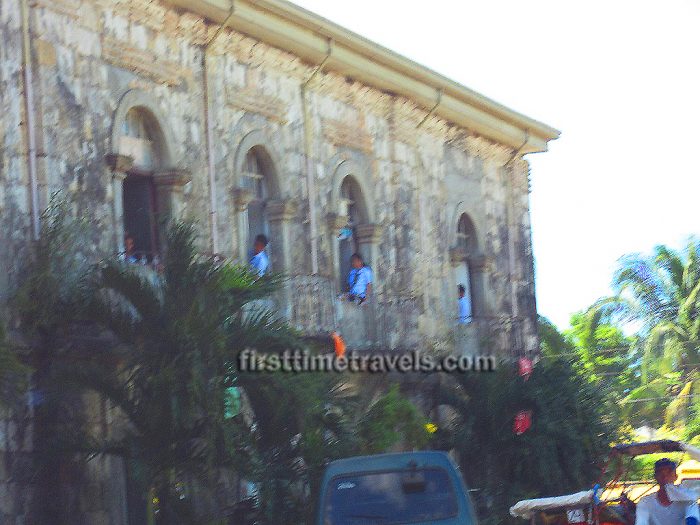
As we rolled into Patnongon, time seemed to slow around us. We passed weathered stone walls and crumbling archways, remnants of St. Augustine’s Convent and its adjoining church, both erected in 1879 and now quietly absorbed into the grounds of a local school. Though decades had worn their edges, the ruins still commanded attention: moss-kissed columns, fractured bell towers, and doorways that opened onto memory rather than rooms.
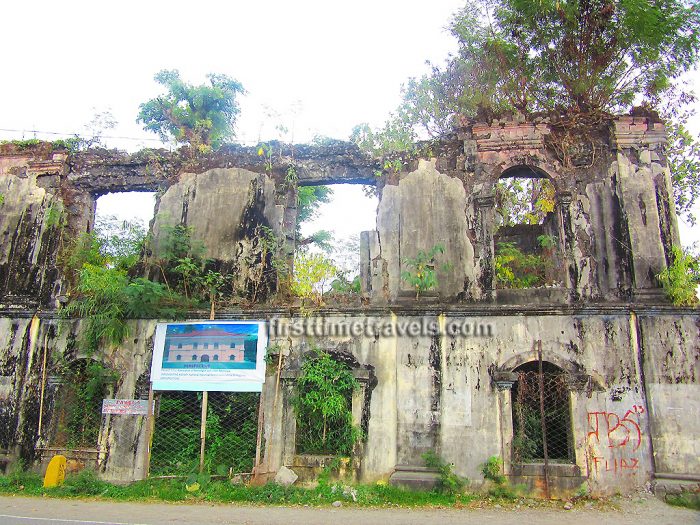
Just a short walk from the school stood the skeletal remains of Patnongon’s old municipal building, another casualty of World War II. Its hollow windows and fractured façade spoke of a past both proud and pained. Locals had begun talking about restoring it, a quiet but determined effort to stitch history back into the town’s daily life. For a moment, standing between these relics, we felt the weight and whisper of centuries pressing gently against the present.
We would have loved to linger in every town along the route: Bugasong with its misty ridges, Laua-an’s quiet charm, Barbaza’s hidden corners. But the afternoon light was already slanting low, urging us forward.
A Night in Tibiao
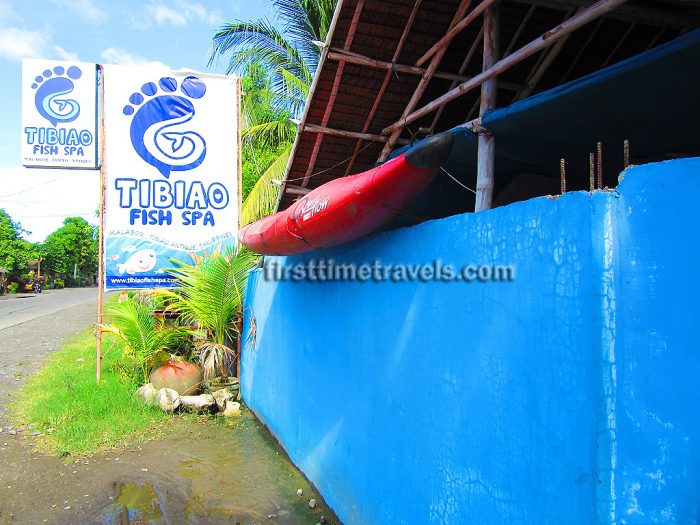
So we pressed on, windows down, breeze rushing in, until the bright, bold letters of TIBIAO blazed into view from the highway. A cheerful cluster of tourists posed beside the landmark, cameras flashing against the golden haze of late day. Just beyond it, the Tibiao Fish Spa rose into sight, its entrance playfully crowned by a giant kayak mounted on the wall, an invitation to unwind, quite literally, in nature’s embrace.

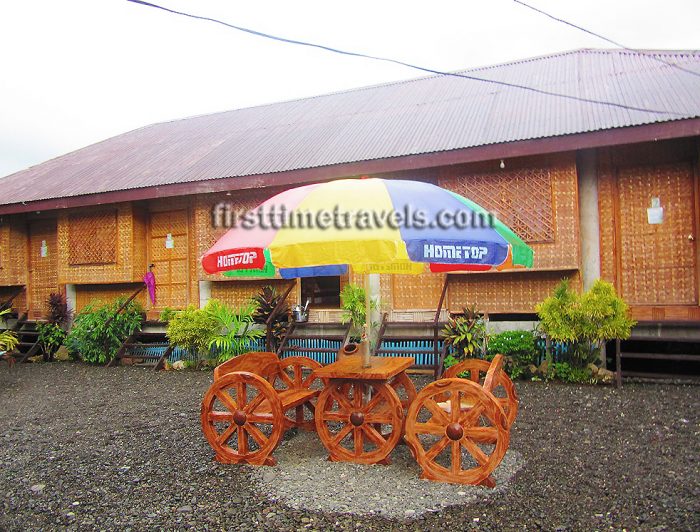
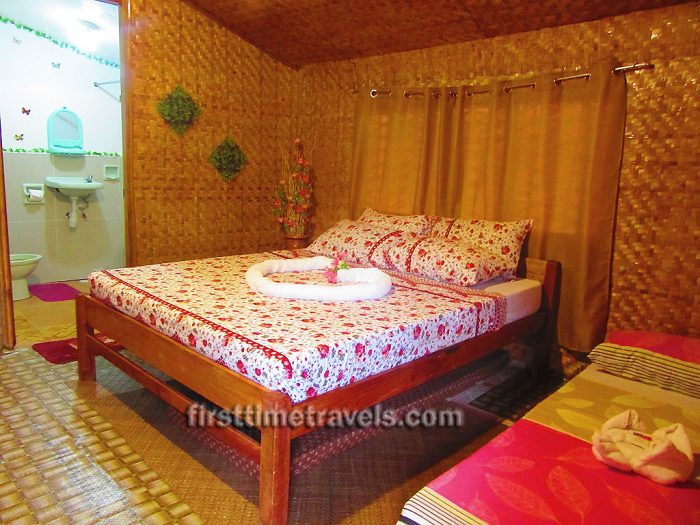
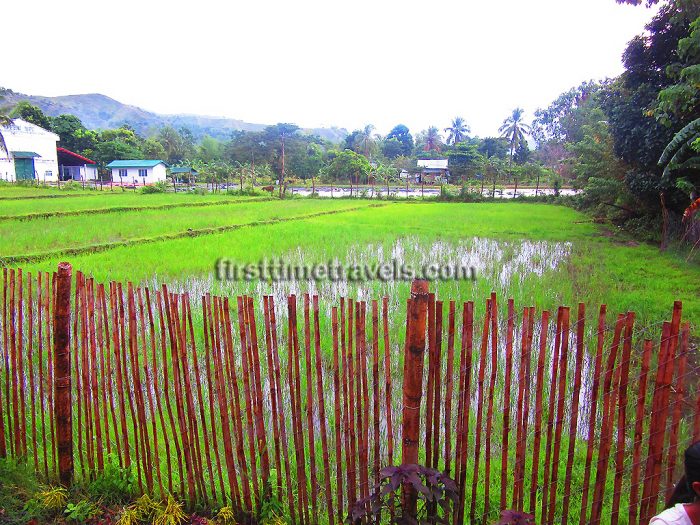
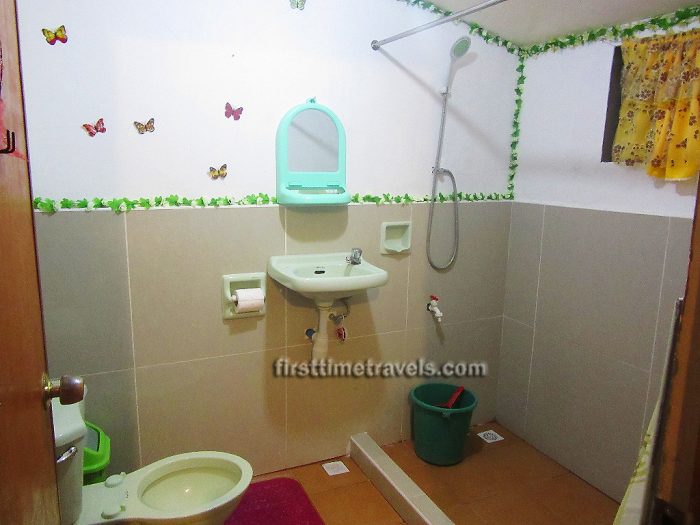
We checked into Kawa Inn, tucked inside the spa’s peaceful compound. The six-bedroom inn, owned by Julie Fate Calawag-Pineda and managed in close connection with her sister, Flord Calawag, the OIC of the Antique Province Tourism Office, welcomed us like family. Our room, the Banga Room (named after the local clay jar), stood on sturdy stilts like a traditional bahay kubo, crafted from native wood and bamboo. Outside, an endless sweep of rice fields glowed green under the fading sun, alive with the evening chorus of ducks waddling home, cows lowing softly, and frogs tuning up for nightfall. Inside, comfort met simplicity: air conditioning, a TV, a private bath, and thoughtful touches like hot water, instant coffee, fresh towels, and toiletries.
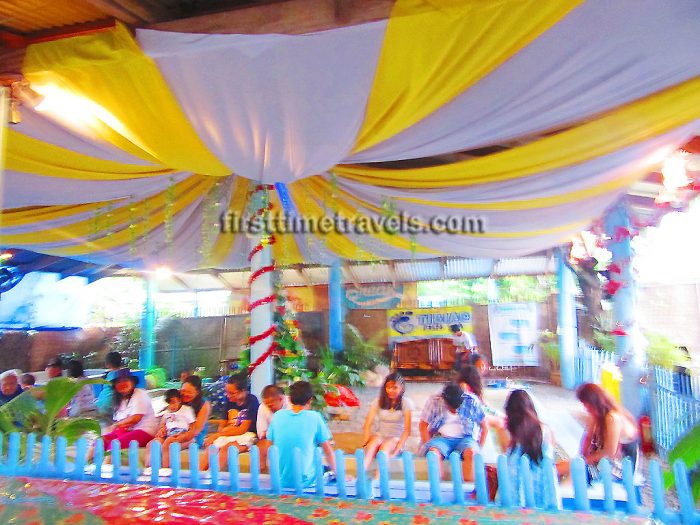
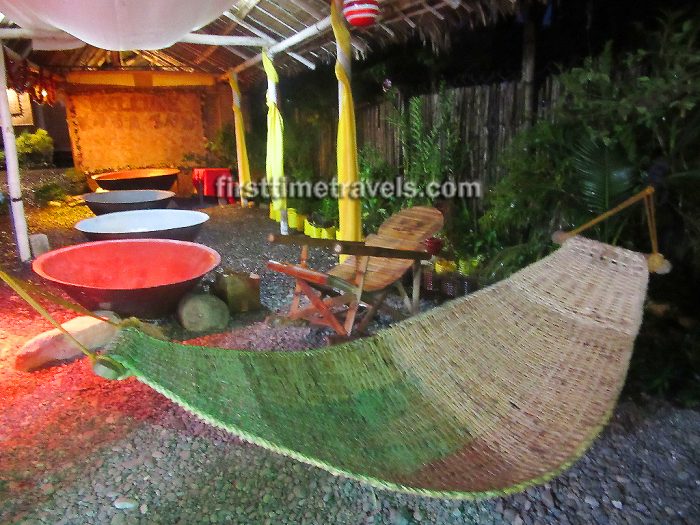
After stowing our bags, we stepped out into the open courtyard nestled between the inn and the fish spa. It’s a breezy, communal space where the day’s journey gently gave way to rest, stories, and the quiet magic of being exactly where we were meant to be.
Alawihas Hills
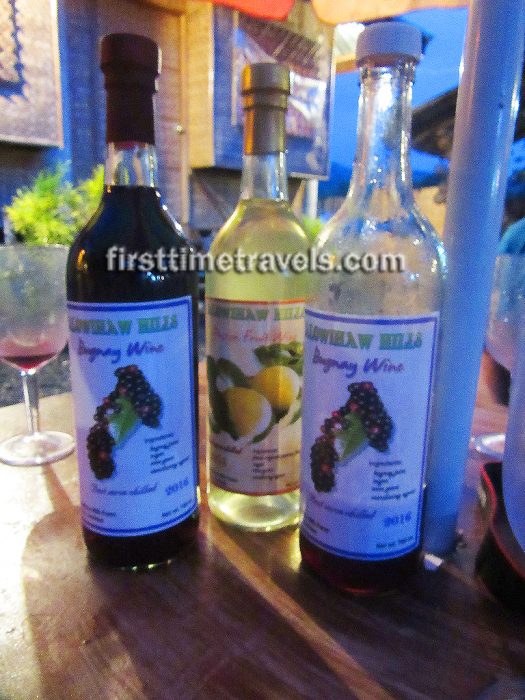
Flord’s eyes lit up as he described Tibiao’s hidden gems: waterfalls tucked into forest canyons, river trails begging to be explored, and community-led eco-adventures we’d have to return for. To give us a true taste of the place, he uncorked a bottle of deep ruby-red Bugnay wine from Alowihaw Hills, its aroma earthy and bright, like wild berries kissed by mountain air. One sip was all it took to understand why this homemade vintage had earned a loyal following. Enthusiastic and generous, Flord immediately offered to take us to meet the winemakers themselves, no small detour, but one that promised stories worth remembering.
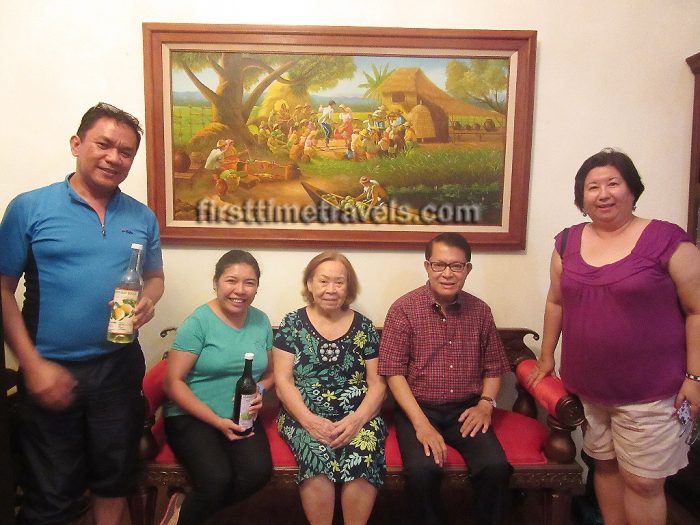
Night had already draped the hills in velvet darkness when we pulled up to the home of Dr. Miguel Labrague and his wife Leonor, the visionary couple behind Alowihaw Hills. Though they’d spent decades in the United States building careers in medicine, they’d returned to Tibiao with a dream: to craft wines rooted in the land of their ancestors. Over candlelight and laughter, they poured us glasses of their other creations: tangy Passion Fruit Wine and the bold, complex Bika-Bika Wine, made from native wild grapes. As we sipped, they shared tales of reinvention, resilience, and rediscovering home. Time slipped away in that warm, fragrant room, and when we finally said our goodbyes, we carried more than just the memory of fine wine. We carried the spirit of a town that keeps drawing its children back, one bottle, one story, at a time.
Mammamia Italian Restaurant
The night was still wide awake, and our stomachs were clamoring for something hearty. Flord led us to Mammamia Italian Restaurant, perched right along the highway with the sea just beyond its walls. Though clouds veiled the stars and darkness wrapped the shore, the rhythmic hush of waves reached us clearly, weaving a coastal soundtrack into our meal.
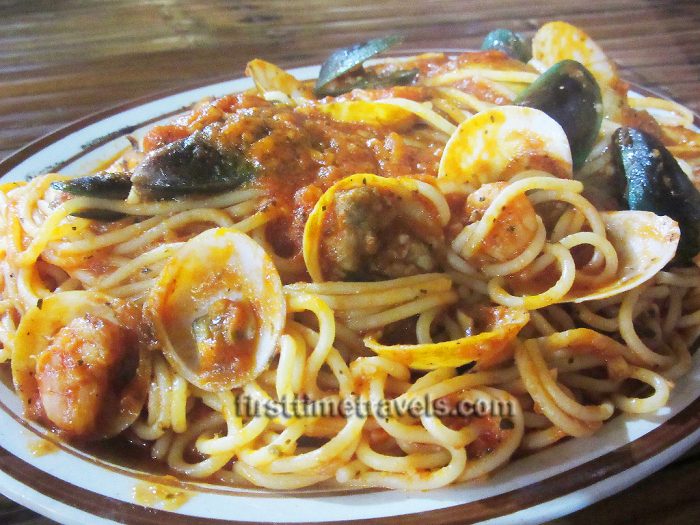
The restaurant prides itself on handcrafted, wood-fired pizzas made the old-school way, so we ordered one bubbling with cheese and herbs, plus a generous plate of seafood pasta tangled with fresh catch from nearby waters. With every bite, the flavors felt like a cheerful collision of Italy and the Visayan coast.

Time for Some Fish Spa
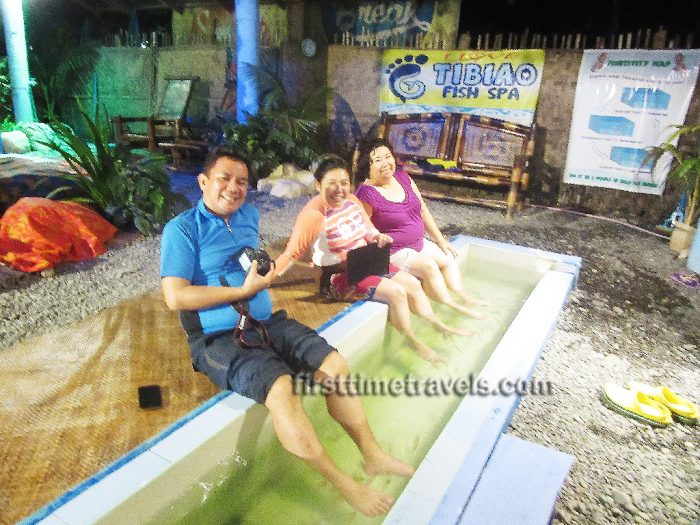
Full and content, we returned to Tibiao Fish Spa for some well-earned relaxation. We dipped our feet into a shallow pool teeming with tiny, silvery Therafish, Flord’s brainchild from his student days at UP Visayas Miagao Campus. The first few seconds brought bursts of laughter as the fish swarmed our toes, their gentle nibbles more ticklish than tender. As they went to work exfoliating away dead skin, we leaned back, phones in hand, tapping into the resort’s Wi-Fi to share snapshots and stories from the road while the fish did their quiet, scaly therapy beneath us.
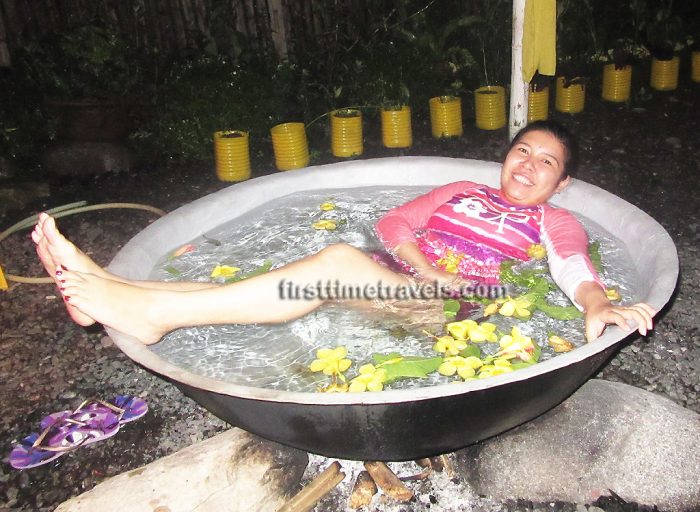
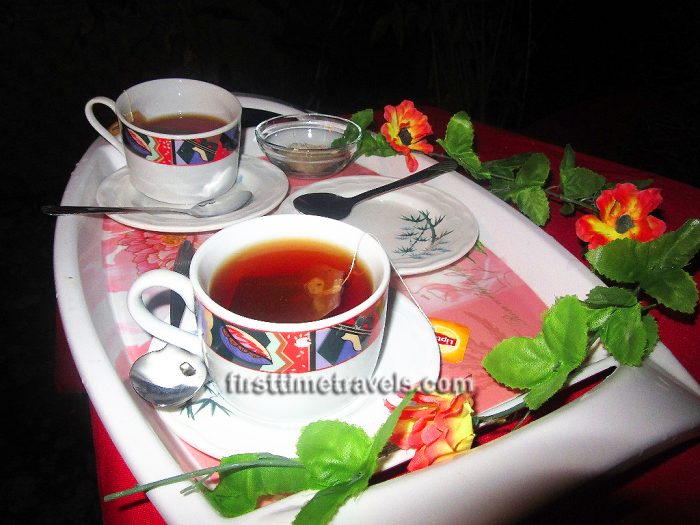
Before calling it a night, we stepped into a kawa, one of the massive, traditional cauldrons once used across Antique to boil sugarcane juice into rich, unrefined muscovado. Now repurposed for wellness tourism, these iron vats held warm, wood-fired water that soothed muscles and minds alike. Steam curled around us as we sank into the amber glow of the bath, tension melting with every ripple. Afterward, staff handed us steaming cups of local herbal tea, the perfect coda to an evening steeped in warmth and wonder.
We turned in early, hearts full and bodies relaxed, already dreaming of the next day’s journey to Malalison Island. That night in Tibiao didn’t just offer rest, it offered belonging. And as I drifted off, I knew I’d return, not just as a traveler, but as someone finally coming home to the land of my ancestors.
Tibiao Fish Spa and Kawa Inn Information and Rates
Couple Room
- Aircon – Php1,600 for two with breakfast; Php1,300 for two without breakfast
- Fan – Php 1,400 for two with breakfast; Php1,100 for two without breakfast
Family Fan Room
- 2 persons – Php 1,200
- 4 persons – Php 1,600
- 8 persons – Php 3,200
Aircon Family Room
- 4 persons – Php 2,200
- 8 persons – Php 4,400

Antiqueno meals
- Breakfast-P150/person
- Lunch-P200/person
- Dinner-P200/person
Therafish Massage Packages
- reFrISH Me (a half-hour fish spa with 5-min foot massage) – Php 119
- Massage Me (a half-hour foot or half-body massage) – Php 199
- Rejuvenate Me (reFrISH Me + half-hour upper-body massage) – Php 249
- Enhance me (reFrISH Me + half-hour foot massage) – Php 249
- Relax me (one-hour full-body therapeutic massage) – Php 349
Kawa – range from Php 300 for 30-minute hot bath experience.
Contact:
Tibiao-Barbaza Road, Purok 12, Brgy. Malabor, Tibiao, Antique, Philippines
FB messenger: @tibiaofishspa
Mobile: +63 919 813 9893 | +63 917 450 3121
fate@katahum.com
Exchange rate at this time of writing is USD1=Php49.65. This story is part of my Road Trip to South Iloilo to Antique.

Leave a Reply