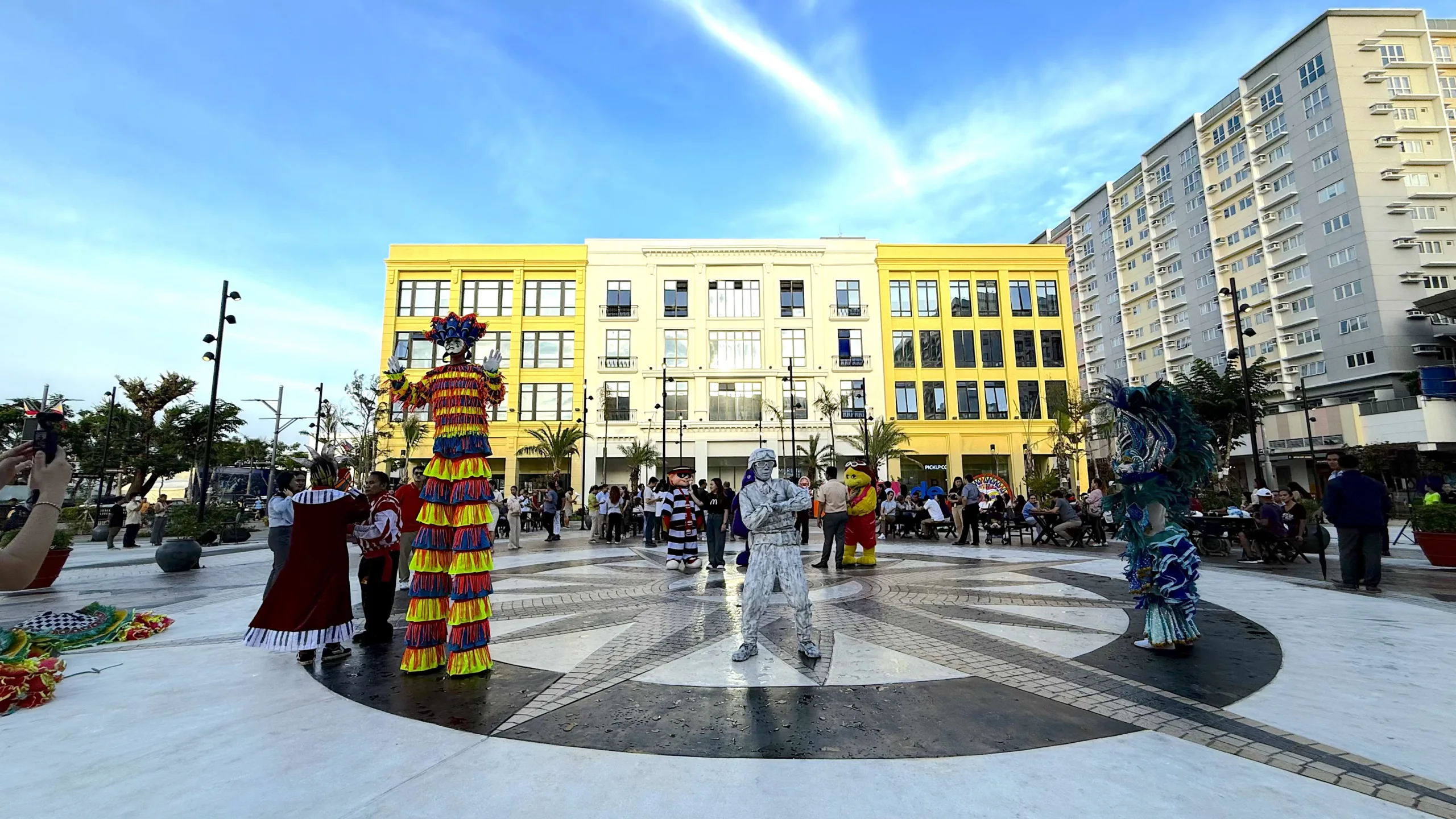
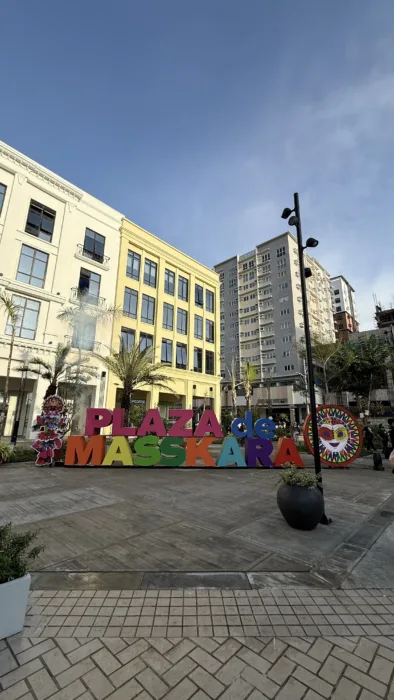
Plaza de Masskara at The Upper East in Bacolod City is beginning to take shape as a new public square that will soon bring together the city’s culture, community life, and festive spirit in one open space. Even in its early stage, the 4,100-square-meter plaza already hints at the kind of everyday moments it is designed to hold. Imagine unhurried afternoons, casual gatherings, and celebrations that spill into open air under the Negrense sky.
There is a quiet anticipation in standing on ground that is not yet fully finished, but already speaks of what it wants to become. Around me, the space felt like a pause before a performance begins, when the stage is set but the crowd has not yet arrived. Soon, this will no longer be an open square waiting for definition. It will be a living part of Bacolod’s urban rhythm.
Plaza de Masskara and the Year-Round Celebration of Bacolod’s Festival Identity
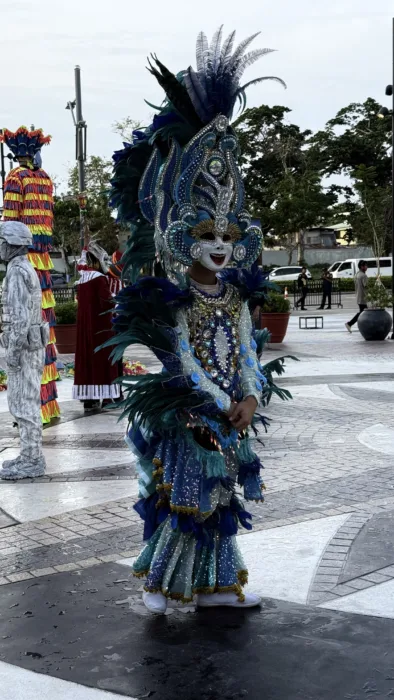
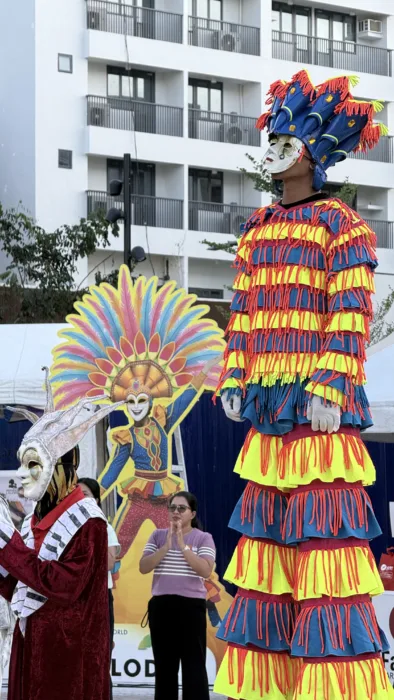
The MassKara Festival has always belonged to Bacolod’s streets. Bright masks, smiling dancers, and rhythmic music turn the city into a moving celebration of resilience and joy every October. But festivals, no matter how vibrant, are fleeting.
Plaza de Masskara is envisioned as a place where that spirit does not disappear when the last drumbeat fades. Instead, it lingers throughout the year in a space designed for gathering, resting, and reconnecting with the city’s identity.
Megaworld First Vice President Harold C. Geronimo echoed that intention when he shared: “Every city or town in our country has its own plaza. Here in The Upper East, we are curating another open park for every Bacolodnon and Negrense to enjoy, not just for relaxation but also for everyone to experience local arts, culture and heritage of the city and the entire province.”
It is a vision that feels grounded in something familiar to Filipinos: the plaza as the heart of public life, where culture is not displayed behind glass but lived in real time.
A Converging Point Designed as an Open, Living Space
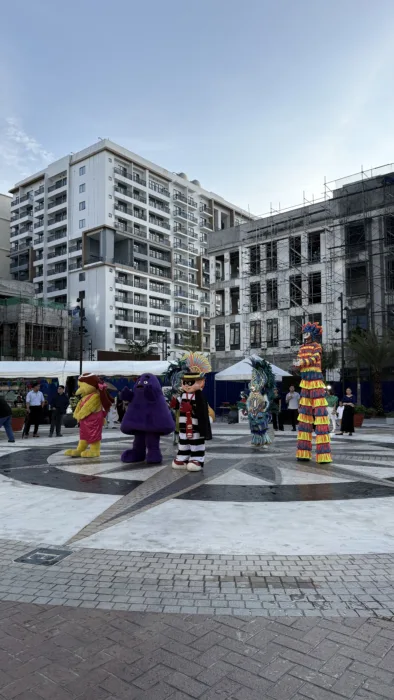
What stands out immediately about Plaza de Masskara is its openness. There is no sense of enclosure, no visual heaviness. Instead, the space unfolds gently, allowing the surrounding township of The Upper East to remain visible and connected.
Across the plaza, we saw some young palm trees already planted. At this stage, they are slender and unassuming, but their presence already suggests what time will soon complete. In a few years, one can expect them to grow into soft, shaded markers of place, subtly changing how people move through the square.
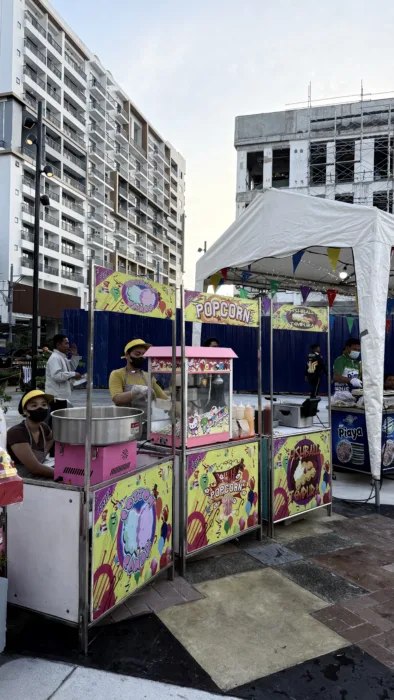
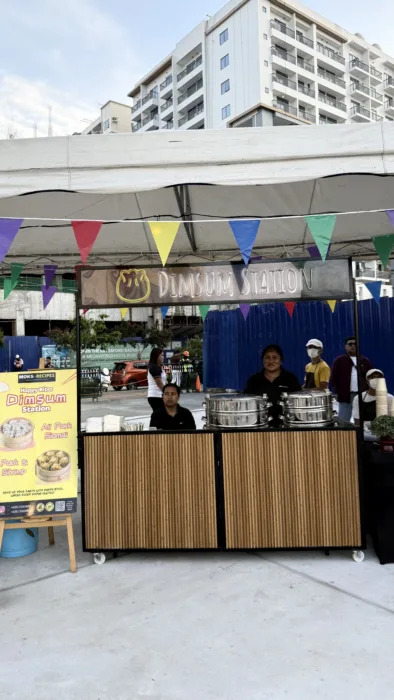
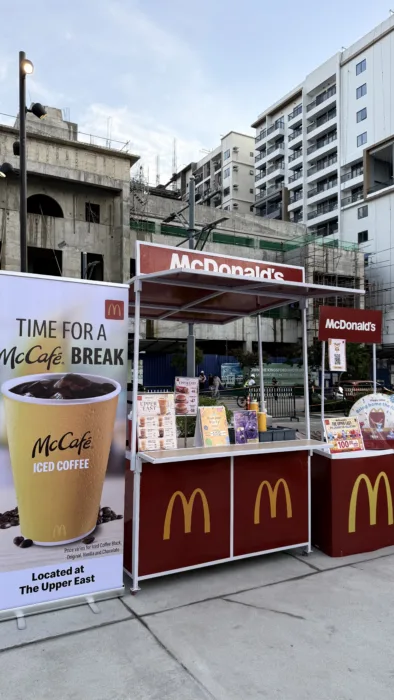
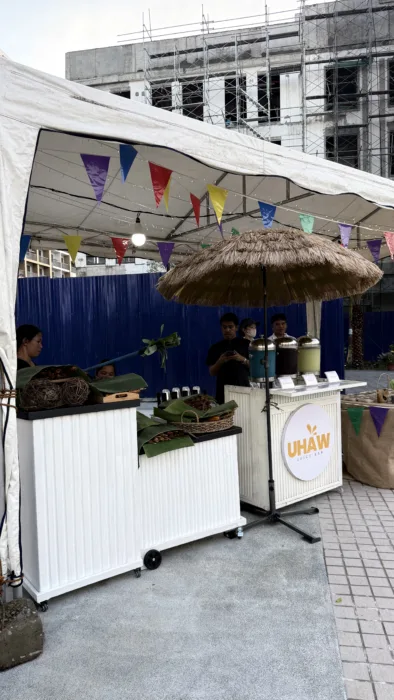
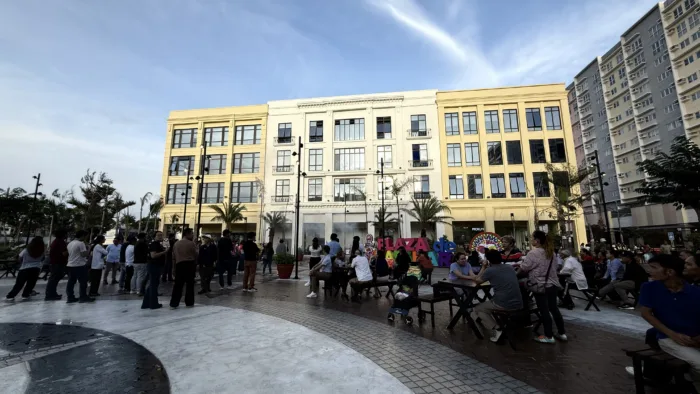
During the sneak preview for invited guests, picnic tables, benches, and scattered food stalls. These were not permanent fixtures temporarily filled the outer portion of the plaza. But they offered something more valuable in the moment: a glimpse of possibility. People naturally drifted toward the tables, sat without hesitation, and fell into easy conversation. It felt instinctive, like the plaza already understood its purpose.
Soon, people will find public comfort facilities, including restrooms designed for accessibility, to complete a practical foundation of a true public square.
Plaza de Masskara Weaves Art, Symbolism, and Interaction
Rather than relying on scale alone, Plaza de Masskara builds its identity through details that invite closer attention.
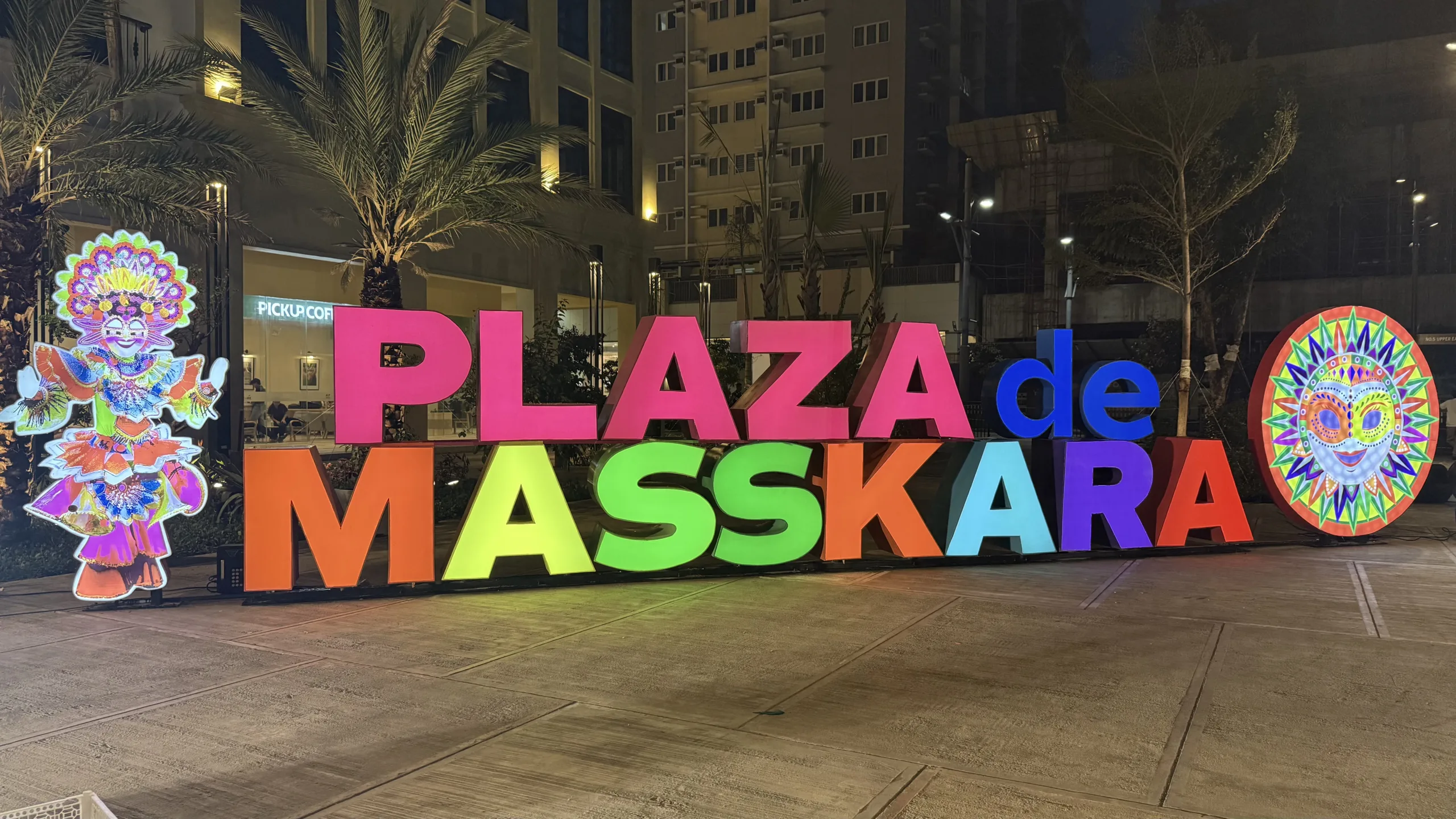
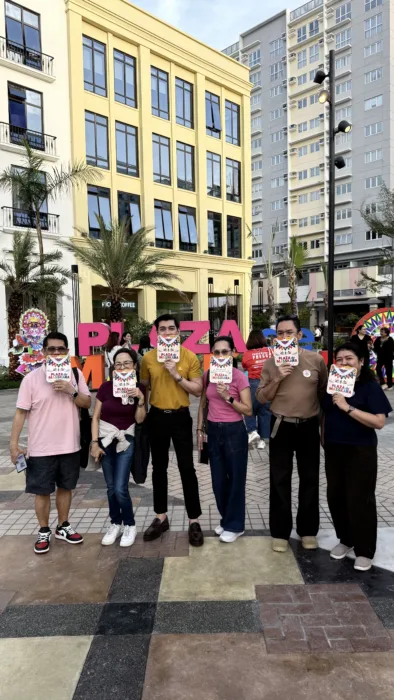
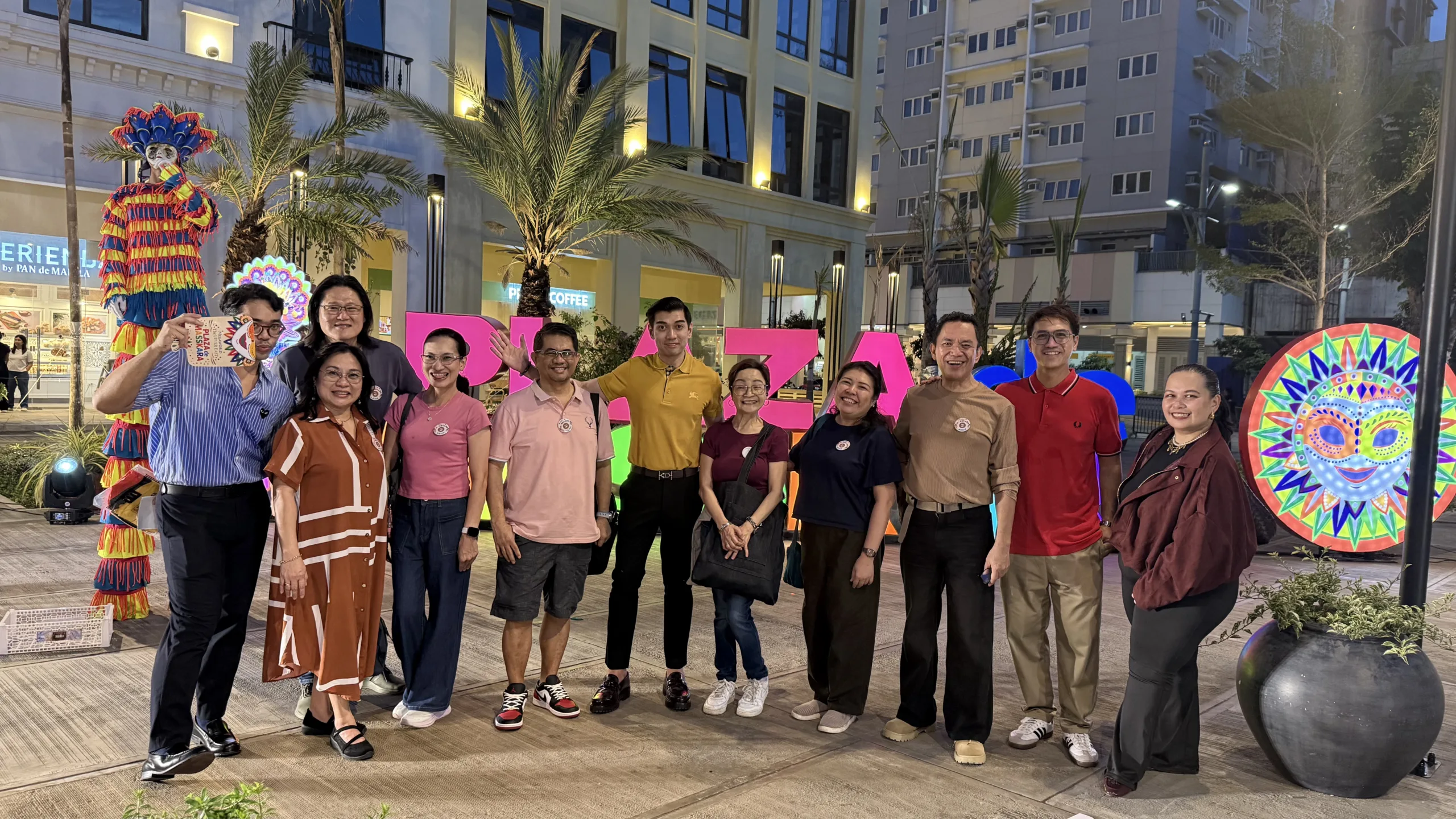
At one end of the plaza, a bold installation spelling out its name carries visual references to Bacolod’s MassKara Festival. One can imagine it to become one of the most photographed spots in the area, not because it demands attention, but because it naturally draws it.
Nearby, the 16-foot Reina de Masskara sculpture will soon rise on the podium façade of The Kingsford Hotel. Once completed, it will serve as a defining landmark, reinforcing the plaza’s connection to Bacolod’s most iconic cultural celebration.
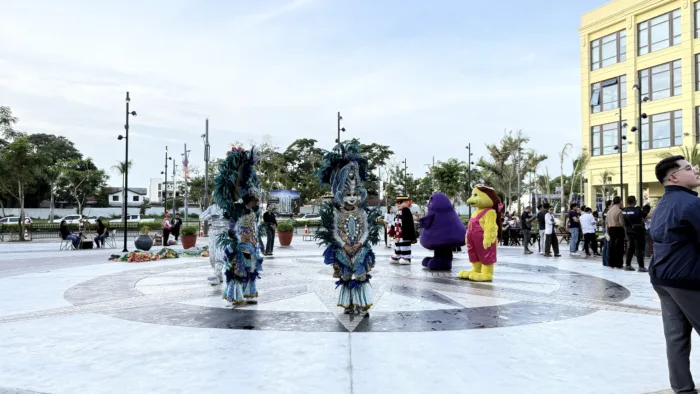
At the center of the square, a compass design embedded in patterned tiles adds another layer of meaning, subtly referencing the “Upper East” identity of the township. It is the kind of detail that rewards those who pause long enough to notice.
Then there are the oversized chessboards, complete with large movable pieces, which introduce a sense of play into the landscape. They suggest that this will not only be a place to pass through, but a place to stay, observe, and participate.
A Stage for Everyday Life and Celebration
If there is one thing public squares are meant to do, it is to hold life in all its forms.
Plaza de Masskara design has that flexibility in mind. Bacolodnons will soon witness here many cultural performances, seasonal events, weekend markets, and celebrations linked to both the MassKara Festival and Bacolod Chicken Inasal Festival. On some days, it will feel festive and animated. On others, it will simply be a quiet open space where the city exhales.
Its location within The Upper East places it at the intersection of residences, offices, retail spaces, and hospitality developments, including the soon-to-open Kingsford Hotel. This makes it less of a destination and more of a natural meeting point, woven into the daily movement of the district.

Plaza de Masskara Reflects a Familiar Idea, Reimagined for a Growing City
As Bacolod continues to grow into a more dynamic regional city, spaces like Plaza de Masskara represent a familiar idea adapted for a changing urban landscape. The plaza is not trying to reinvent what a public square is. Instead, it is returning to something older and more enduring: a shared space where people gather without needing a reason.
There is something reassuring about that simplicity. Amid new buildings and expanding developments, the plaza offers something elemental. Open air. Shared ground. A place where culture is not scheduled, but simply happens.
When fully completed, Plaza de Masskara will likely be seen in many ways: as a landmark, a gathering space, a cultural venue, and a daily retreat. But its most important role may be the most basic one. It will be a place where Bacolodnons can simply be.
Our Responsibility of Shared Space
Public spaces are shaped not only by design, but by behavior. The way people treat them determines what they become over time.
As Plaza de Masskara moves toward full completion, it offers Bacolod a new shared space to enjoy, celebrate, and take pride in. It also invites a shared responsibility to care for it.
Let us keep Plaza de Masskara vibrant, welcoming, clean, and orderly. In doing so, the plaza becomes more than a development within The Upper East. It becomes part of Bacolod’s living identity, shaped as much by its people as by its architecture.
Leave a Reply