
In a city where smiles bloom as effortlessly as sugarcane in the sun, November 2025 brought something even sweeter to Bacolod: the first-ever Terra Madre Asia & Pacific. It is a groundbreaking convergence of food, culture, and consciousness. Held at the verdant heart of Negros Occidental, the Capitol Park and Lagoon, this historic gathering didn’t just draw crowds; it summoned stories. Stories of grandmothers grinding heirloom rice in Ifugao, of Korean mothers fermenting kimchi in earthen jars, of Indonesian fisherfolk preserving recipes with the rhythm of the tides. All these voices met in Bacolod, not merely to cook, but to connect.
For my mother and me, it has become a cherished November tradition to visit the Negros Island Organic Farmers’ Festival. But this year, wrapped in the golden embrace of Terra Madre, it transformed into something far grander, a living archive of global food wisdom, rooted in local soil yet resonating across continents.
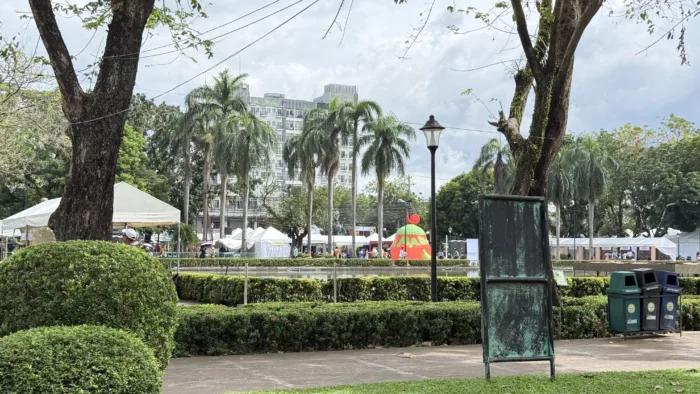
The Terra Madre Sun Rises Over Capitol Lagoon
The sun didn’t just shine on me on a November day; it curated. Its rays spotlighted every corner of the Capitol Park and Lagoon, turning palm fronds into stage lights and food stalls into portals of flavor. Bacolod, already famed for its MassKara joy, now radiated the quiet pride of a city chosen to host Terra Madre Asia & Pacific, Slow Food’s most ambitious regional gathering to date.
From November 19 to 23, 2025, this historic event wove together food communities from across the Asia-Pacific. From Taiwanese mountain farmers, Filipino heirloom rice keepers, Japanese fermentation masters, and Indigenous guardians of seed diversity, you name it. Co-hosted by the City and Provincial Governments of Negros Occidental, national agencies like the Department of Tourism and Agriculture, and visionary leaders, Terra Madre became more than a festival. It was a declaration: food is memory, resistance, and hope.
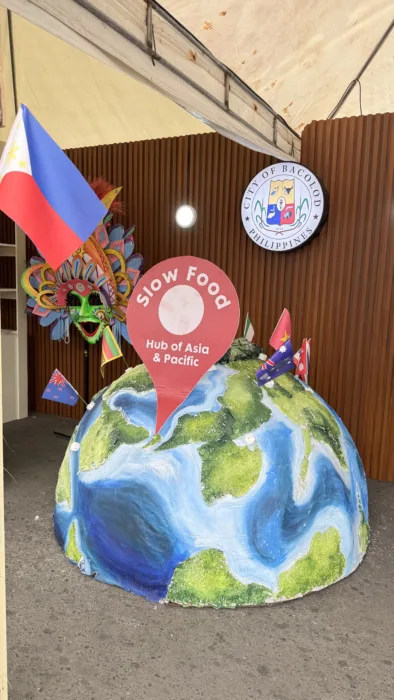
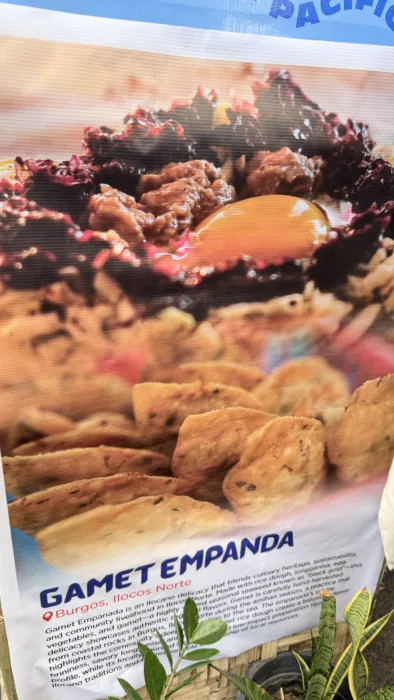
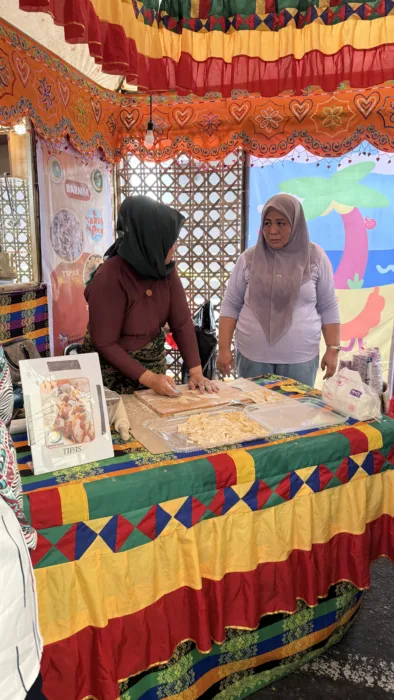
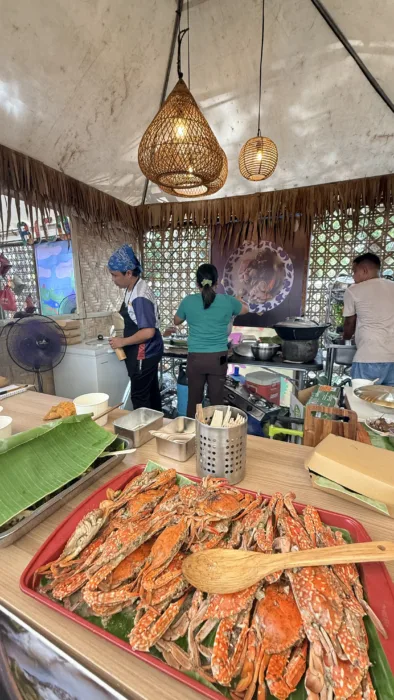
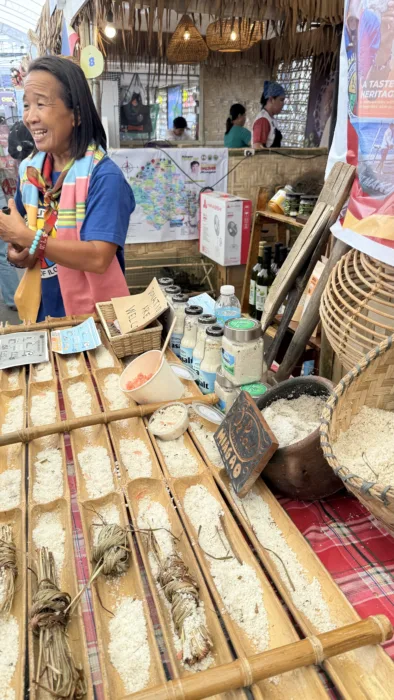
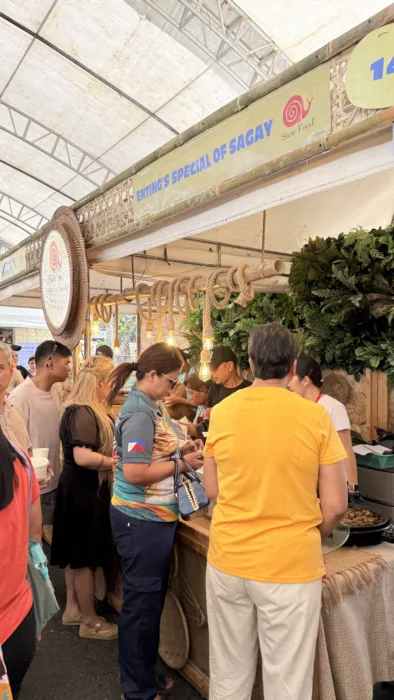
The Rush for Roots: A Sold-Out Legacy
We arrived past noon, stomachs rumbling and expectations high. But Terra Madre had already worked its magic. Queues snaked around stalls like vines, and by the time we reached the famed Pampanga sisig vendor, only the sizzle remained. The same went for Ilocano empanadas, and the delicate pastries from a Japanese booth shaded by paper lanterns.
“Sold out,” became the phrase of the day—not a disappointment, but a testament. Terra Madre wasn’t just attended; it was devoured. Pre-orders had flown by sunrise, and by lunchtime, the scarcity itself spoke volumes: people were hungry, not just for food, but for authenticity, for stories behind every bite.
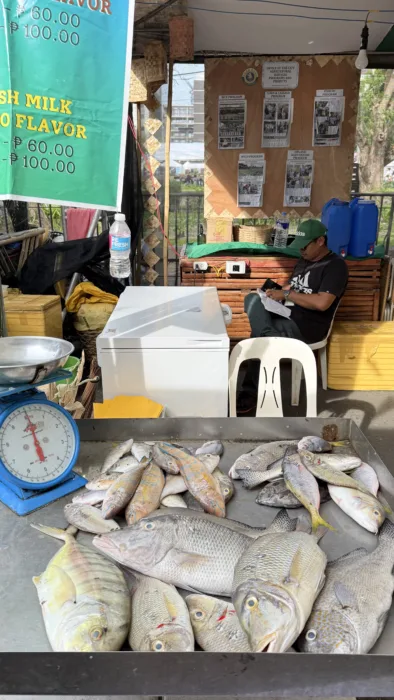
Still, Terra Madre rewards the curious. We wandered toward the 26 Herb Garden and Casa Formaggio stalls, trusted local names that sated our empty stomachs. Over lunch, we watched elders devour their food finds with wide-eyed youth, chefs smile amid the fire and hot weather, and farmers beam as strangers praised their harvests. This was food not as commodity—but as communion.
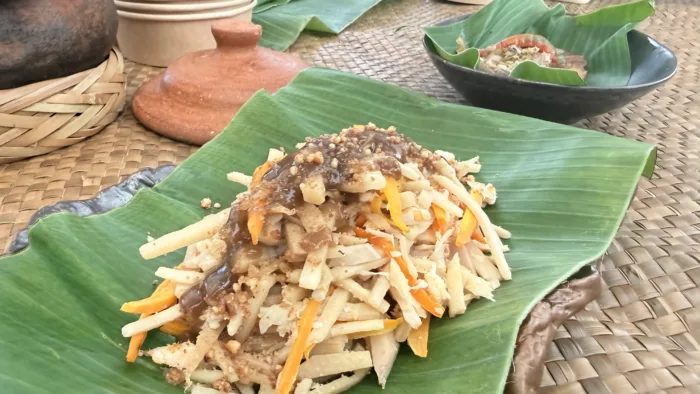
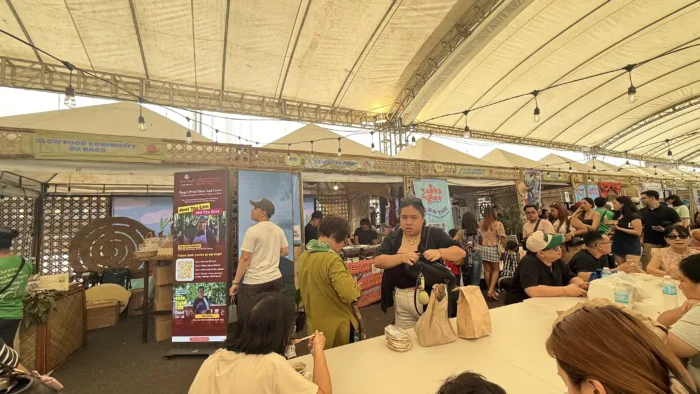
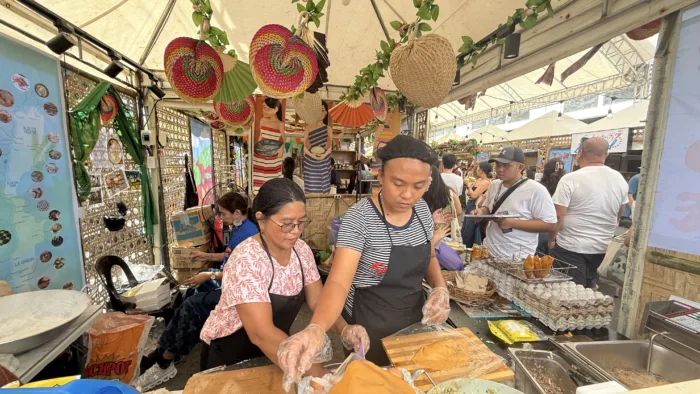
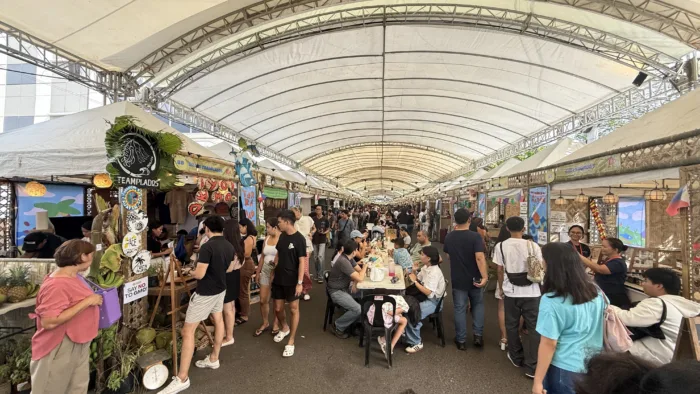
A Mother’s Pilgrimage: From Soil to Shelf
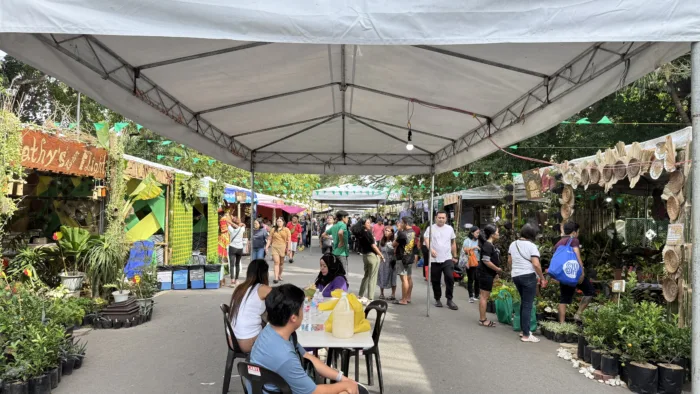
For my mother, the Negros Island Organic Farmers’ Festival is a pilgrimage. Almost every year, as we had skipped certain years, she walks each aisle like a monk through a sacred grove, pausing to smell chilis, examine vegetable varieties, ask about gardening methods. This year, with Terra Madre amplifying the festival’s scale and spirit, her eyes sparkled brighter.
At one point while scouring each stall, I drifted toward the Indonesian booth, where the scent of turmeric and lemongrass hung thick in the air. With my rusty Bahasa Indonesia, “Apa khabar” “Kamu dari mana?” I managed to stumble through a conversation about their upgraded version of nasi goreng.
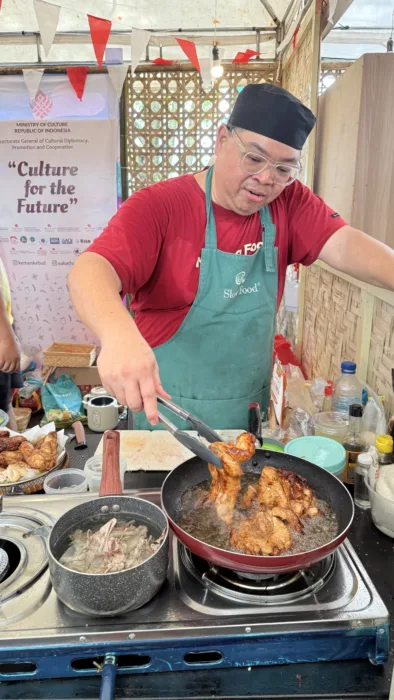
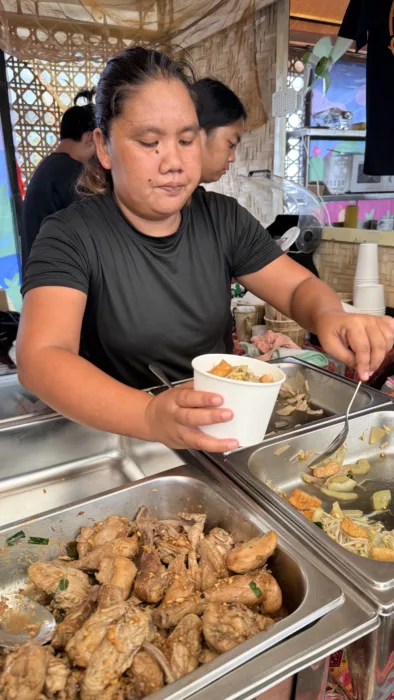
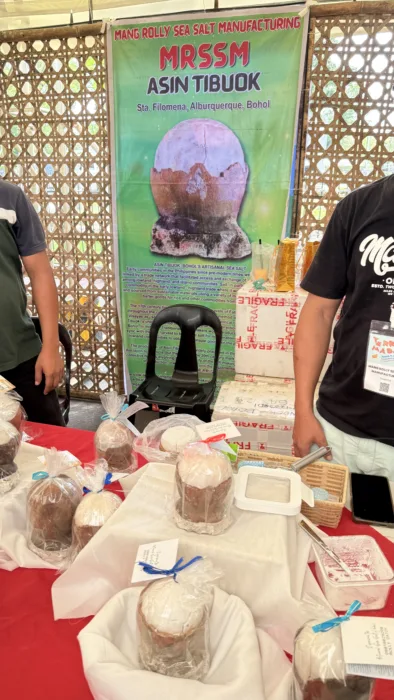
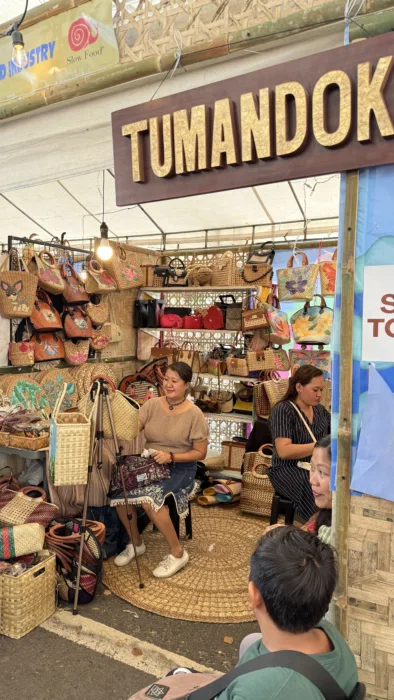
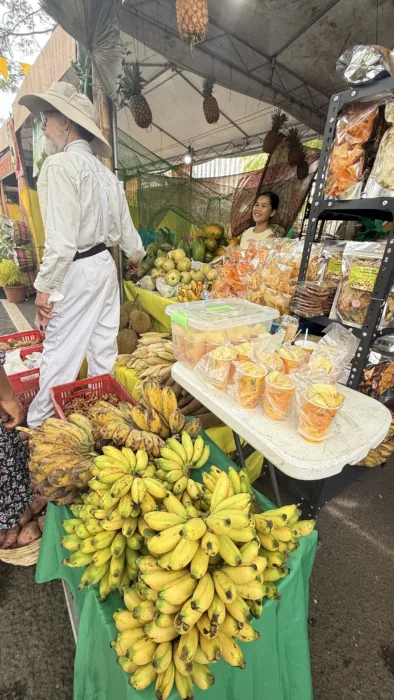
Terra Madre: More Than a Moment, a Movement
What made this Terra Madre unforgettable wasn’t just the food. It was the feeling that every stall, every handshake, every recipe was stitching a new narrative for food in Asia and the Pacific. In a world racing toward industrialization and homogenization, Terra Madre stood as a gentle but firm counterpoint: slow, local, and deeply human.
Backed by the vision of Slow Food International and anchored by Negros’ own resilient farming communities, the event proved that the future of food isn’t found in labs or supermarkets, but in farms, gardens, and grandmothers’ kitchens.
As the sun dipped behind the Capitol Building, casting long shadows over baskets of eggplants, jars of vinegar, and stacks of handmade brochures on seed sovereignty, I realized something: Terra Madre didn’t just happen in Bacolod. Bacolod became Terra Madre: warm, generous, rooted, and smiling.
And my mother? She was delighted with our finds. “We should have brought your aunt,” she said, cradling a bottle of pinakurat, local vinegar with spices, like a newborn.
Because in the world of Terra Madre, everyone has a place at the table—and in the soil.
Leave a Reply