Travel is often measured by the places we visit, the food we taste, or the landmarks we finally get to see with our own eyes. Yet, some of my most cherished memories have come from moments that couldn’t be found in guidebooks. They happened when I found myself standing quietly before magnificent creatures that have long fascinated me. Each animal I’ve seen along the way reminded me that our planet is home to extraordinary life beyond bustling cities and famous attractions.
Over the years, my travels have taken me to different countries, where I had the opportunity to visit world-class zoos, wildlife parks, conservation centers, and animal sanctuaries. These places allowed me to see animals that I had only admired in books and documentaries while growing up. There were also occasions when I unexpectedly encountered wildlife during my journeys, making the experience even more memorable.
Meeting these animals was never simply about taking photographs. Every encounter became a reminder that humans share this world with countless species whose survival depends on how well we care for our environment. Many of these remarkable creatures face threats from habitat loss, climate change, and illegal wildlife trade. Seeing them up close deepened my appreciation for conservation efforts and the people dedicated to protecting them for future generations.
Here are seven animals that have left a lasting impression on my travels.

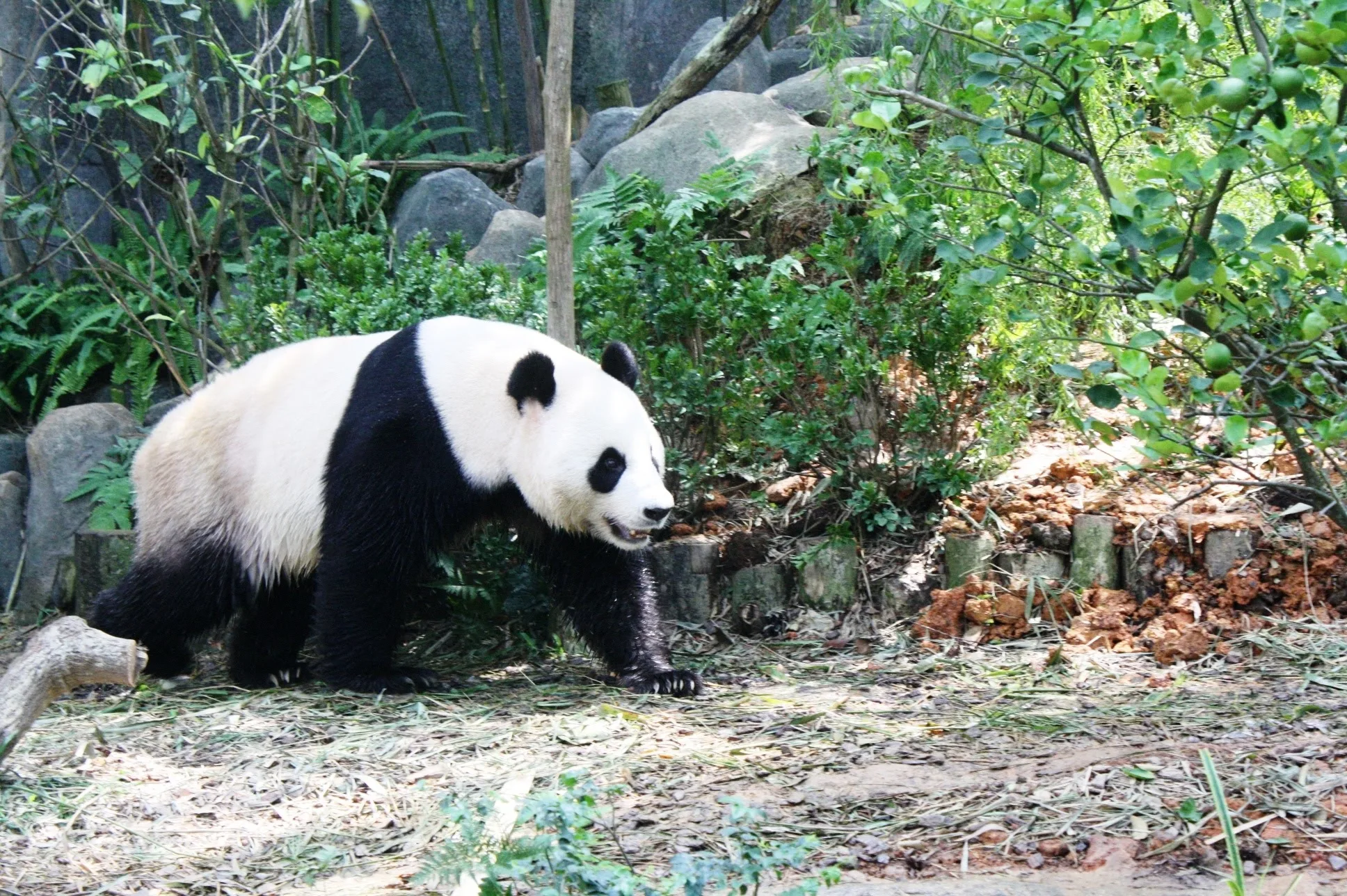
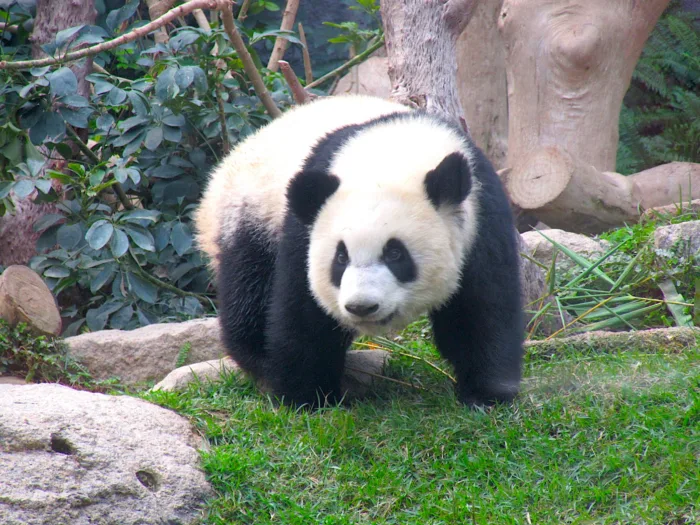
Panda: an adorable animal
Few animals capture hearts quite like the giant panda. Seeing one in person was a childhood dream fulfilled. Their iconic black-and-white fur, round faces, and seemingly gentle personalities make them irresistibly adorable.
Watching a panda leisurely munch on bamboo while appearing completely unbothered by the crowd was strangely calming. Despite their cuddly appearance, pandas are a conservation success story that reminds us how international efforts can help endangered species recover when governments, scientists, and conservationists work together.
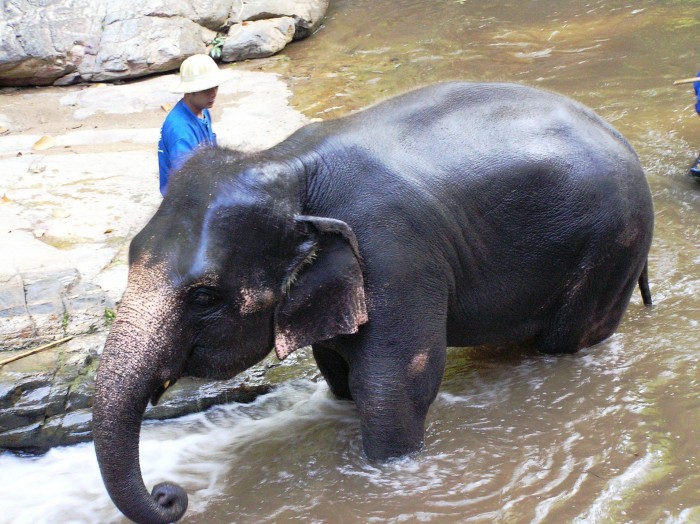
Elephant: animal of the royalty
Standing near an elephant is a humbling experience. No photograph can truly prepare you for the sheer size, strength, and quiet grace of these gentle giants.
Yet beyond their impressive appearance lies remarkable intelligence. Elephants form close family bonds, care deeply for one another, and possess memories that have inspired countless stories. Observing them made me realize that they deserve not only our admiration but also our protection from habitat destruction and poaching.
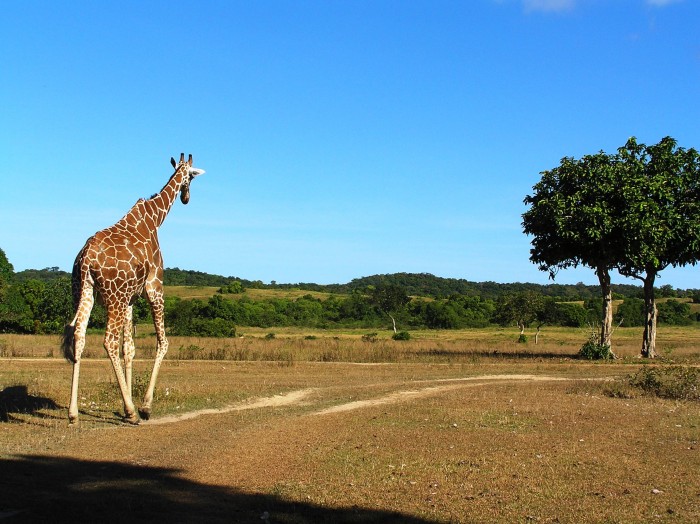
Giraffe: tall and proud
Among the most elegant animals I have encountered is the giraffe. Their impossibly long necks and graceful movements make them look almost surreal, as though they stepped out of a storybook.
Watching a giraffe effortlessly reach leaves high above the ground while calmly surveying its surroundings was mesmerizing. There is a quiet confidence in the way they move that perfectly matches the vast landscapes they call home.
Peacock: beauty beyond measure
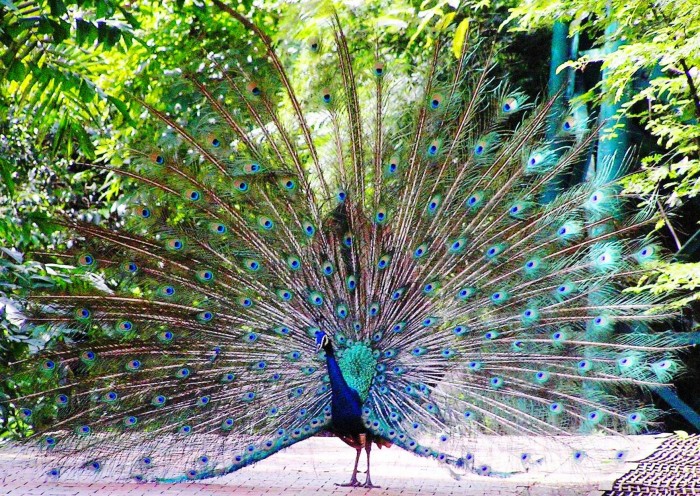
A peacock hardly needs an introduction. Even before it spreads its magnificent tail, it already commands attention with its vibrant blue feathers and regal posture.
The moment a peacock fully fans out its colorful plumage is unforgettable. Nature transforms into living art, with every feather displaying intricate patterns that seem almost too beautiful to be real. It serves as a reminder that the natural world often creates masterpieces beyond anything humans can imagine.
Koala: tree-dwelling animal
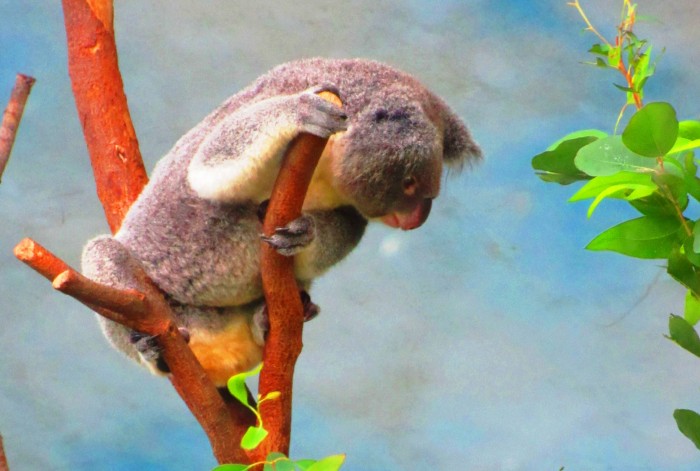
No trip to Australia would feel complete without seeing a koala. These tree-dwelling marsupials spend most of their day sleeping, creating an impression of complete serenity.
Although they appear soft and cuddly, koalas face significant challenges due to habitat loss and devastating bushfires. Seeing them in conservation facilities highlighted the importance of protecting Australia’s unique wildlife and preserving the eucalyptus forests they depend upon.
Tortoise: breathtaking under the sea
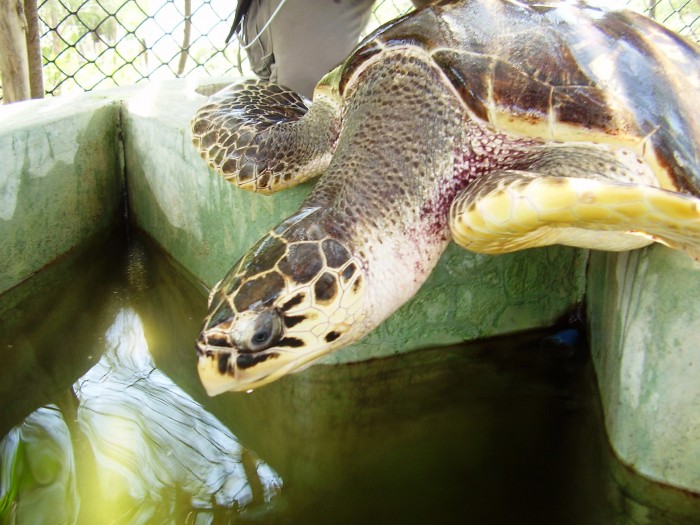
Tortoises may not be the fastest or flashiest animals, but they possess a quiet charm that grows on you the longer you watch them.
Their slow and deliberate movements seem to encourage patience in a world that constantly rushes forward. Knowing that some tortoises can live for well over a century makes every encounter feel like meeting a living witness to history.
Victoria Crowned Pigeon: one-of-a-kind animal
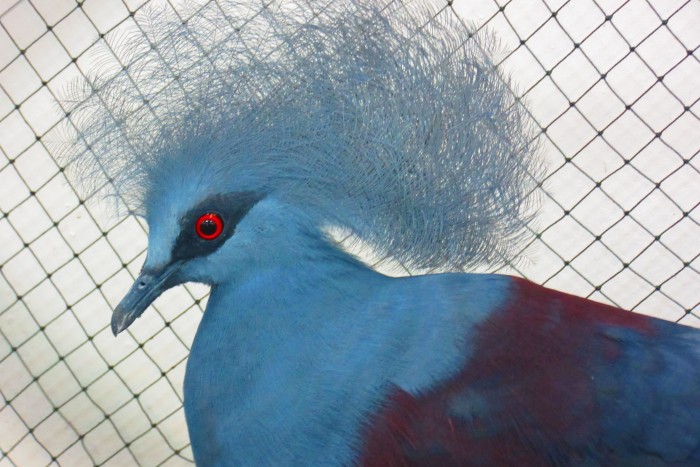
One of the most surprising birds I have ever encountered was the Victoria crowned pigeon. Before seeing one, I never imagined that a pigeon could be so strikingly beautiful.
Its elegant blue plumage and delicate lace-like crest give it an almost royal appearance. Walking gracefully across its enclosure, it looked less like an ordinary bird and more like a member of avian royalty. It quickly became one of the most memorable and unexpected wildlife encounters of my travels.
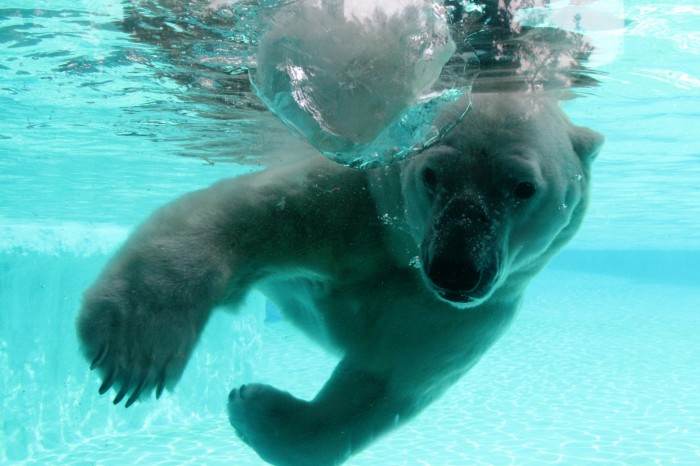
Every Journey Can Inspire Conservation
One lesson I’ve learned from traveling is that wildlife is every bit as valuable as famous landmarks. Long after I’ve left a destination, I often remember the gentle gaze of a giraffe, the playful charm of a panda, or the majestic presence of an elephant just as vividly as I remember historic buildings or breathtaking landscapes.
Visiting reputable zoos, wildlife parks, and conservation sanctuaries has shown me the important role these institutions can play in education, research, and species preservation. They help people, especially children, develop a deeper appreciation for animals they may never encounter in the wild.
Every journey offers an opportunity to become a better steward of nature. Whether by supporting ethical conservation programs, such as the World Wildlife Fund (WWF) and Re:wild, respecting wildlife habitats, reducing plastic waste, or simply sharing awareness, each of us can help ensure that future travelers will continue to experience the same sense of wonder when meeting these remarkable creatures. After all, the greatest souvenirs we can bring home are not just photographs, but a renewed commitment to protecting the incredible world we all share.
Leave a Reply