Sometimes, the best travel experiences are the ones you never planned.
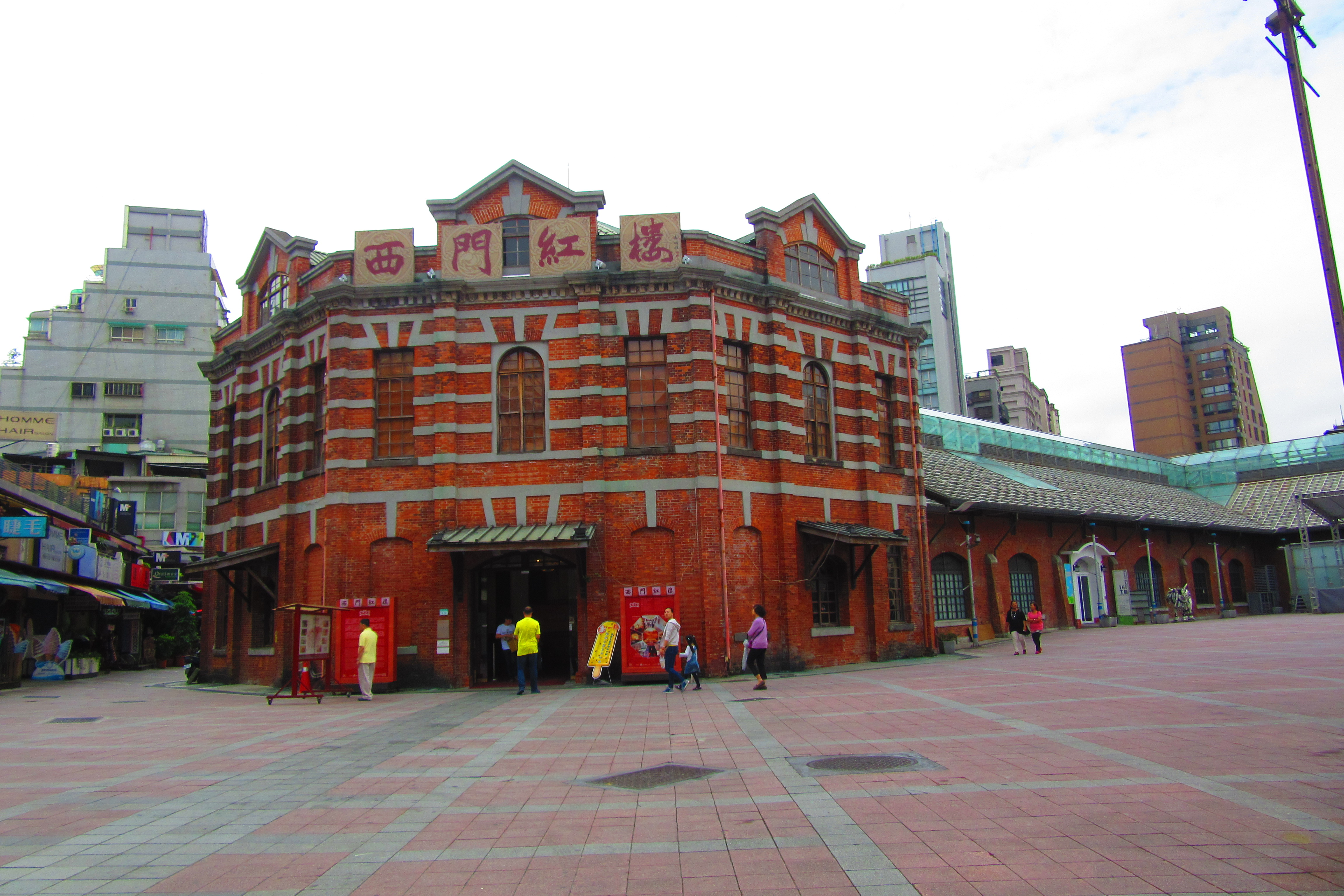
That was exactly what happened during our first visit to Taipei. We had simply set out to find the Ximen MRT Station, unaware that one of the city’s most iconic landmarks was only a short walk from our hotel. As we wandered through the lively streets of Ximending, an eye-catching red-brick building suddenly appeared across the road.
Its unusual octagonal shape immediately caught our attention.
Curious, we crossed the street to take a closer look. Only then did we realize that we had stumbled upon one of Taipei’s most treasured heritage sites, the Red House.
What began as a quick stop turned into an enjoyable introduction to Taipei’s history, architecture, and creative culture.
An Architectural Gem Since 1908
The Red House, also known as the Red House Theater, was completed in 1908 during the Japanese colonial period. It holds the distinction of being Taiwan’s very first government-operated public market.
Designed by Japanese architect Kondo Juro, the building combined Western architectural influences with practical market design. Unlike ordinary market buildings, the Red House featured a striking octagonal entrance connected to a cruciform structure at the rear. Even today, this rare architectural layout remains one of its defining characteristics and is seldom seen elsewhere in Taiwan.
Although the building originally functioned as a marketplace, it gradually evolved over the decades. As shopping habits changed, the market eventually closed, and the historic structure underwent extensive restoration to preserve its architectural beauty and cultural significance.
Today, the Red House stands as one of Taipei’s best-preserved historical landmarks.
A Beautiful Landmark in the Middle of Modern Taipei
Standing in front of the Red House, it is hard not to admire its timeless charm.
The bright red bricks give the building its name, while the octagonal façade immediately sets it apart from the surrounding modern establishments. Decorative arches, tall windows, and intricate brickwork reflect early twentieth-century architectural craftsmanship.
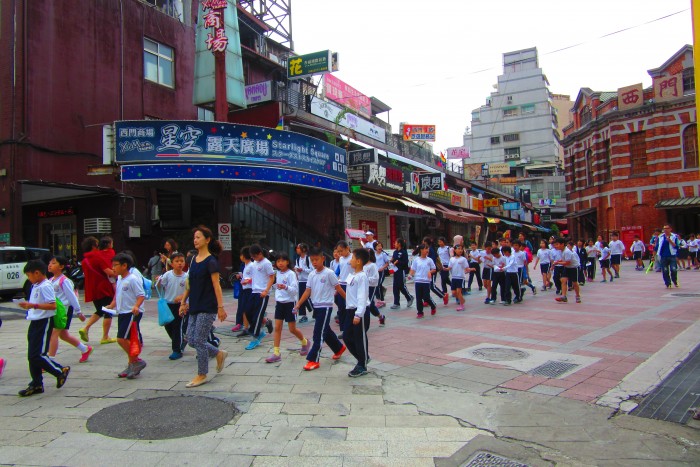
Despite being surrounded by the bustling shopping district of Ximending, the Red House retains a calm and elegant atmosphere. It feels like a bridge connecting Taipei’s rich past with its vibrant present.
Outside, an open plaza provides space for visitors to relax, meet friends, or enjoy occasional street performances. The contrast between the historic building and the lively pedestrian streets creates one of the most photogenic corners of Taipei.

Inside the Red House
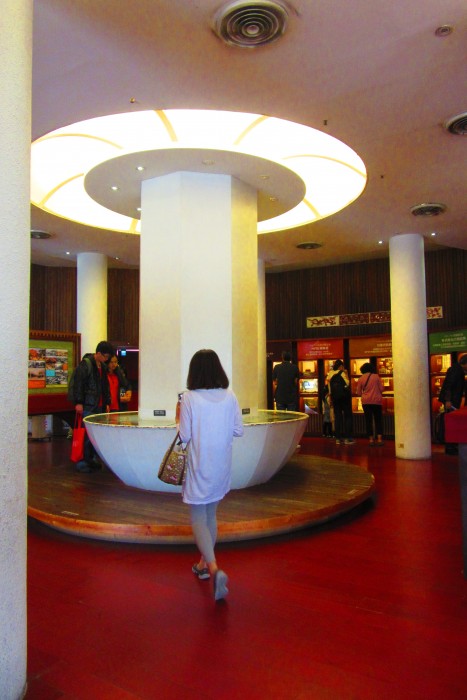
We spent time exploring the different sections of the building and quickly realized that there was much more than history waiting inside.
The information center proved especially helpful. It offered brochures, maps, and travel materials that gave us useful ideas for exploring the rest of Taipei. For first-time visitors like us, this was an excellent resource.
The boutique area featured locally made products, postcards, magnets, handcrafted souvenirs, and creative gifts. Rather than selling generic tourist items, many of the shops showcased the work of Taiwanese artists and independent designers.
We also found a cozy tea shop where visitors could take a break after exploring the building.
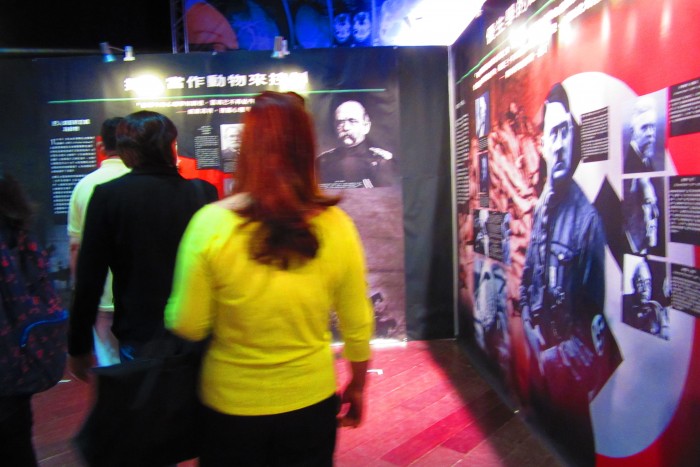
During our visit, the upper floor housed a special exhibition in the theater space. Depending on the season, visitors may encounter art exhibits, performances, cultural events, or temporary installations that showcase Taiwan’s thriving creative community.
From Historic Market to Cultural Hub
Today, the Red House is managed by the Taipei Culture Foundation, which has successfully transformed it into one of Taipei’s leading centers for arts and culture.
Instead of serving as a traditional marketplace, the building now hosts theatrical performances, art exhibitions, craft fairs, design markets, and cultural festivals throughout the year.
The surrounding North Square has also become known for supporting local artists and creative entrepreneurs. Visitors can browse handmade jewelry, artwork, fashion accessories, and unique crafts while interacting directly with their creators.
The area is especially lively on weekends when markets and special events attract both locals and tourists.
The Heart of Ximending
One of the biggest advantages of visiting the Red House is its location.
Situated in the vibrant Ximending district, it sits at the center of one of Taipei’s busiest shopping and entertainment neighborhoods. The surrounding streets are packed with fashion boutiques, restaurants, cafés, dessert shops, street food stalls, cinemas, and colorful murals.
Many people compare Ximending to Tokyo’s Harajuku or Shibuya because of its youthful energy and constantly changing trends.
As day turns into evening, the district becomes even more animated as bright neon lights illuminate the streets and performers entertain crowds in the pedestrian zones.
Visiting the Red House is therefore easy to combine with shopping, dining, or simply people-watching.
How to Get to the Red House
The easiest way to reach the Red House is by taking the Taipei MRT.
Simply ride the Blue Line or Green Line to Ximen Station and exit through Exit 1. From there, the Red House is only a minute’s walk away, making it one of the city’s most accessible historical attractions.
Its address is:
No. 10 Chengdu Road, Wanhua District, Taipei City, Taiwan
The Red House is generally open from Tuesday to Sunday, 11:00 AM to 9:30 PM, while some individual shops and exhibitions may have slightly different operating hours.
Because it is located in Ximending, visitors can easily spend several hours exploring the surrounding area after touring the building.
Interesting Facts About the Red House
Here are a few fascinating facts that make the Red House even more special:
It was Taiwan’s first government-operated public market.
The building has stood for well over a century.
Its octagonal and cruciform floor plan is one of the most distinctive examples of early twentieth-century architecture in Taiwan.
It survived wars, changing governments, and urban redevelopment before being carefully restored.
Today, it serves as one of Taipei’s leading cultural and creative venues.
The plaza behind the Red House is also known as one of Taipei’s most inclusive gathering spaces and is especially vibrant during weekends and festivals.
A Memorable First Encounter
Looking back, I am glad we never planned our visit to the Red House.
Had we followed only our itinerary, we might have walked right past one of Taipei’s most fascinating historical landmarks. Instead, a simple search for the MRT station introduced us to a building that tells the story of Taipei’s transformation through more than a century of history.
The Red House perfectly captures what makes travel so rewarding. Sometimes, the greatest discoveries are not found on carefully planned schedules but in those unexpected moments when curiosity leads you across the street.
If you are exploring Taipei for the first time, make time for the Red House. Whether you love history, architecture, shopping, photography, or local culture, this beautifully preserved landmark offers a wonderful glimpse into both old and modern Taiwan.
For more information, you may e-mail them at service@redhouse.org.tw or visit their website http://www.redhouse.org.tw. To see more photos of our visit, check my Facebook page Red House album. Read other blog posts on my Taiwan trip here.
Leave a Reply