Our visit to Taiwan’s Martyr’s Shrine happened unexpectedly during one late afternoon in Taipei. Although it was not originally the highlight of our itinerary, the visit turned into one of the most memorable experiences of our trip. From its grand architecture and peaceful surroundings to the precision of the ceremonial changing of the guards, the shrine offered us a glimpse of Taiwan’s history and traditions.
Finding Our Way to the Martyr’s Shrine
Getting to the Martyr’s Shrine was surprisingly easy. We started from Taipei Metro Dazhi Station and crossed the intersection toward the bus station. The route information displayed the available buses, along with their estimated arrival times.
It was fascinating to see how organized Taipei’s public transportation system was. Since bus arrivals were clearly posted, we simply chose the I13 bus because it was the next one to arrive.
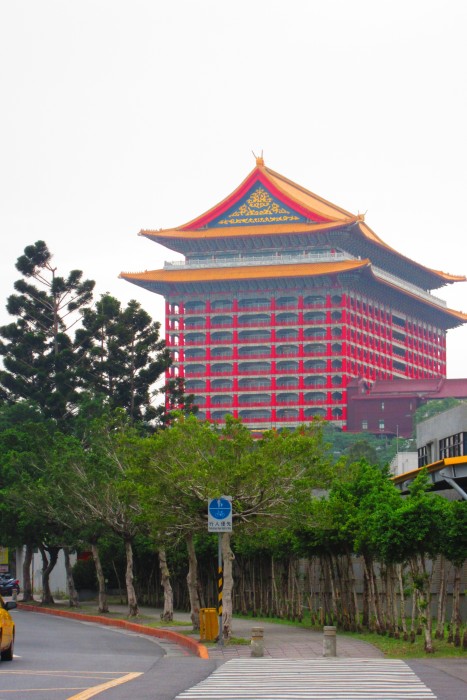
After a short ride, we got off at the bus stop near the shrine. From there, the impressive The Grand Hotel Taipei stood proudly in the distance, its striking traditional Chinese architecture immediately catching our attention. The hotel’s grand presence added even more charm to the scenic surroundings.
A few minutes later, we reached the entrance of the Martyr’s Shrine.
A Grand Entrance Framed by Chinese Architecture
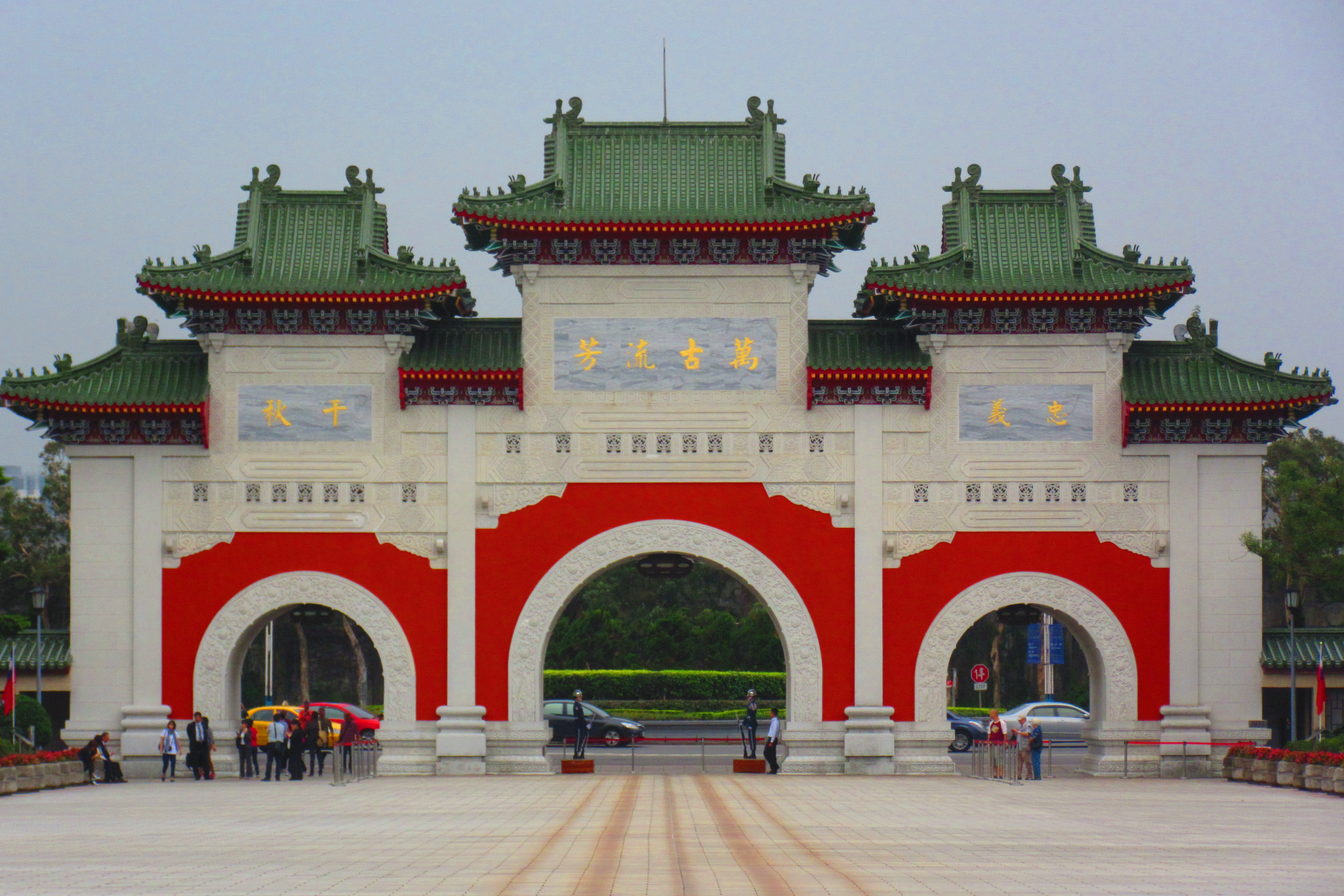
The first thing that welcomed us was a magnificent paifang, or traditional Chinese archway. Its intricate details and elegant design immediately invited us to stop and admire it.
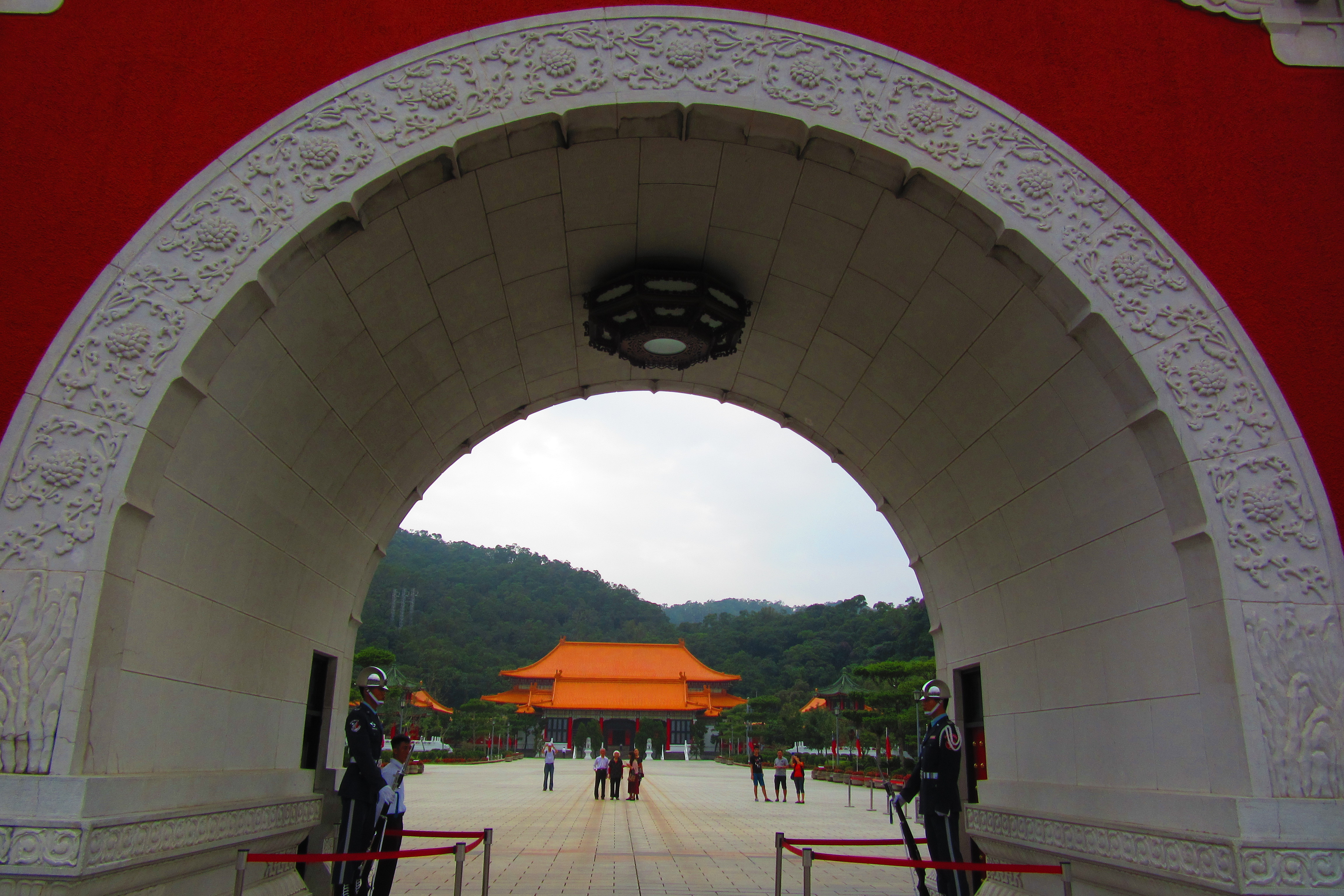
The three-arched gateway created a beautiful frame of the shrine’s entrance building in the distance. Behind it, the mountains provided a calm and dramatic backdrop, making the entire scene look like a carefully painted landscape.
While I was busy taking photos of the arch, a guard approached and gently directed me toward the side entrance. At first, I wondered why some areas were being closed off. However, I soon realized that something special was about to happen.
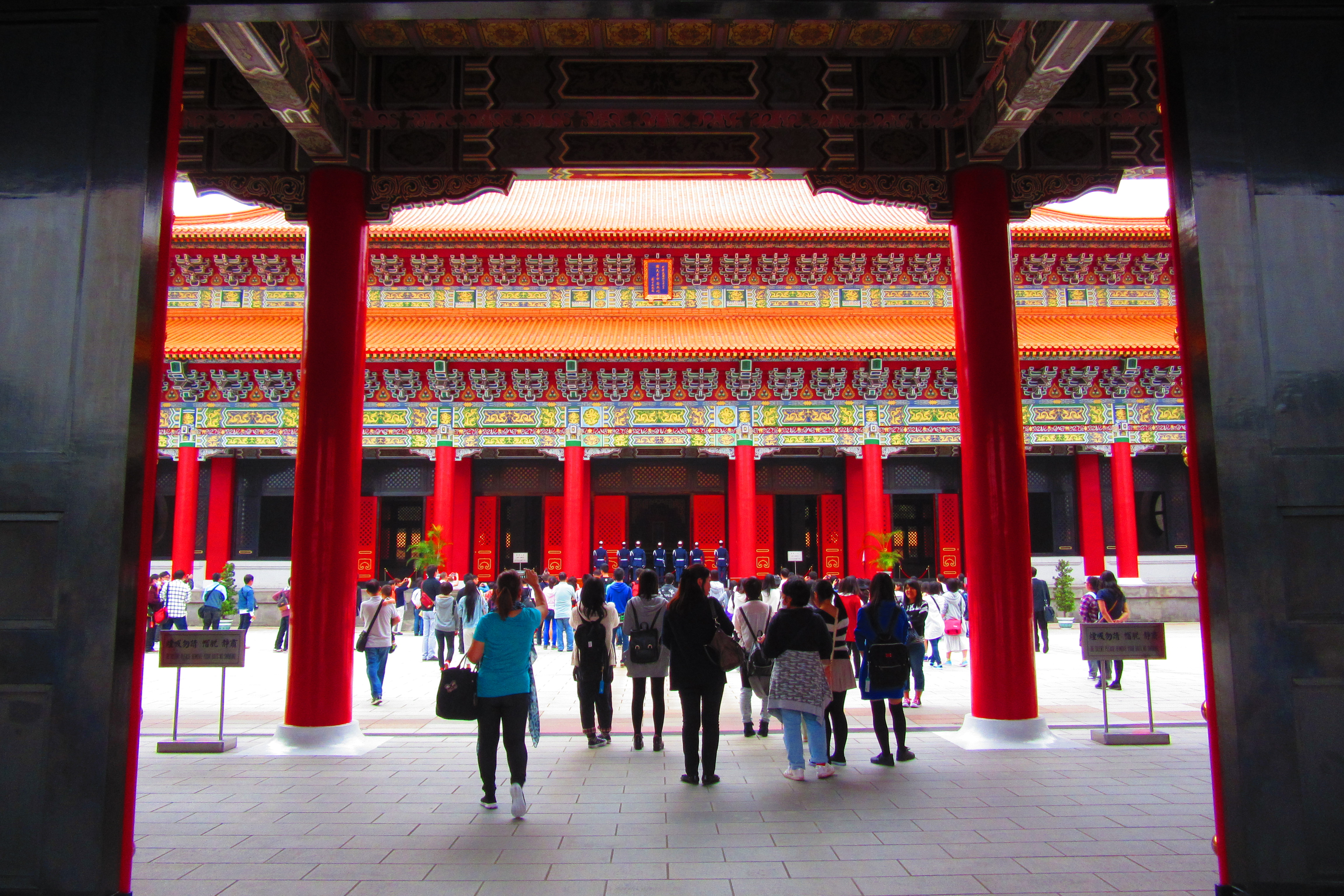
The open space in front of the shrine had been prepared for the ceremonial changing of the guards.
Witnessing the Changing of the Guards Ceremony
Visitors gathered along the sides of the cordoned area, eagerly waiting for the ceremony to begin. We joined the crowd and watched as everyone patiently anticipated the arrival of the guards.
Then, a sharp command echoed from the side of the gate. It was the signal that the ceremony was starting.
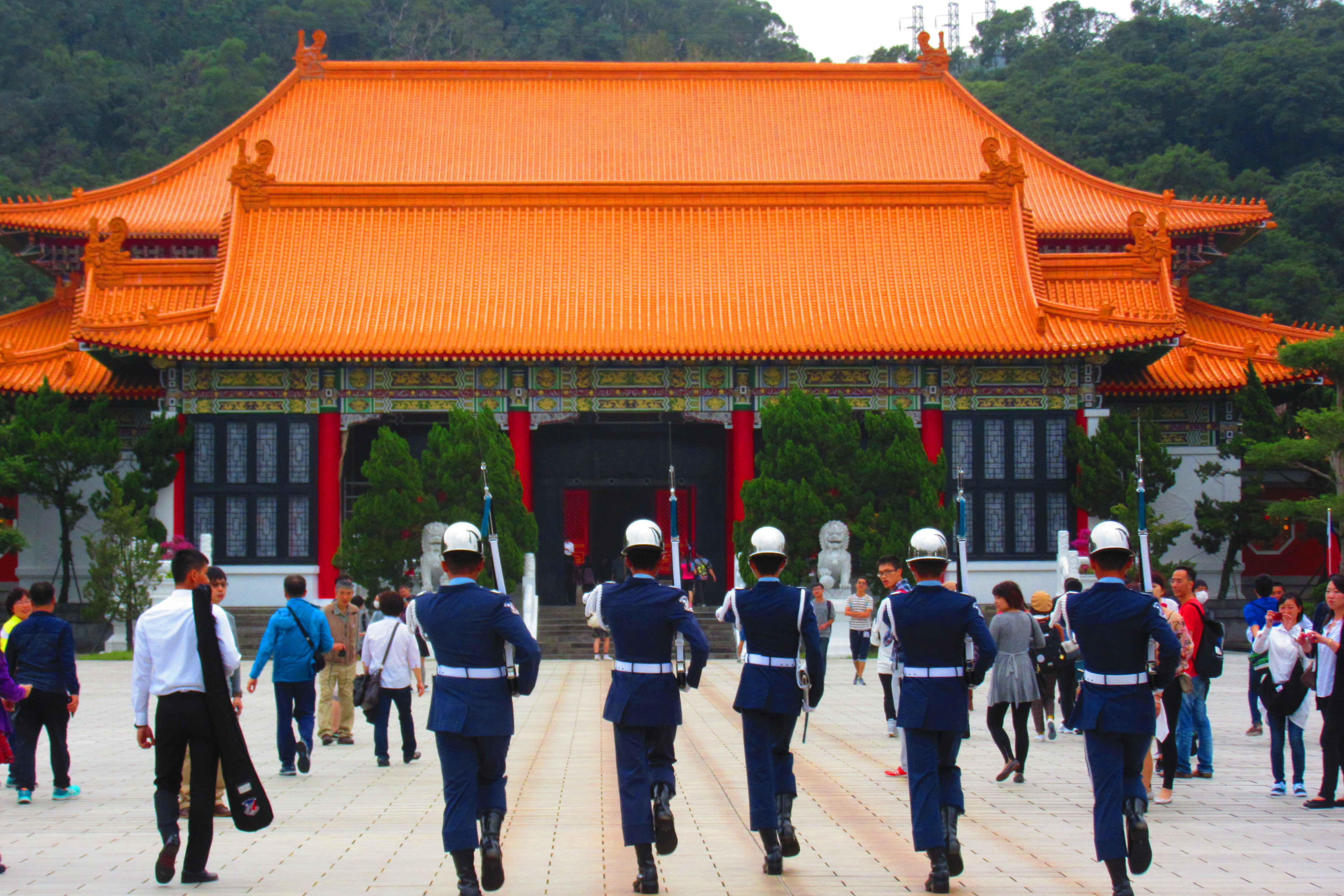
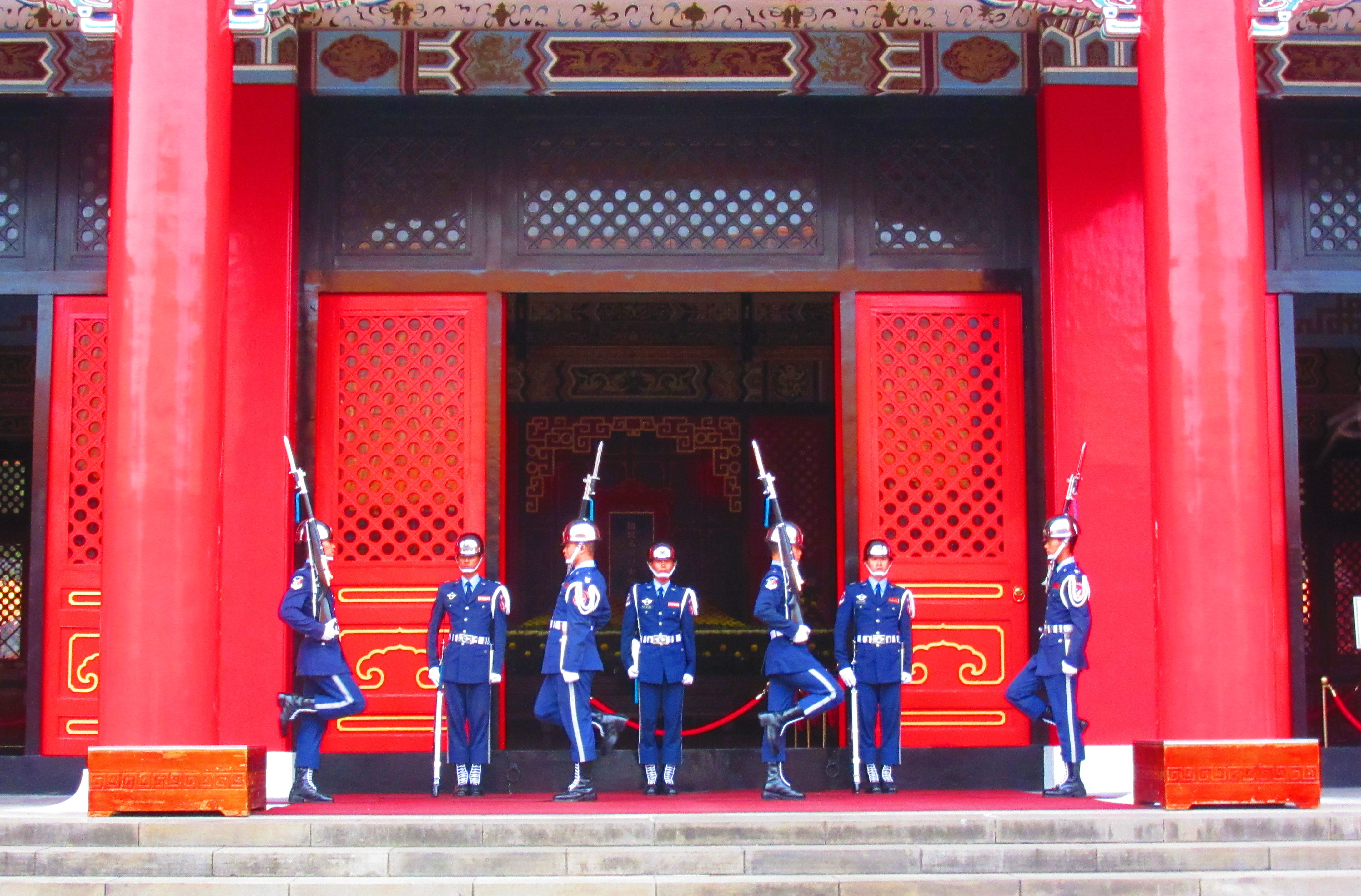
Five guards appeared and began their precise march across the wide courtyard. Every movement was perfectly synchronized, with their steps landing exactly along the brown line on the pavement. The worn marks on the ground seemed to tell stories of countless ceremonies performed with the same discipline and accuracy.
We followed their movement as they marched toward the main hall of the shrine. Once they arrived, they performed a series of impressive rifle and bayonet movements. Their coordination, focus, and controlled movements were captivating to watch.
The entire performance lasted for about 30 minutes. Finally, after completing the ceremony, the new guards took their positions while the previous set marched back toward the grand archway.
It was a remarkable display of tradition, discipline, and respect.
Understanding the History Behind the Shrine
Beyond its beautiful architecture and ceremonial rituals, the Martyr’s Shrine carries deep historical significance. Built in 1969, the shrine honors approximately 390,000 soldiers who sacrificed their lives defending their country during the Chinese Civil War, Second Sino-Japanese War, and other conflicts, revolutions, and national crises.
The shrine sits on Chingshan Mountain in Taipei’s Zhongshan District, overlooking the Keelung River. Its elevated location adds to the peaceful atmosphere, allowing visitors to reflect on the sacrifices commemorated within its grounds.
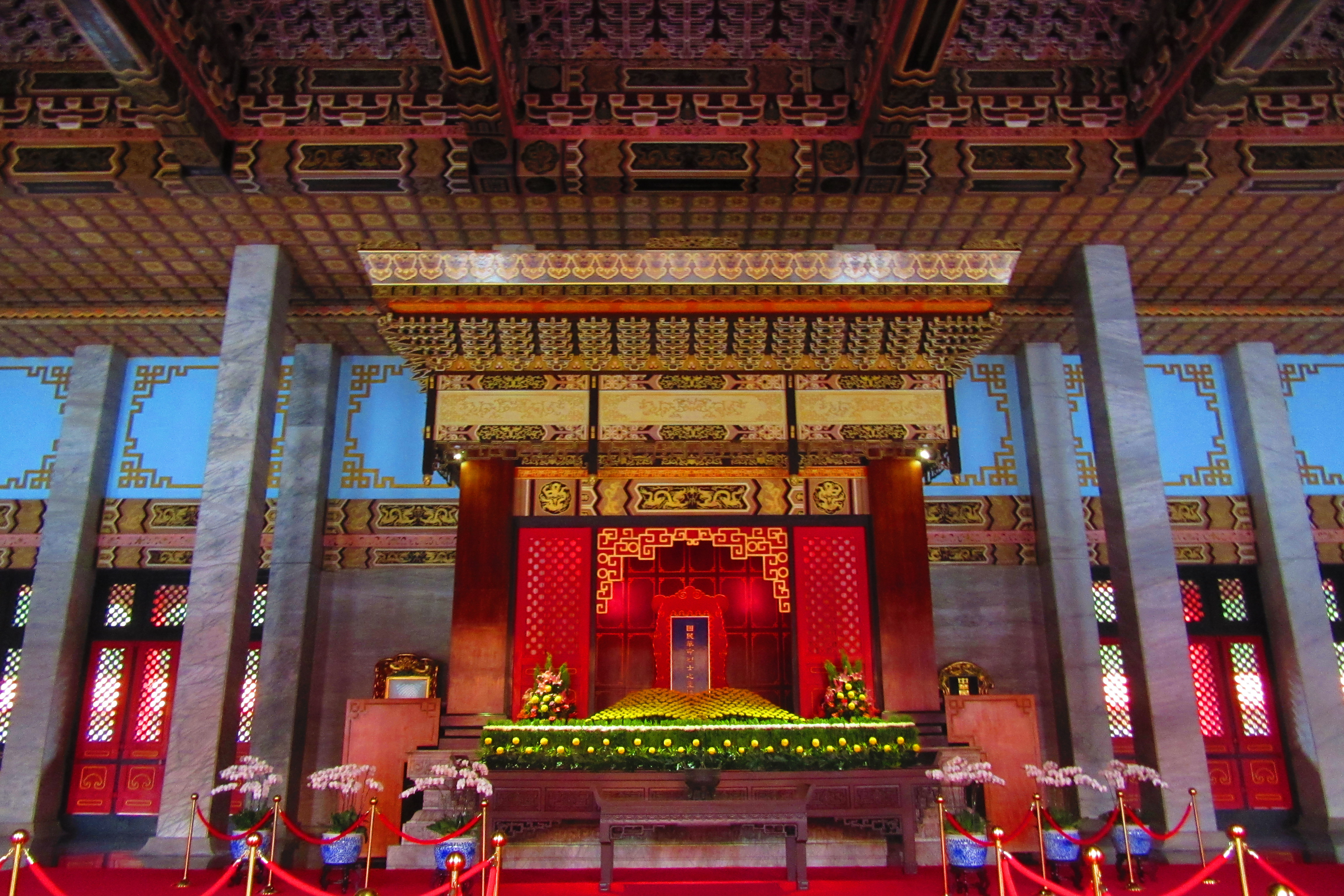
Architecturally, the Martyr’s Shrine draws inspiration from the Hall of Supreme Harmony, one of the most iconic structures in the Forbidden City. The sweeping roofs, symmetrical layout, and traditional Chinese design elements give the shrine a majestic appearance.
Upon reaching the main hall of the shrine, they made various exhibitions with their bayonets. It was captivating to watch them did all of these, which lasted for about 30 minutes in total until the old set of guards marched back to the arch.
The Martyr’s Shrine was built in 1969 for the 390,000 soldiers who offered their lives defending their country during the Chinese Civil War, Sino-Japanese War, and other engagements like revolutions and crises. The location was at the Chingshan Mountain overlooking the Keelung River in the Zhongshan District. The architecture of the Martyr’s Shrine was inspired by the Hall of Supreme Harmony of the Forbidden City in Beijing.
A Memorable Taipei Experience
Our first visit to Taiwan’s Martyr’s Shrine became more than just a sightseeing stop. It was an encounter with history, architecture, and a centuries-old tradition of honoring sacrifice.
Watching the changing of the guards ceremony was the highlight of our visit. The precision of every step and movement reflected the dedication behind preserving this important cultural practice.
For travelers exploring Taipei, the Martyr’s Shrine offers a meaningful experience away from the city’s busy streets. It is a place where history stands proudly, traditions continue, and every corner tells a story.
The Martyr’s Shrine is located at 138 Beian Road, Zhongshan District, Taipei City. For more photos of our visit at the Martyr’s Shrine, see my Facebook page album.
Leave a Reply