Chinese New Year arrived with a bang, beginning with firecrackers that shattered the quiet and chased away evil spirits.
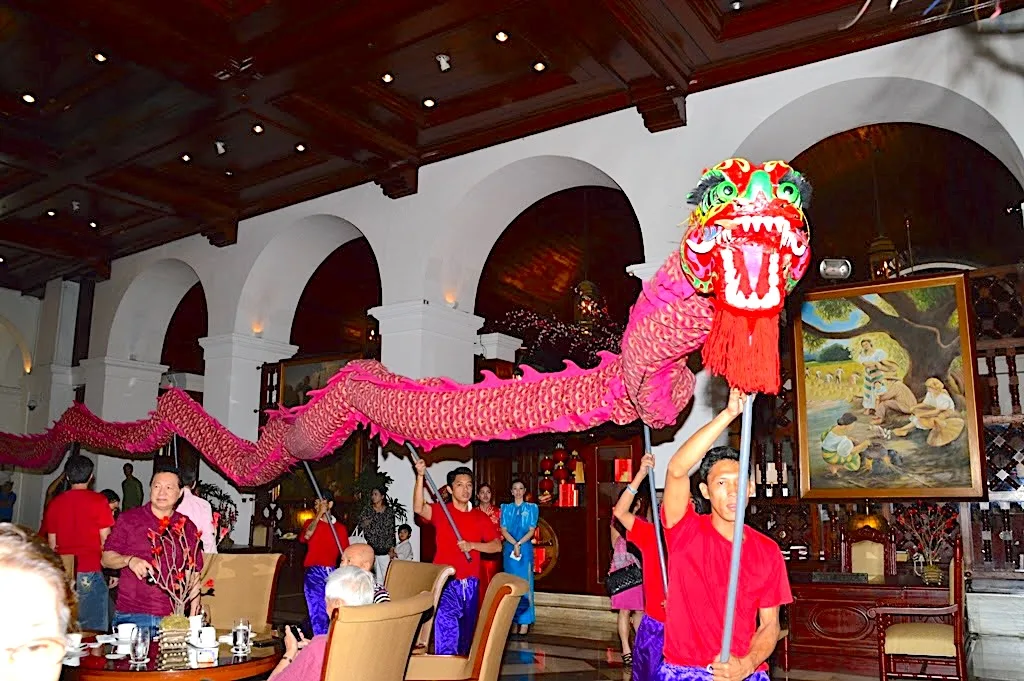
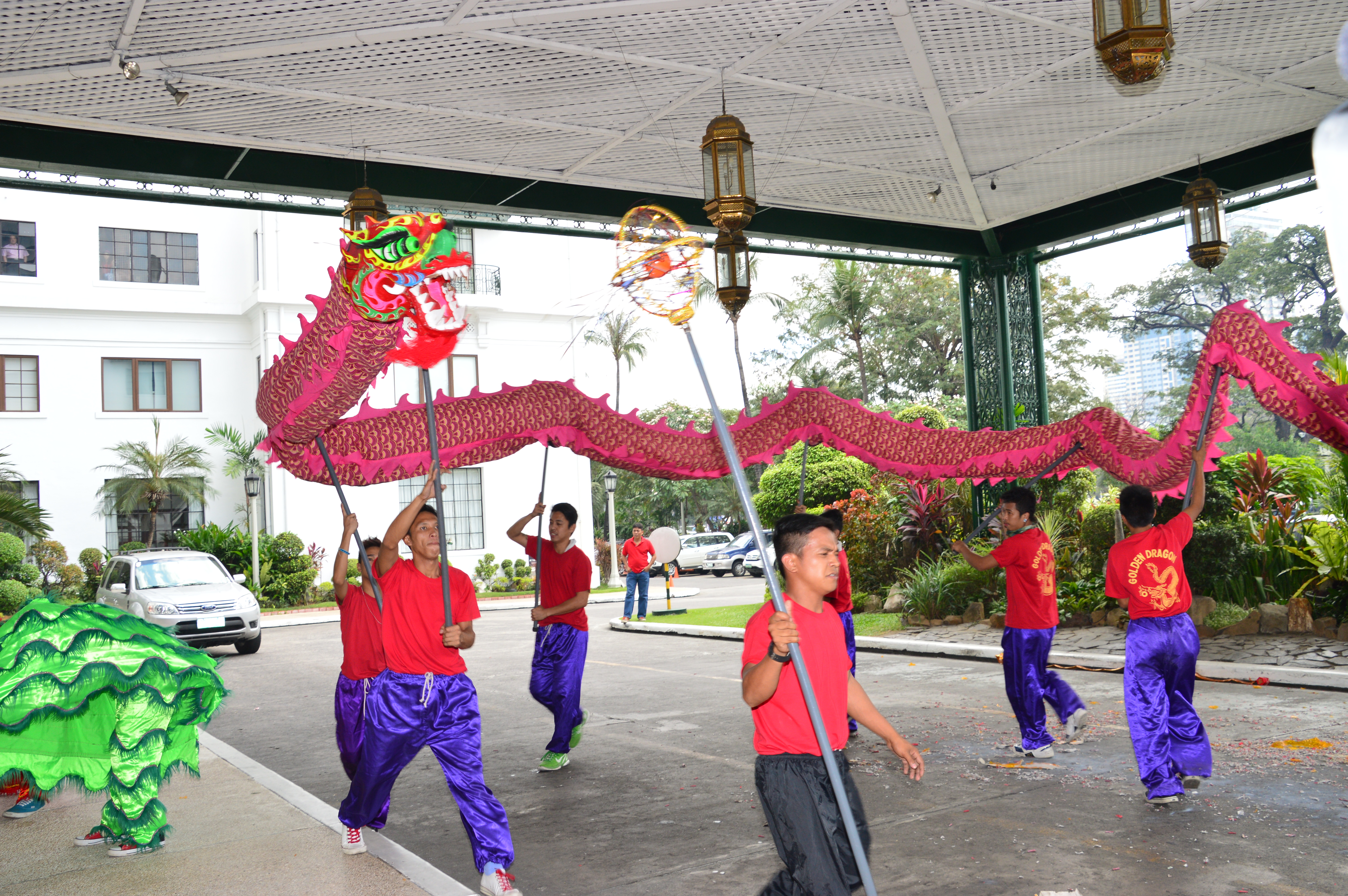
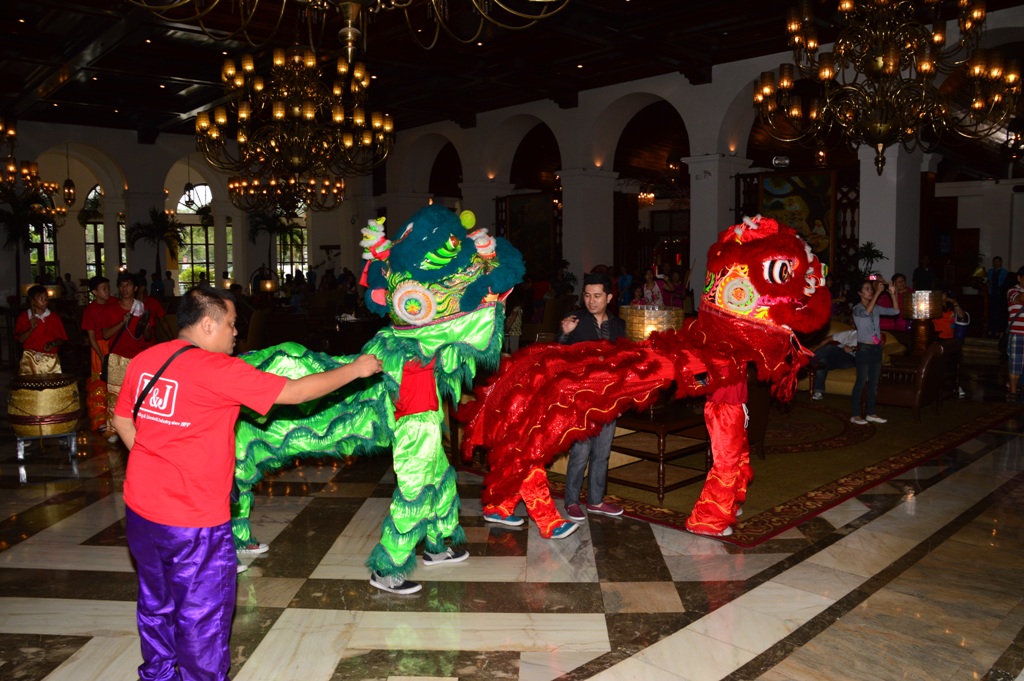
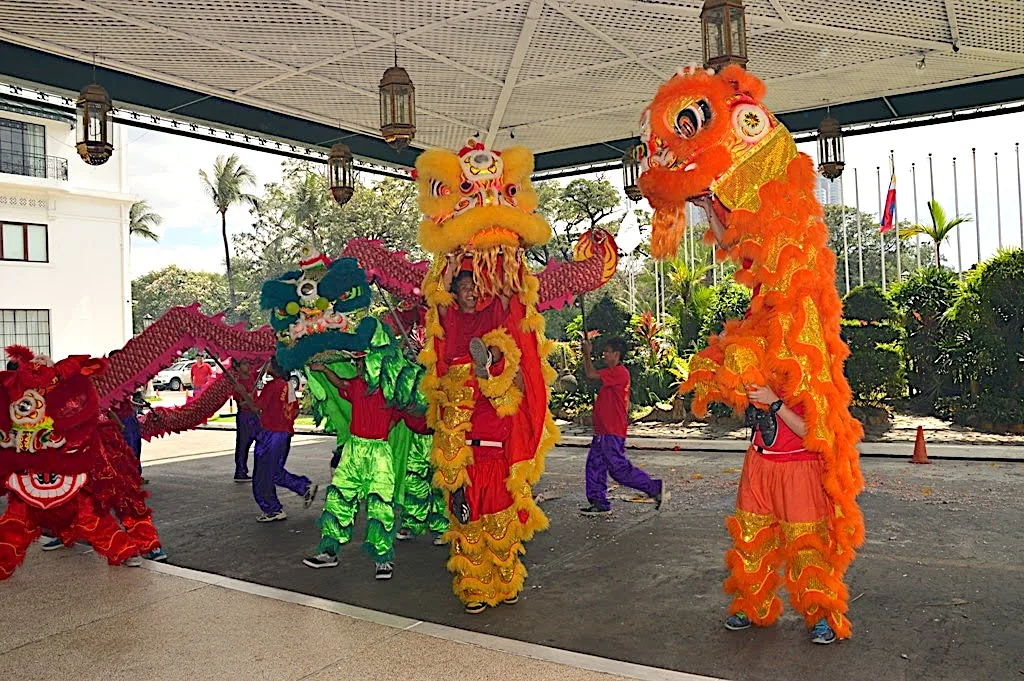
Then came the dragons and lions, weaving through the crowd to a lively, unmistakable beat. Their colorful bodies moved with energy as they followed a trail of red envelopes and offerings.
I watched with fascination as the creatures seemed to come alive before us. They stopped along the way to “eat” ang pao, fruits, candies, and other offerings.
Chinese New Year Brings Tradition to Manila
The Year of the Water Snake had arrived, and communities around the world welcomed it with celebration.
Here in the Philippines, Chinese New Year holds a special place in our cultural landscape. Nowhere is that connection more visible than Binondo, Manila’s historic Chinatown.
Chinese traditions have become deeply woven into Philippine society. Centuries of interaction between Filipino and Chinese communities have left lasting marks on our food, language, commerce, beliefs, and celebrations.
So, while Chinese New Year is distinctly Chinese in origin, its presence feels familiar to many Filipinos. The festivities have become part of the colorful cultural tapestry surrounding us.
My First Real Chinese New Year Celebration
I had seen Chinese New Year celebrations before, but mostly from a distance. This time, however, I found myself right in the middle of the festivities.
That made all the difference.
There was something wonderfully unpredictable about watching the dragons move through the crowd. Their bright colors, dramatic movements, and rhythmic steps immediately commanded attention.
Then, the dragon stopped for a pineapple.
I watched as it appeared to “eat” the fruit before moving along its path. Soon, candies and other offerings disappeared into its playful mouth as people watched excitedly.
Afterward, some of these offerings were distributed to bystanders. They became small tokens of good fortune, turning an entertaining spectacle into a meaningful cultural experience.
The Language of Luck
Luck and prosperity occupy an important place in many Chinese traditions. During Chinese New Year, those wishes seem to appear everywhere.
They emerge in red envelopes, auspicious decorations, symbolic foods, lucky objects, and carefully arranged spaces. Even the movements of the lion and dragon carry meanings beyond simple entertainment.
This reminded me of a visit to a Feng Shui Museum in Xi’an, China.
During that trip, our guide explained how different positions, shapes, and objects could create harmony with nature. The concept of chi gave these seemingly ordinary details a deeper significance.
I found myself thinking about that experience again while watching the festivities in Manila.
Perhaps that is one reason Chinese New Year feels so visually captivating. Almost everything seems to carry a message.
A Chinese Fan Painting Exhibit Steals the Spotlight
Yet, among all the sights and sounds, one attraction captured my attention in a completely different way.
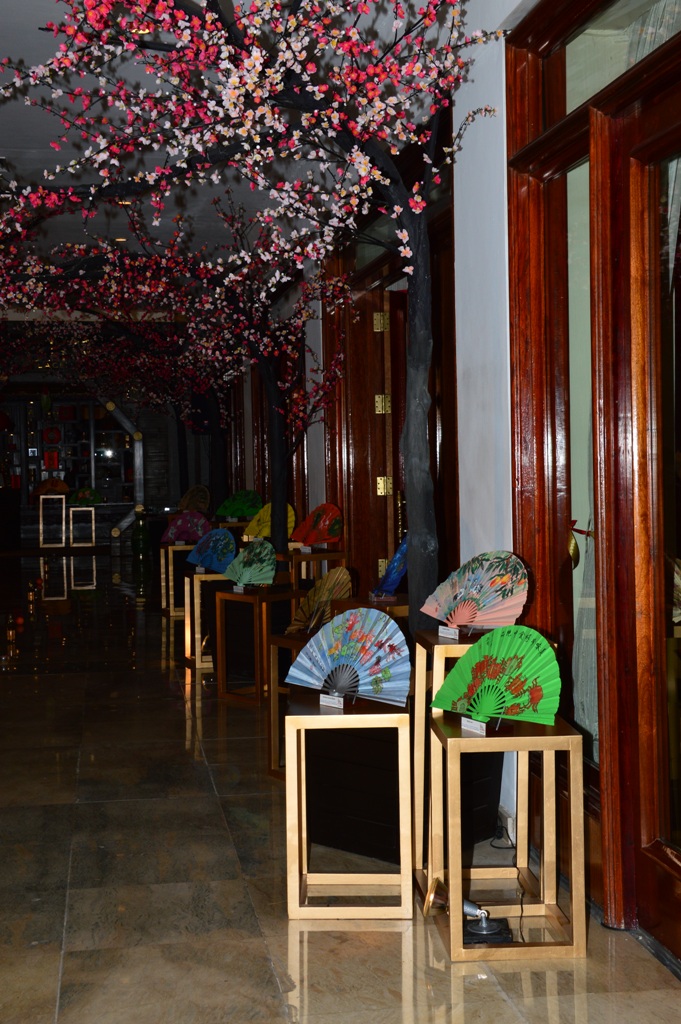
It was the Chinese fan painting exhibit.
Instead of the explosive energy of firecrackers and dancing dragons, the fans offered something quieter. Their delicate surfaces transformed traditional art into something intimate and elegant.
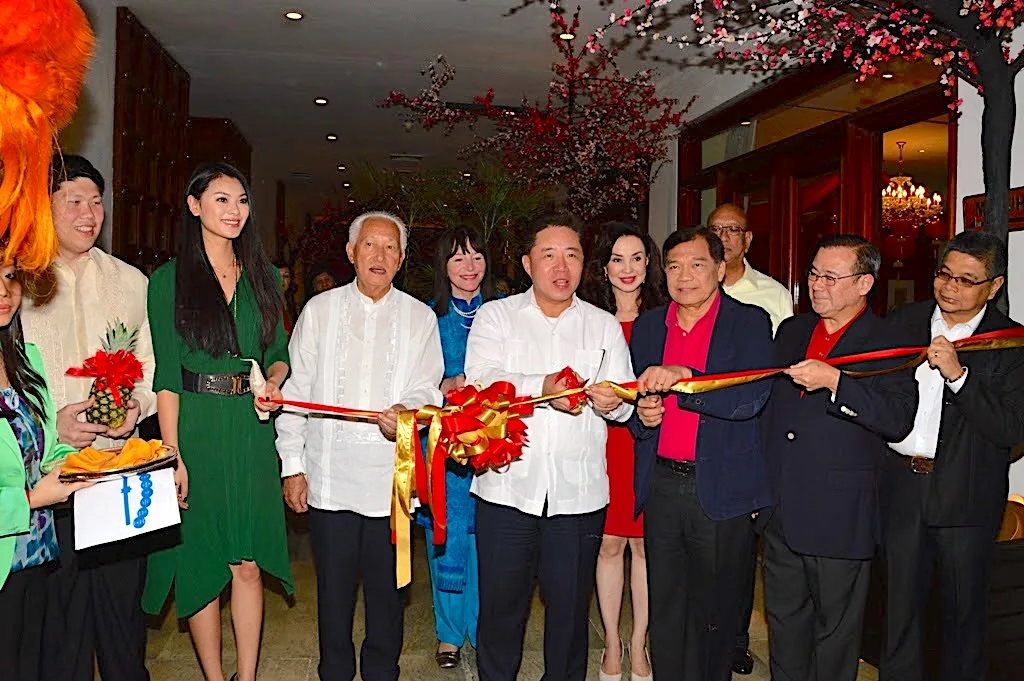
The exhibit was opened by none other than Wenxia Yu, Miss World 2012 from China. Her presence added another memorable dimension to an already colorful celebration.
For me, the fan paintings felt especially personal.
I have always found Chinese fans beautiful. In fact, I once received a Chinese fan that I truly loved.
Unfortunately, I lost it.
So, when I visited China two years ago, I naturally found myself looking for something similar. I wanted to replace that little piece of beauty that had somehow disappeared from my collection.
Seeing the fan paintings during the Chinese New Year celebration brought back that memory. It also reminded me how art can connect seemingly ordinary objects with personal stories.
Chinese Fan Painting: Beauty Beyond the Celebration
Chinese fans are more than practical objects used to create a breeze. Traditionally, they have also served as canvases for calligraphy, landscapes, flowers, birds, and other artistic expressions.
Their curved surfaces create an unusual space for an artist. At the same time, their portability makes them intimate pieces of traditional Chinese culture.
Looking at the paintings, I imagined how much history could travel with a single fan.
It could move from one hand to another, cross borders, and eventually become someone’s treasured keepsake. In that sense, the fan seemed perfectly suited to a celebration built around cultural connections.
No Chinese New Year Celebration Is Complete Without Food
Of course, no celebration feels complete without something delicious to eat.
Chinese New Year is filled with foods carrying wishes for prosperity, happiness, longevity, and abundance. Among them, one familiar favorite stands out for many Filipinos.
That is nian gao, better known in the Philippines as tikoy.
This sticky rice cake traditionally finds its way onto Filipino tables during Chinese New Year. Its sweetness and chewy texture have become familiar parts of the season.
For me, food adds another layer to cultural celebrations.
You can watch a dragon dance and admire traditional art. However, sitting down to share food makes the experience feel more personal.
And honestly, I would never complain about ending a Chinese New Year celebration with a piece of tikoy.
A Celebration That Leaves Me Wanting More
What started as a celebration I had mostly observed from afar became a much more memorable experience.
I saw dragons dance, watched them “eat” offerings, admired Chinese fan paintings, and remembered a beloved fan I had once lost. More importantly, I experienced how traditions can bring history, art, belief, and community together.
Chinese New Year reminded me that celebrations are not simply about spectacle.
They are also about stories passed from one generation to another. They are about symbols, memories, food, art, and wishes for a better year ahead.
After experiencing Chinese New Year in Manila, I found myself hoping for something more.
Perhaps someday, I can witness how other countries celebrate it.
Every community adds its own flavor to tradition, after all. And if there is tikoy waiting at the end, I will gladly celebrate again.


Leave a Reply