There I was again, walking through the familiar streets of Silay City, where ancestral homes and historic buildings stood as silent witnesses to generations of stories. Every structure seemed to carry memories of families, traditions, and a glorious past that shaped the identity of this charming city. Although I had explored Silay’s heritage district several times before, this visit allowed me to see its treasures from a different perspective.
Since moving back to the family home last year, I have repeatedly returned to Silay’s historic streets as part of a heritage mapping project for the Wikimedia Foundation. As a volunteer, my task was to document historical sites and create records that could help preserve them for future generations. More importantly, the project reminded me that heritage preservation begins by recognizing the stories behind these old structures.
I previously wrote about my own Silay heritage walk, which happened under gloomy skies and occasional drizzle. My succeeding visits were also often accompanied by dark clouds, making this particular journey even more memorable. This time, however, the bright sunshine illuminated the city’s heritage houses and allowed me to capture their details through beautiful natural light.
A Heritage Walk Made More Meaningful Through Stories
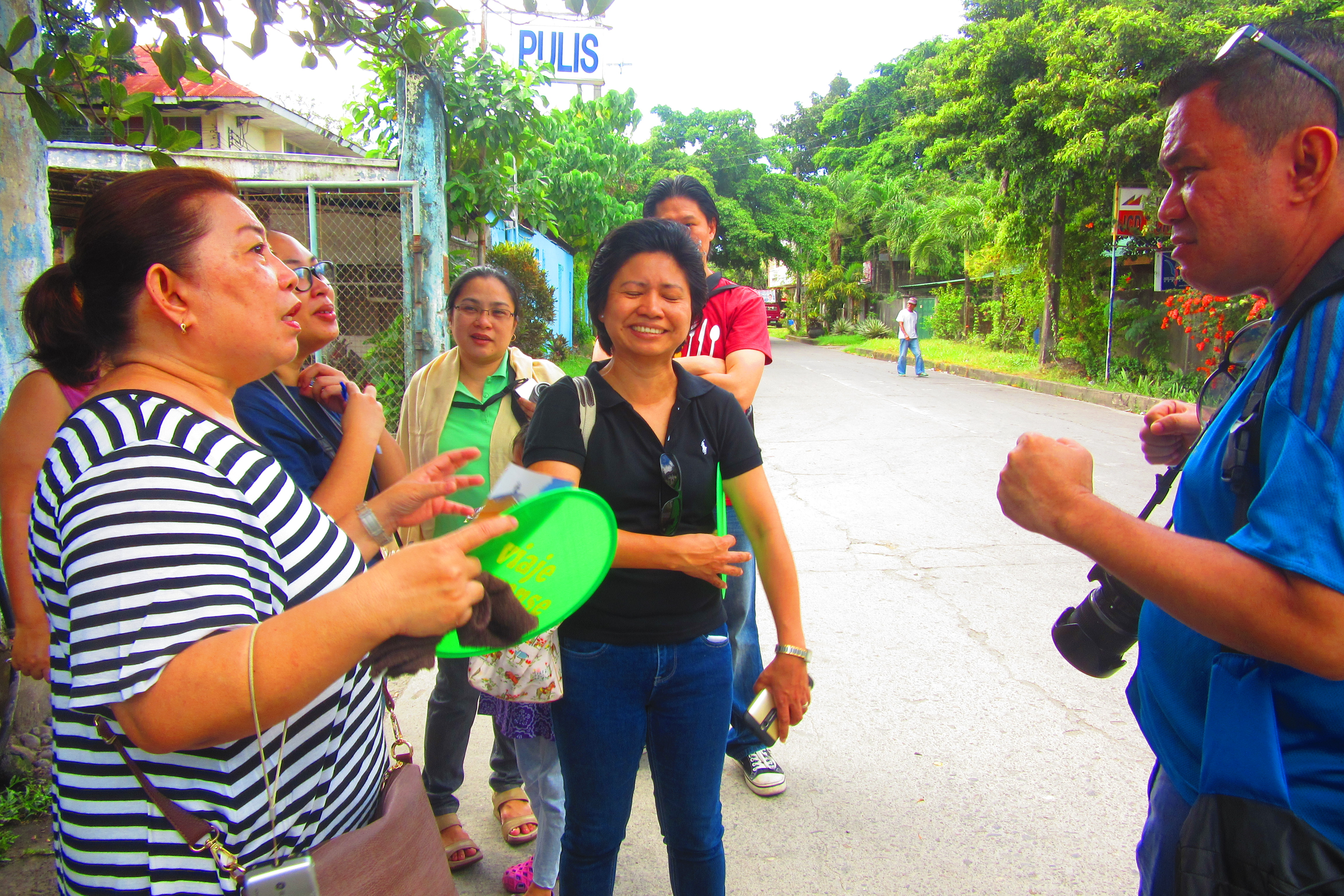
Aside from the perfect weather, this Silay City heritage walk became special because I shared the experience with fellow history enthusiasts from the Negros Blogging Society, Inc.. Walking through historic streets becomes more meaningful when shared with people who appreciate culture, architecture, and local history. Together, we explored Silay not only as visitors but also as storytellers documenting the city’s legacy.
Leading our group was Silay native Maritel Ledesma, a fellow Negrense Blogger who brought the city’s past to life through personal memories and family stories. She shared fascinating details that were not found in history books, giving every ancestral house a deeper meaning. Through her stories, these old structures transformed from mere buildings into living reminders of the people who once called them home.
Another Negrense Blogger, Maricar Dabao, helped organize the tour through her heritage travel company Viaje Negrense. Meanwhile, Silay City Councilor Solomon Locsin welcomed us to The Mansion and, together with Jose Montelibano, hosted our lunch at Balaring.
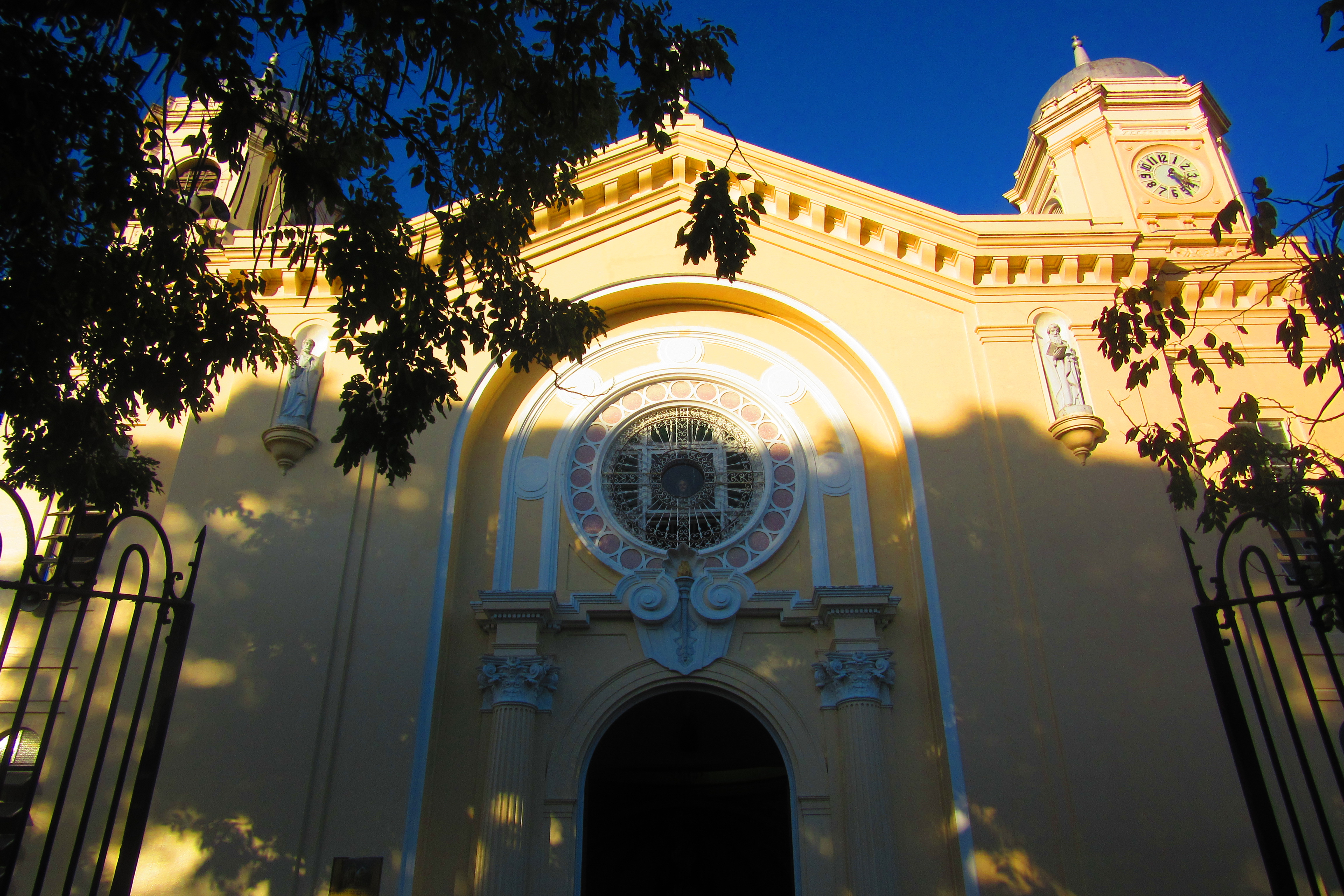
From the eastern side of Bacolod City, I traveled with Maricar and two other Negrense Bloggers to meet Doc Maritel and the rest of the group at the San Diego Pro-Cathedral. We followed the Bacolod-Silay Airport Road and reached our destination in about thirty minutes. The cathedral’s silver dome immediately caught our attention as it reflected the afternoon sun.
Discovering the Stories of San Diego Pro-Cathedral
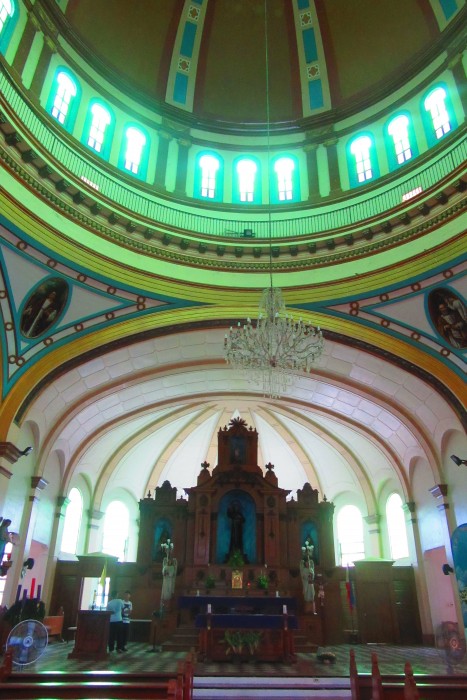
While waiting for the others, Doc Maritel guided us inside the church and showed us the names of people buried within the grounds. Although the parish traces its origins to the late 18th century, the present structure was completed in 1927. Over the years, renovations and expansions have transformed the cathedral while preserving its historical character.
Outside the church, we noticed the Catholic Women’s League marker dated 1962. This small detail served as another reminder that even seemingly ordinary features can reveal important chapters of a community’s history. Every corner of the cathedral carried traces of Silay’s religious and cultural journey.
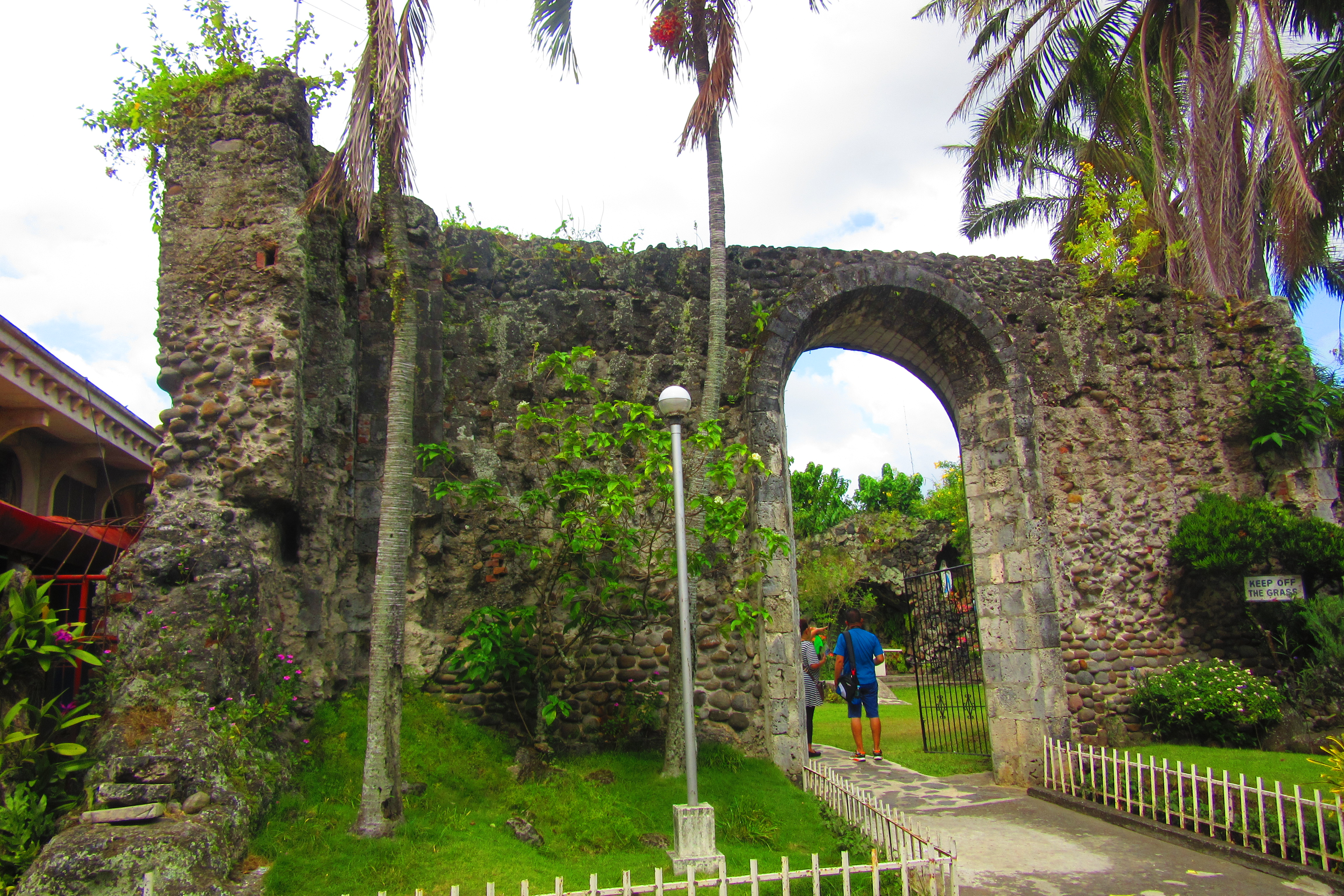
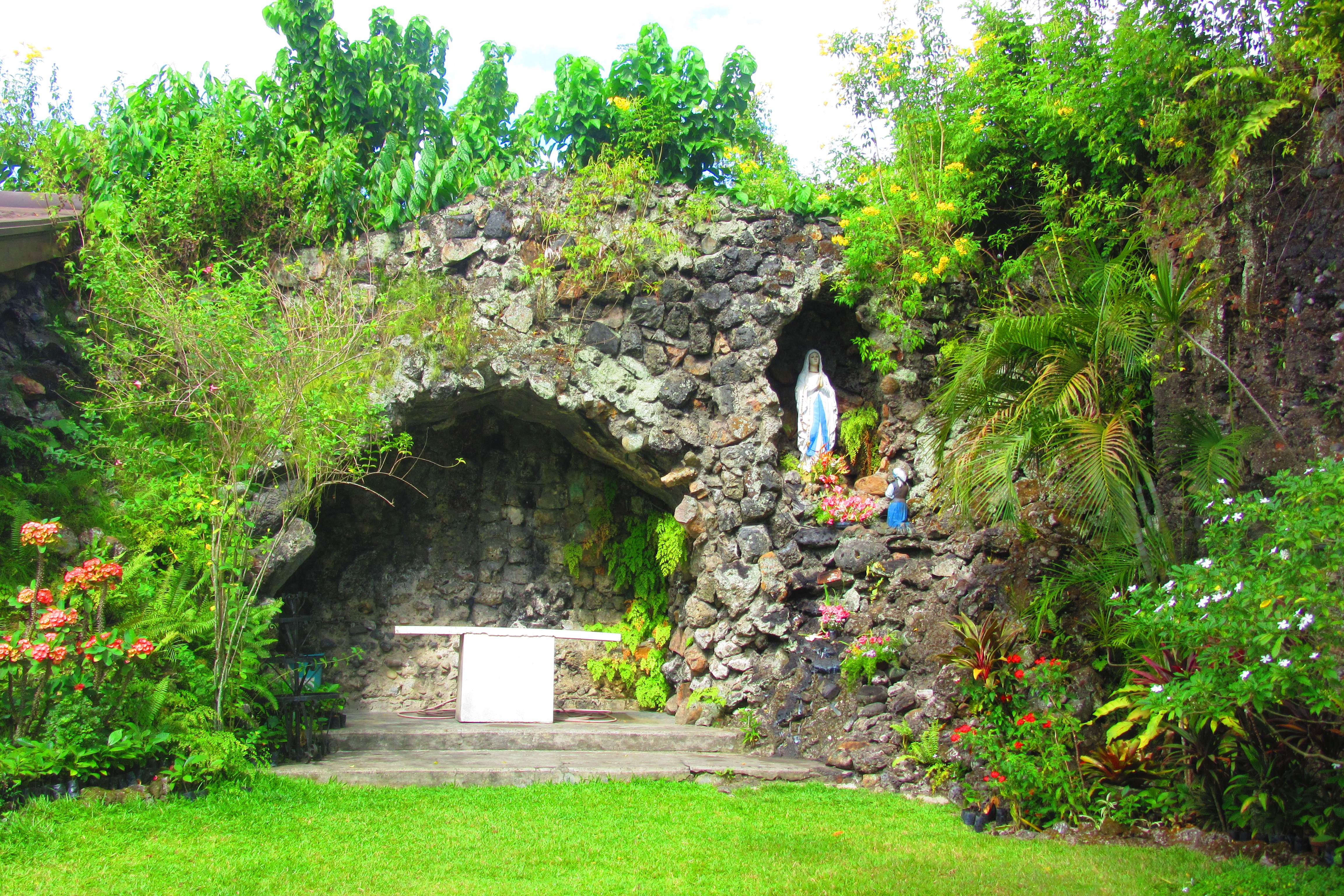
My fascination with the church’s history previously led me to create a Wikipedia entry about the San Diego Pro-Cathedral, which was later improved by other Wikipedians. However, my biggest surprise came when we discovered the ruins of the old structure behind the cathedral. Instead of leaving the ruins forgotten, the parish transformed the area into a peaceful Zen-inspired prayer room.
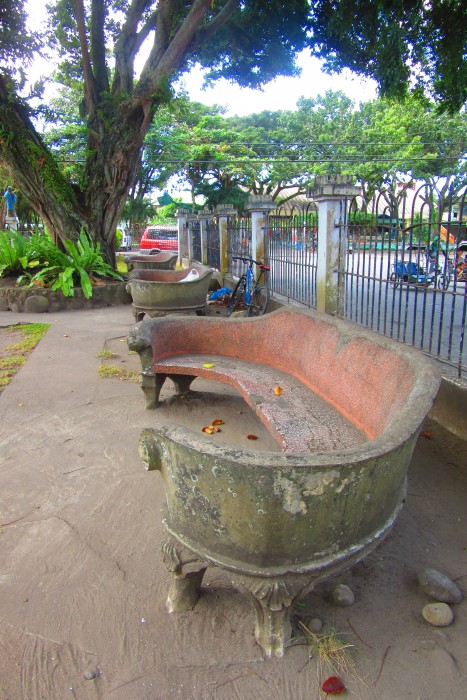
As we explored further, I discovered a small arch partially covered by cement. The words “Needle’s Eye” were engraved on the structure, adding another layer of mystery to the site. Nearby, old concrete benches remained sturdy and intact, reminding us that they once belonged to the original town plaza.
Walking Through Silay’s Historic District
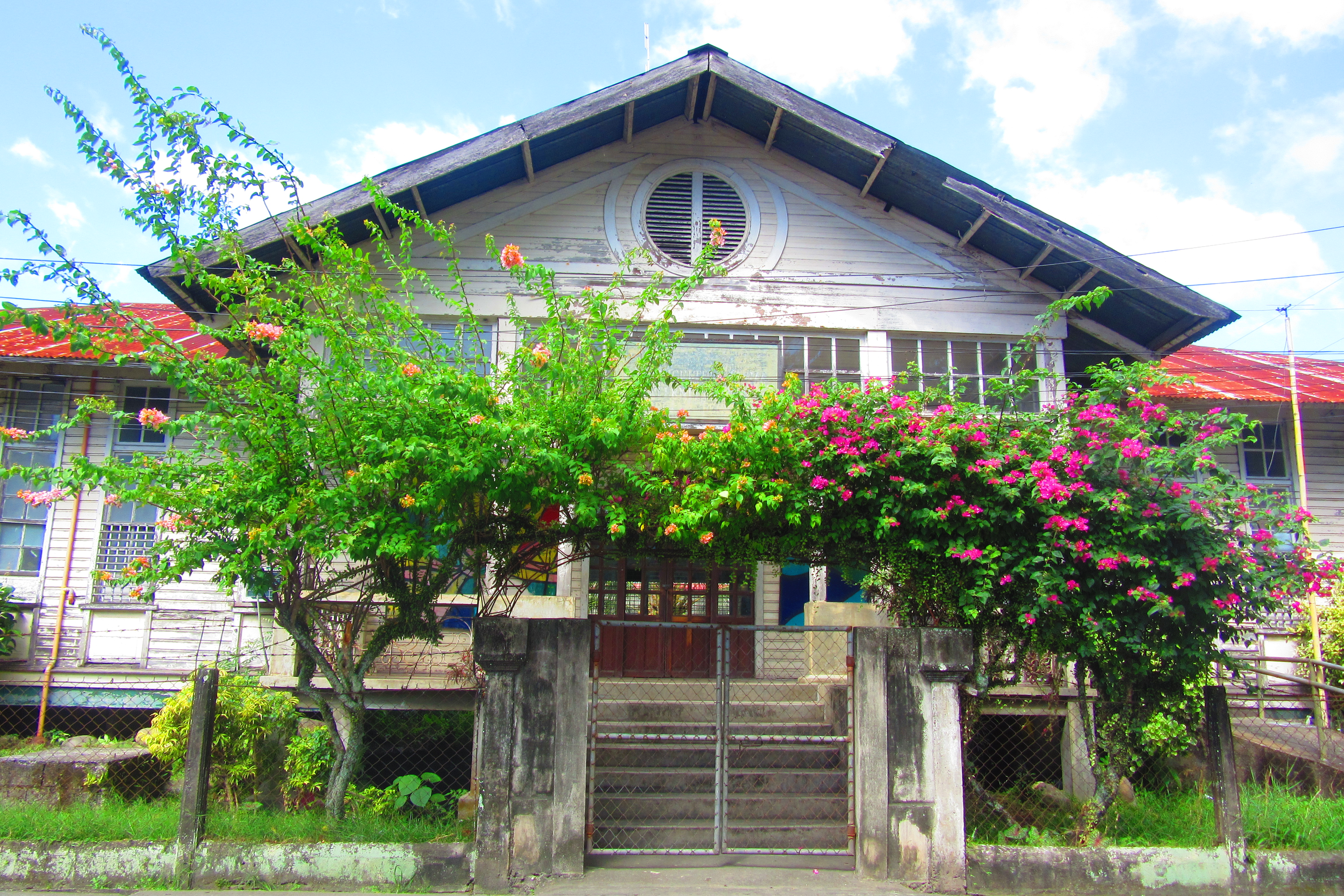
From the cathedral, we continued our Silay heritage walk toward the Old Silay Puericulture Center. Doc Maritel explained that the building once served as a hospital and had changed names several times depending on the government officials who managed it. Behind the structure was once a quadrangle that formed part of the old community layout.
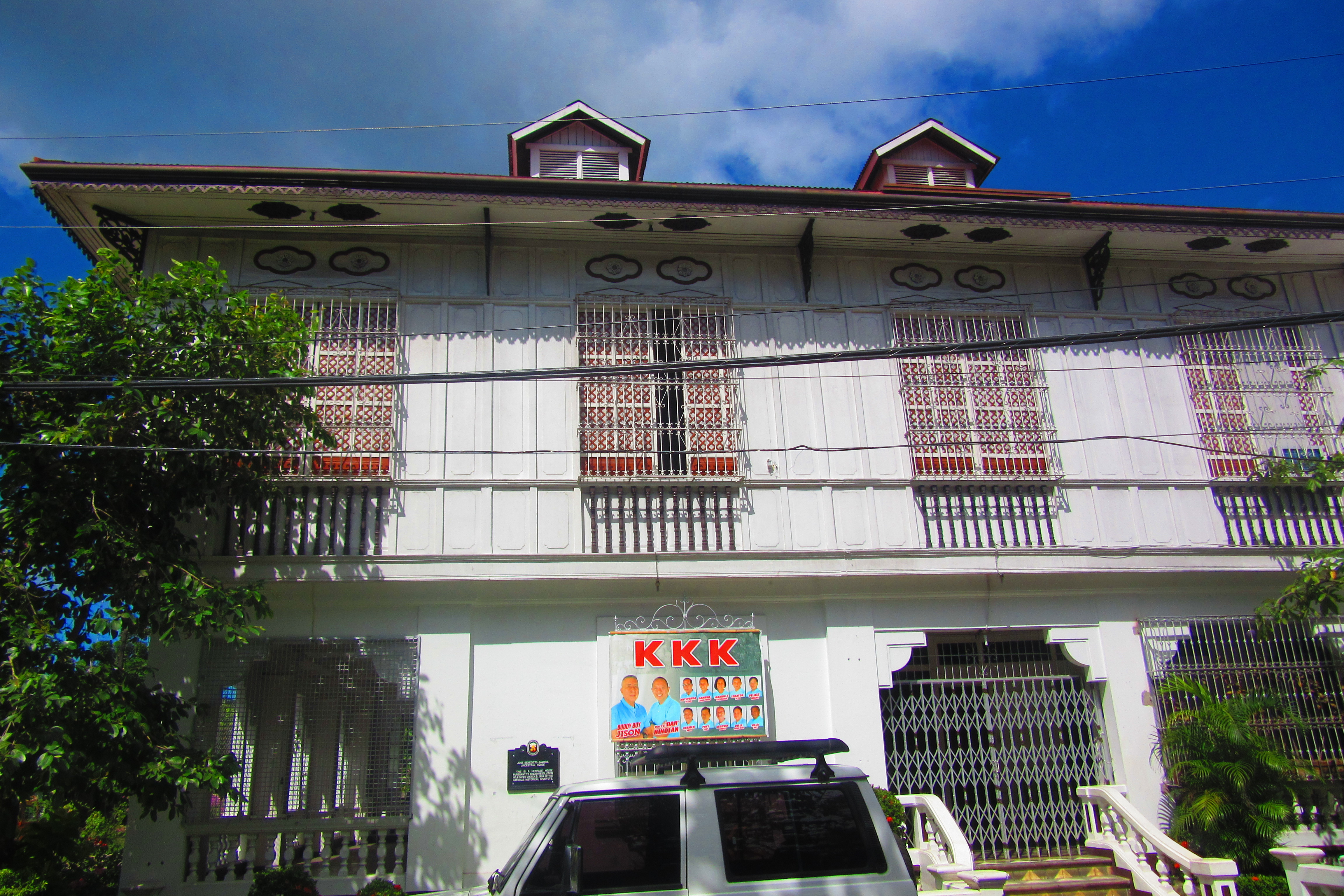
Across the street stood the Jose Benedicto Gamboa Ancestral House, a mansion that witnessed celebrations during Silay’s prosperous years. The elegant home also became one of the filming locations of the classic Filipino movie Oro, Plata, Mata. Its intricate eaves and two dormer windows reflected the craftsmanship of Silay’s old families.
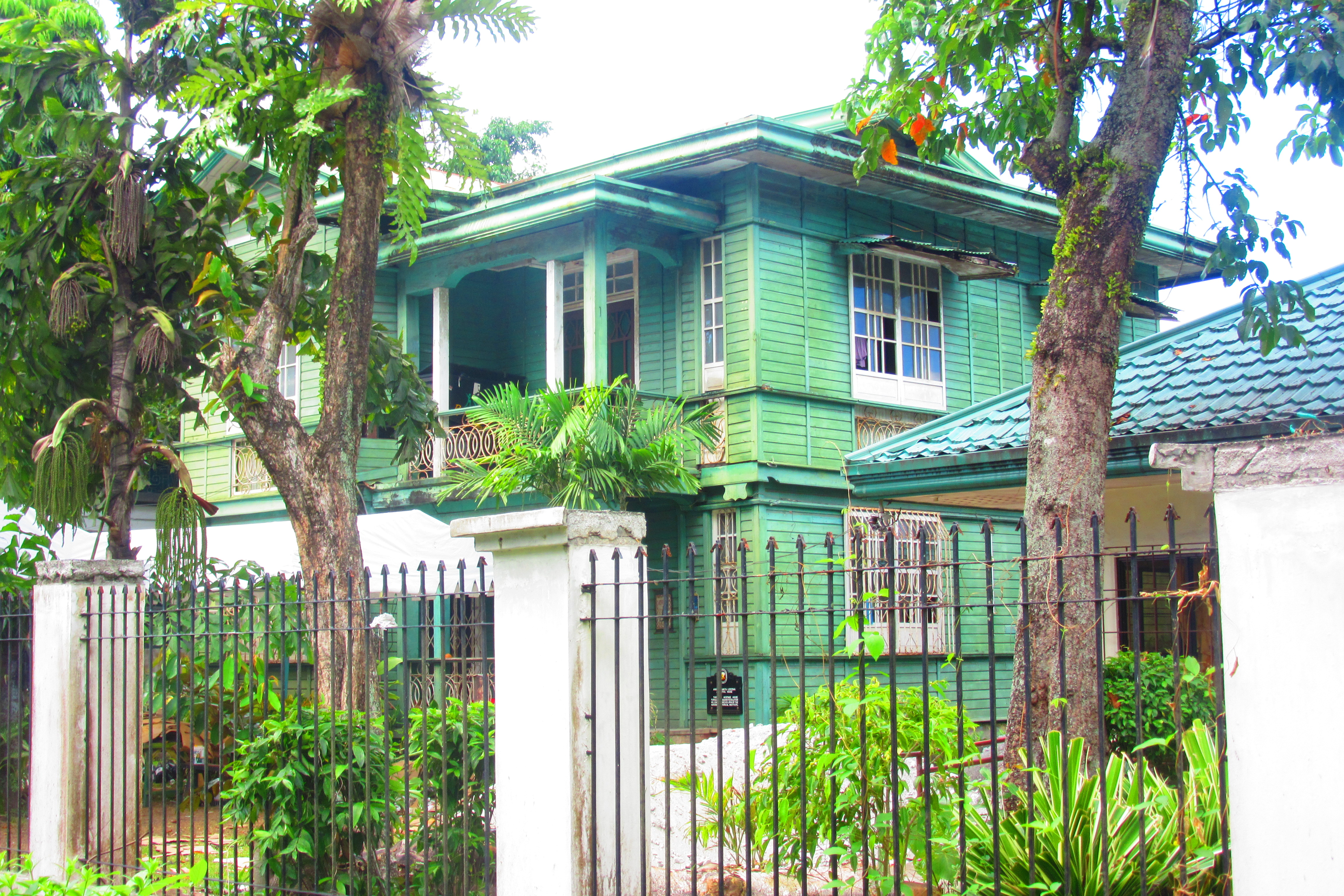
We continued toward the Angel Araneta Ledesma Ancestral House, more popularly known as the Green House. Unfortunately, we could not enter because workers were renovating the property, but Doc Maritel brought the house alive through stories of her childhood memories there. She shared how her family eventually sold the property, which later changed hands before becoming part of Silay’s heritage landscape.
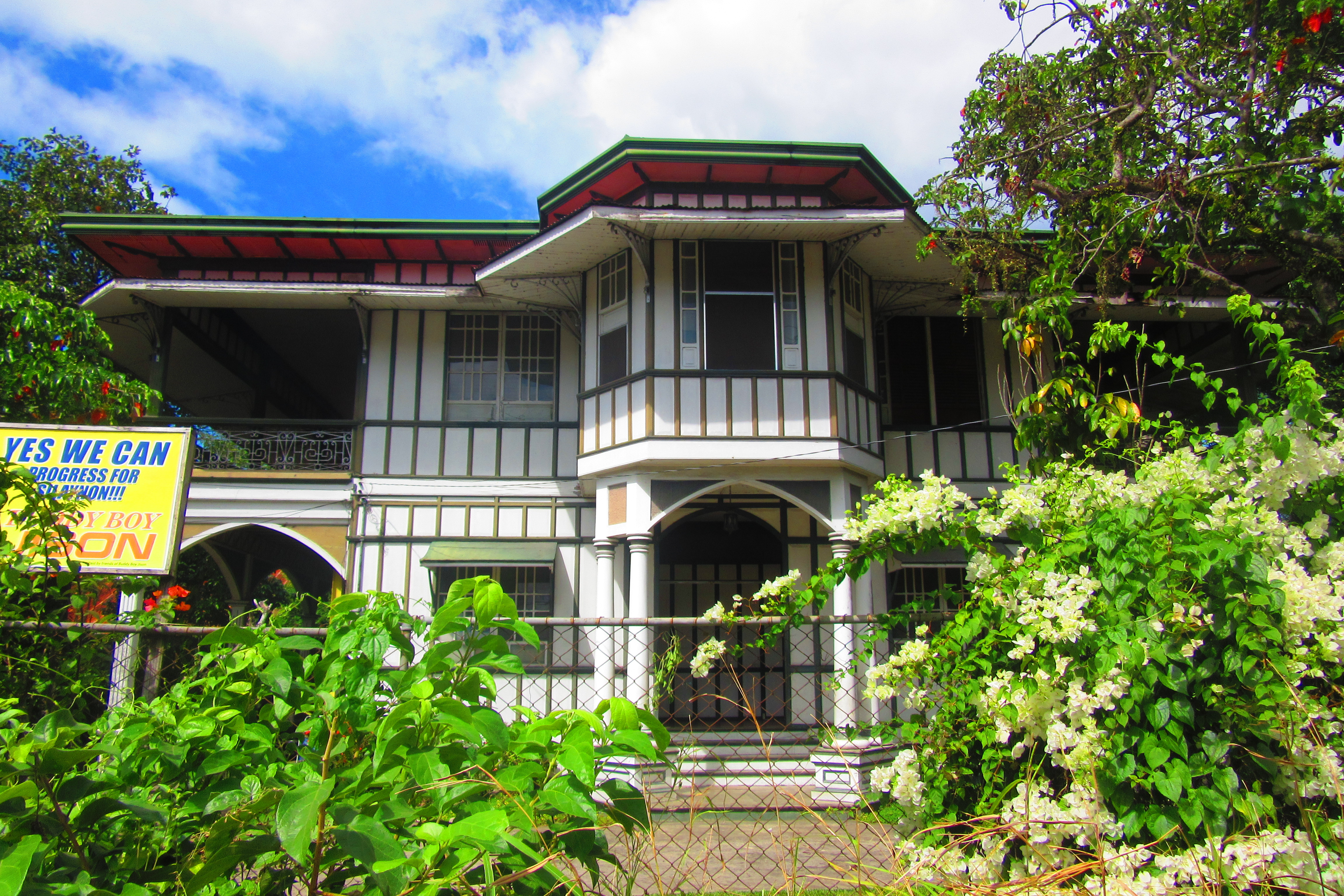
Beside the Green House stood the Alejandro Amechazura Ancestral House, another structure known for its beautiful architectural details. I had previously entered the house, but without enough historical stories connected to it, I was unable to create a written record about it. Through Doc Maritel’s memories, however, I learned more about the relationships and connections that existed among Silay’s old families.
Exploring Silay’s Government Buildings and Cultural Landmarks
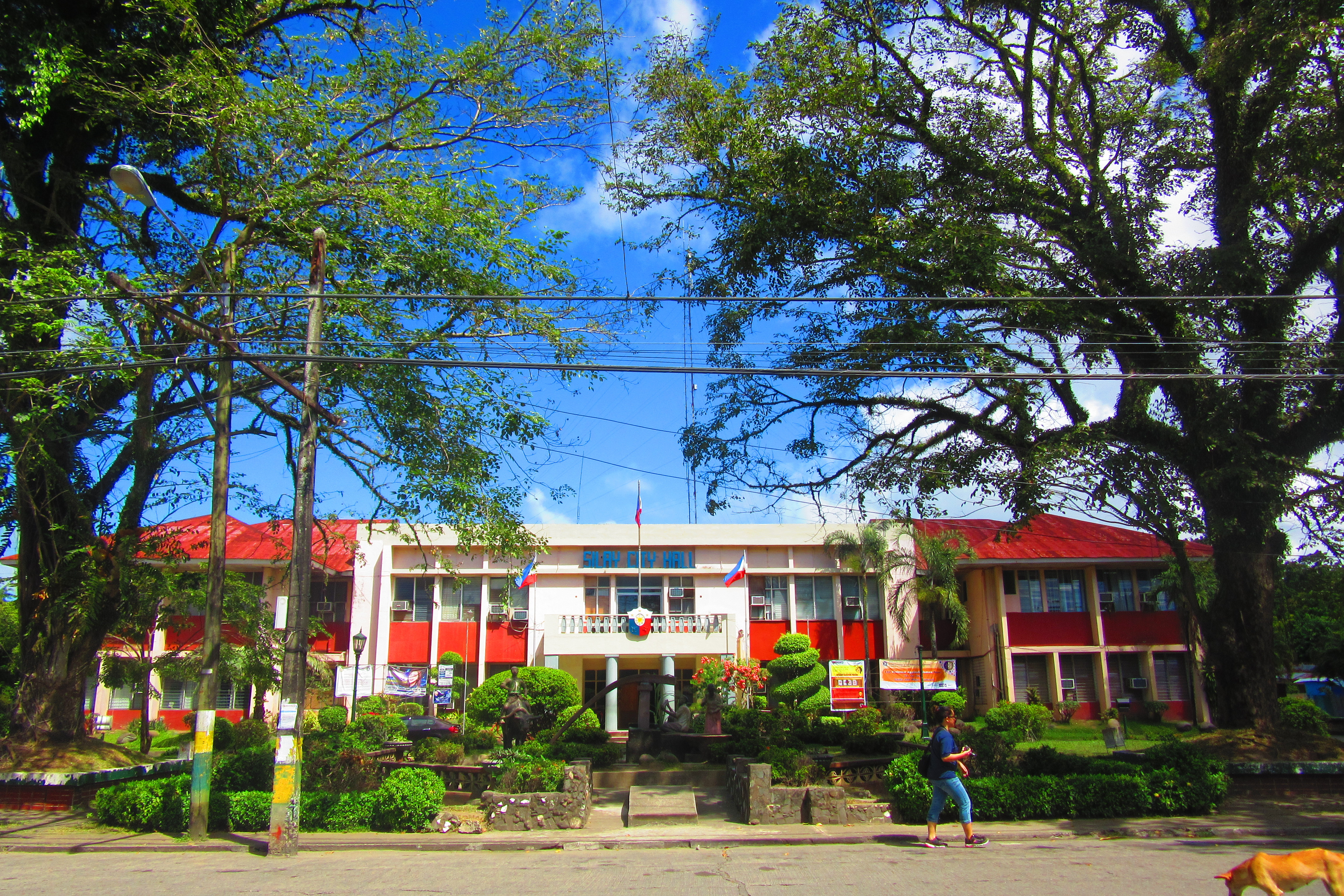
Our walk continued as we passed by the Silay City Hall, another heritage structure that reflected the city’s architectural character. Nearby stood the Sen. Jose C. Locsin Cultural and Civic Center, which once carried the name Rizal Cultural and Civic Center. A statue of Jose Rizal stood proudly outside the building.
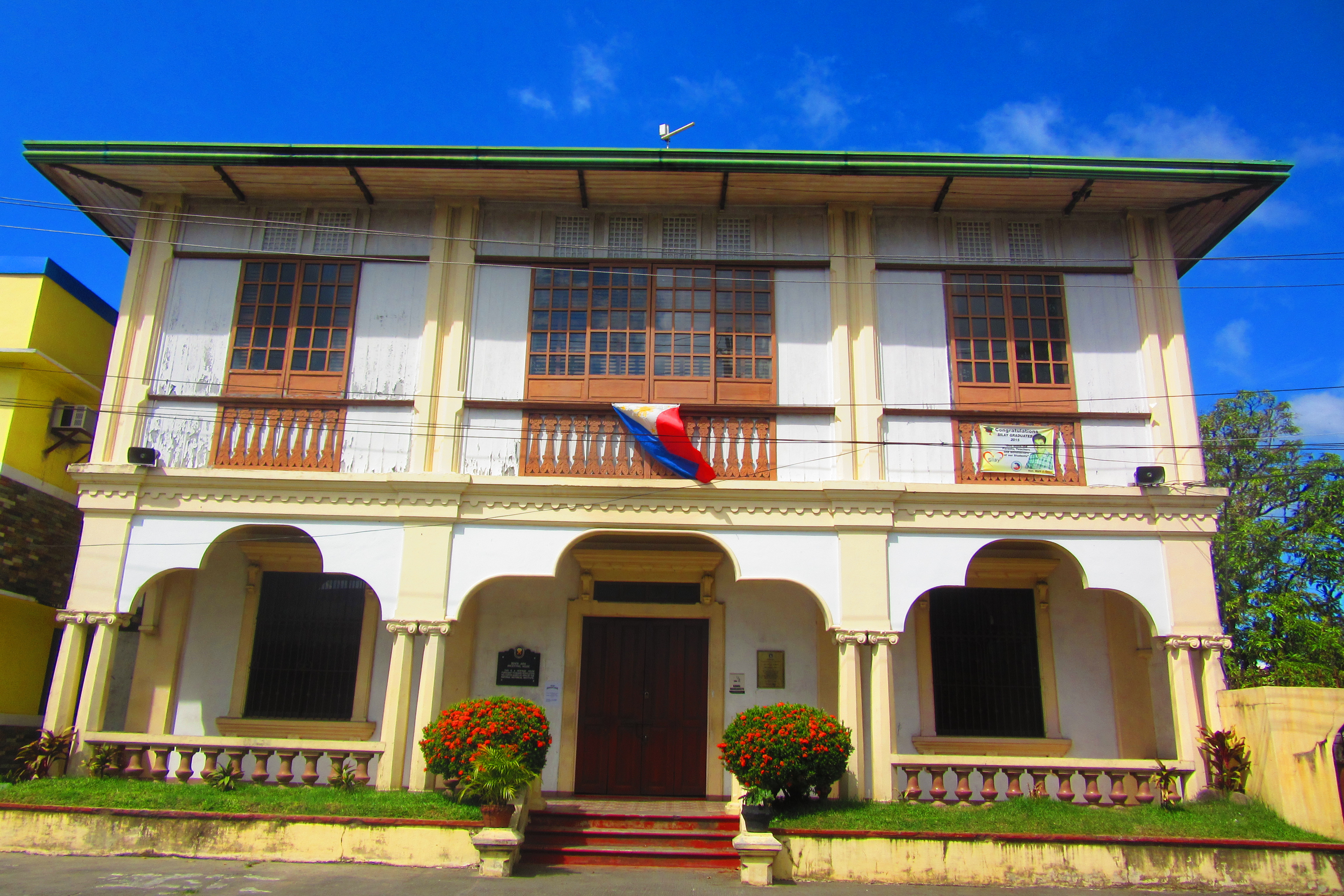
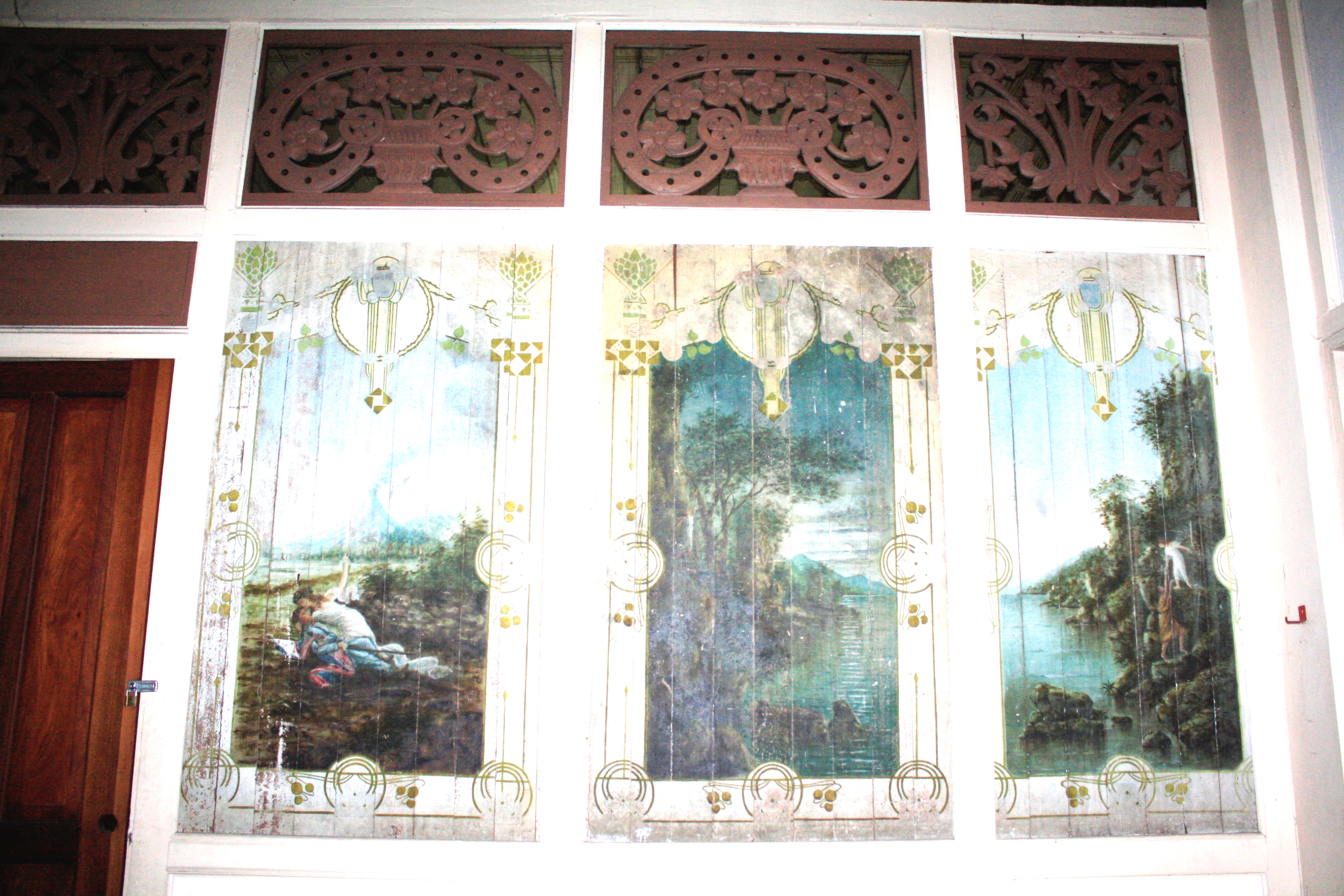
Across the street was the Benita Jara Ancestral House, now serving as the Sangguniang Panlungsod Building. Since our visit happened during a holiday, we could not enter the structure. However, I had previously explored its interiors during my volunteer work and admired its beautiful murals.
Doc Maritel explained that several changes had taken place inside the building, including the movement and rearrangement of its original panels. These alterations highlighted an important challenge in heritage preservation: maintaining historical authenticity while adapting structures for modern use. The balance between conservation and functionality remains a continuing conversation among heritage advocates.
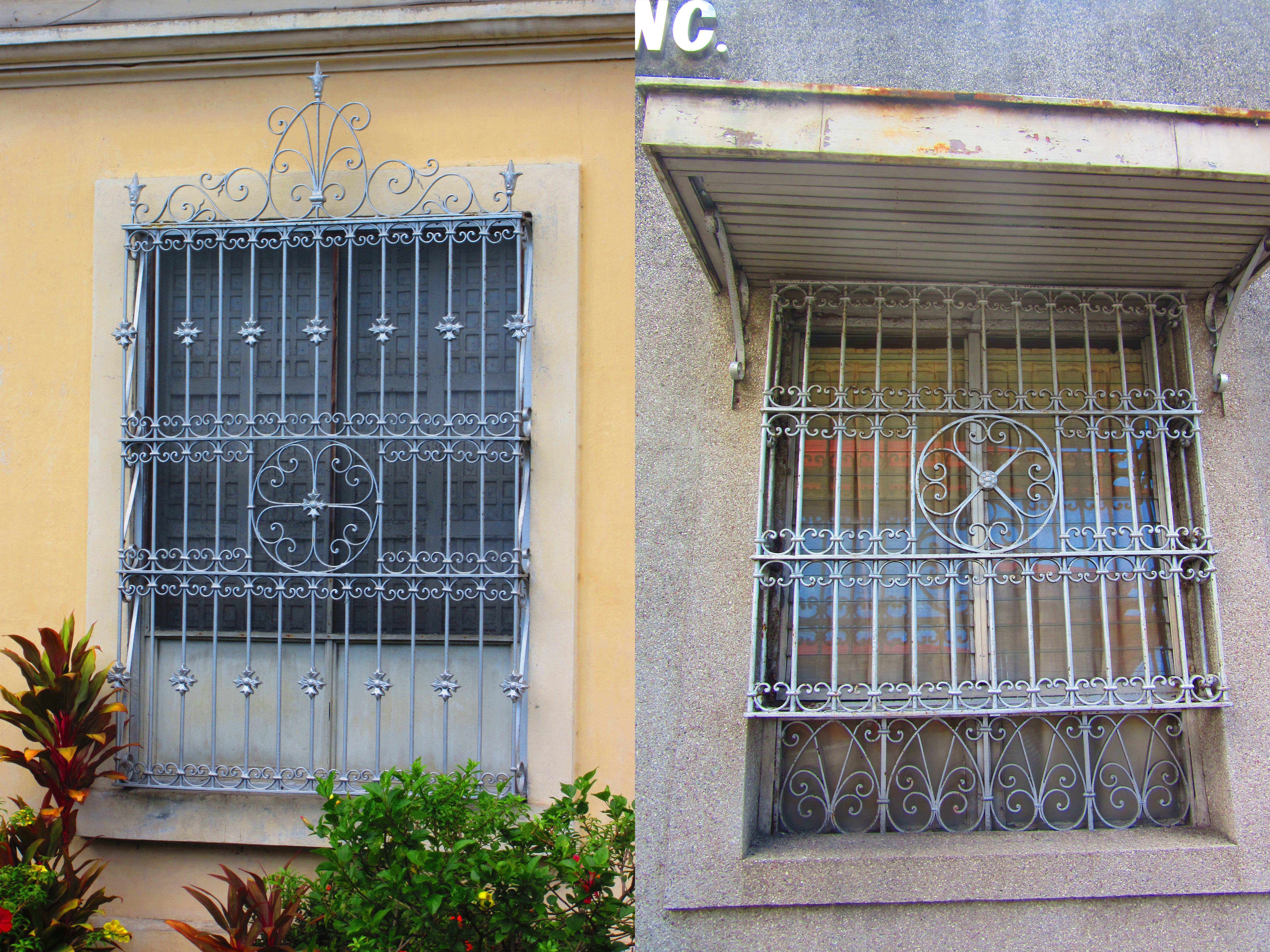
We then proceeded to the Delfin Ledesma Ancestral House. Across the street stood the Rural Bank of Silay City, and both buildings shared similar designs in their window grills, showing how architectural influences extended across neighboring properties.
Continuing the Journey Through Silay’s Ancestral Homes
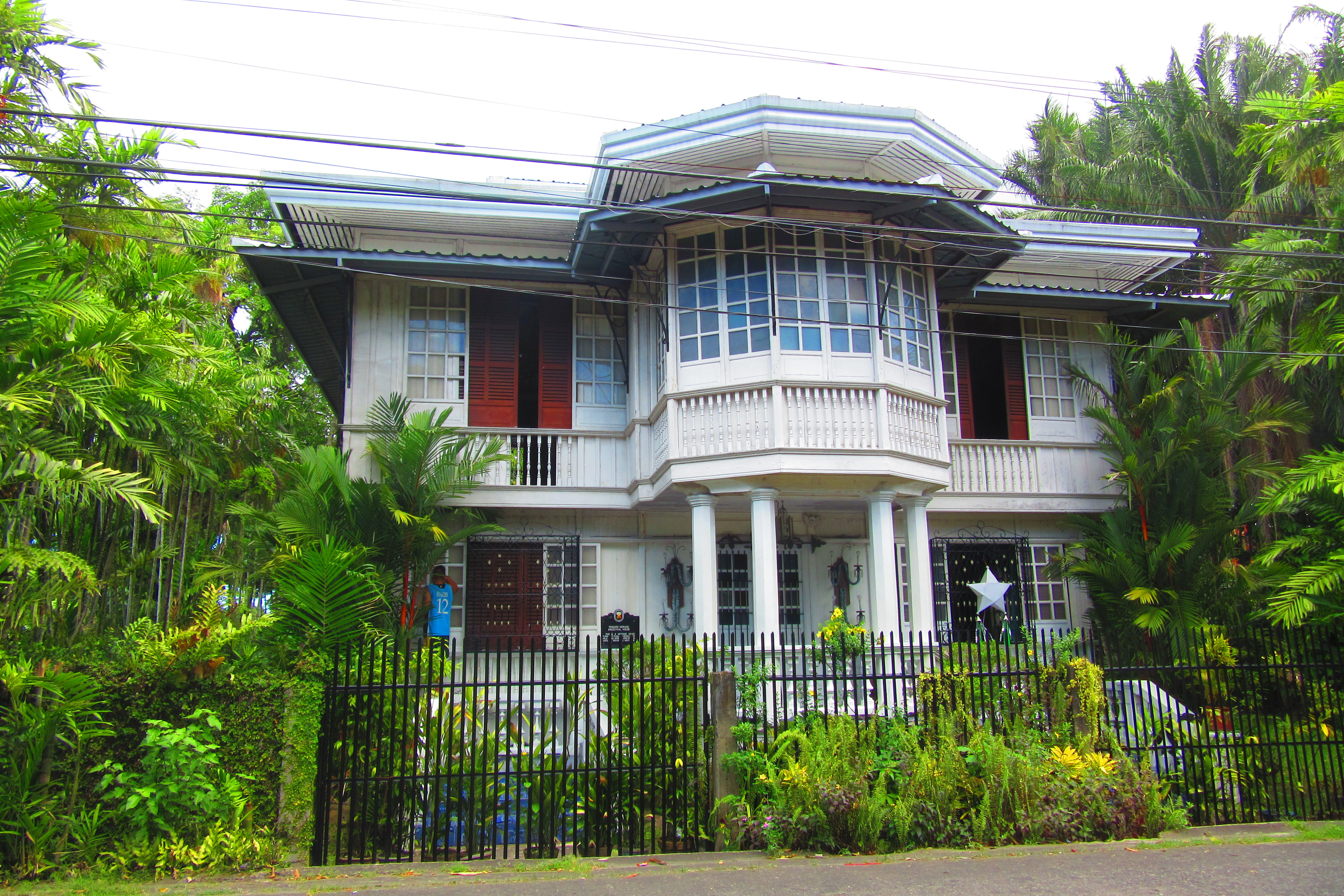
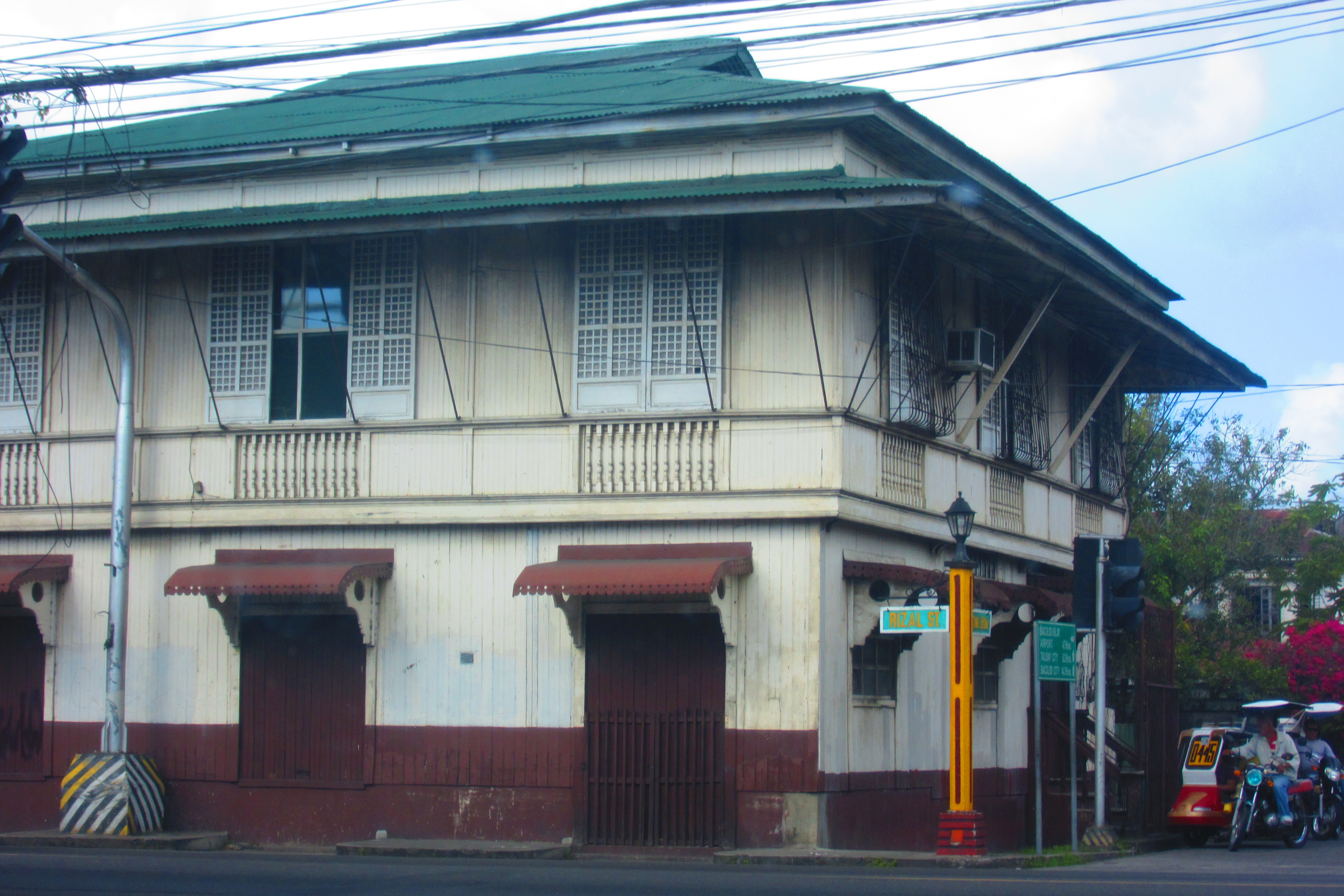
After visiting the Delfin Ledesma Ancestral House, we continued our walk toward another remarkable landmark, the Teodoro Morada Ancestral House. Located at the corner of the block, the house reflected the elegance and attention to detail that characterized many ancestral homes built during Silay’s prosperous years. Each structure we passed seemed to reveal another chapter of the city’s fascinating history.
Across the street, we saw the Cinco de Noviembre Monument, which commemorates the Negros Revolution of 1898. The monument serves as a reminder of the courage and unity of Negrenses who fought for freedom during a significant moment in Philippine history. Standing beside these old houses made the connection between architecture and history even more apparent.
A few blocks away, we reached the area where the Digna Locsin Consing Ancestral House and the famous Balay Negrense stand. These landmarks represent the grandeur of Silay’s sugar era, when prominent families built elegant homes that showcased their success, artistry, and way of life. Today, they continue to welcome visitors who want to understand the city’s cultural heritage.
One of the most fascinating stops during our walk was the Generoso Gamboa Twin Ancestral Houses. The two homes looked almost identical, standing as mirror images of each other along the street. Yet despite their similarities, each house carried its own story, making them one of Silay’s most interesting architectural treasures.
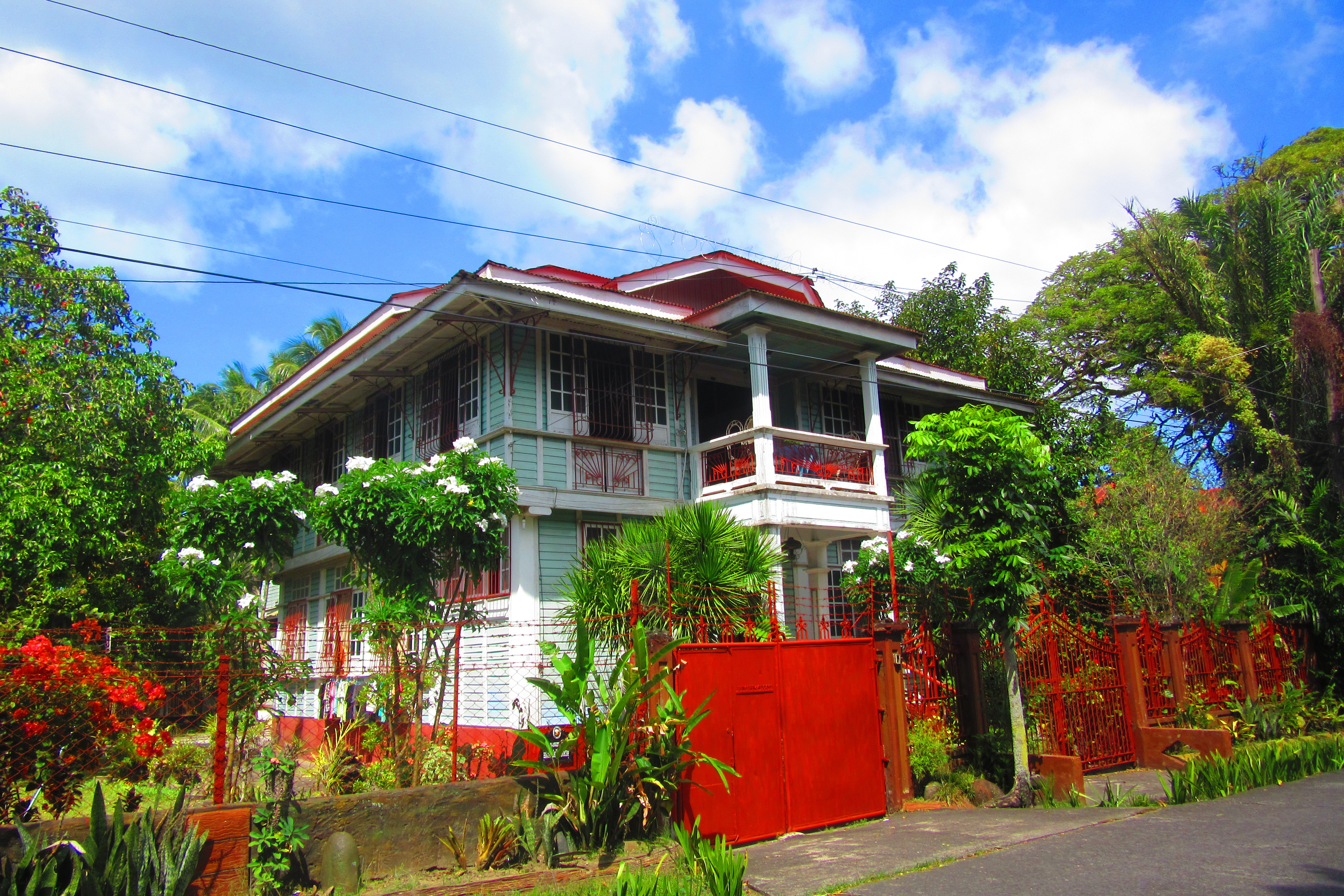
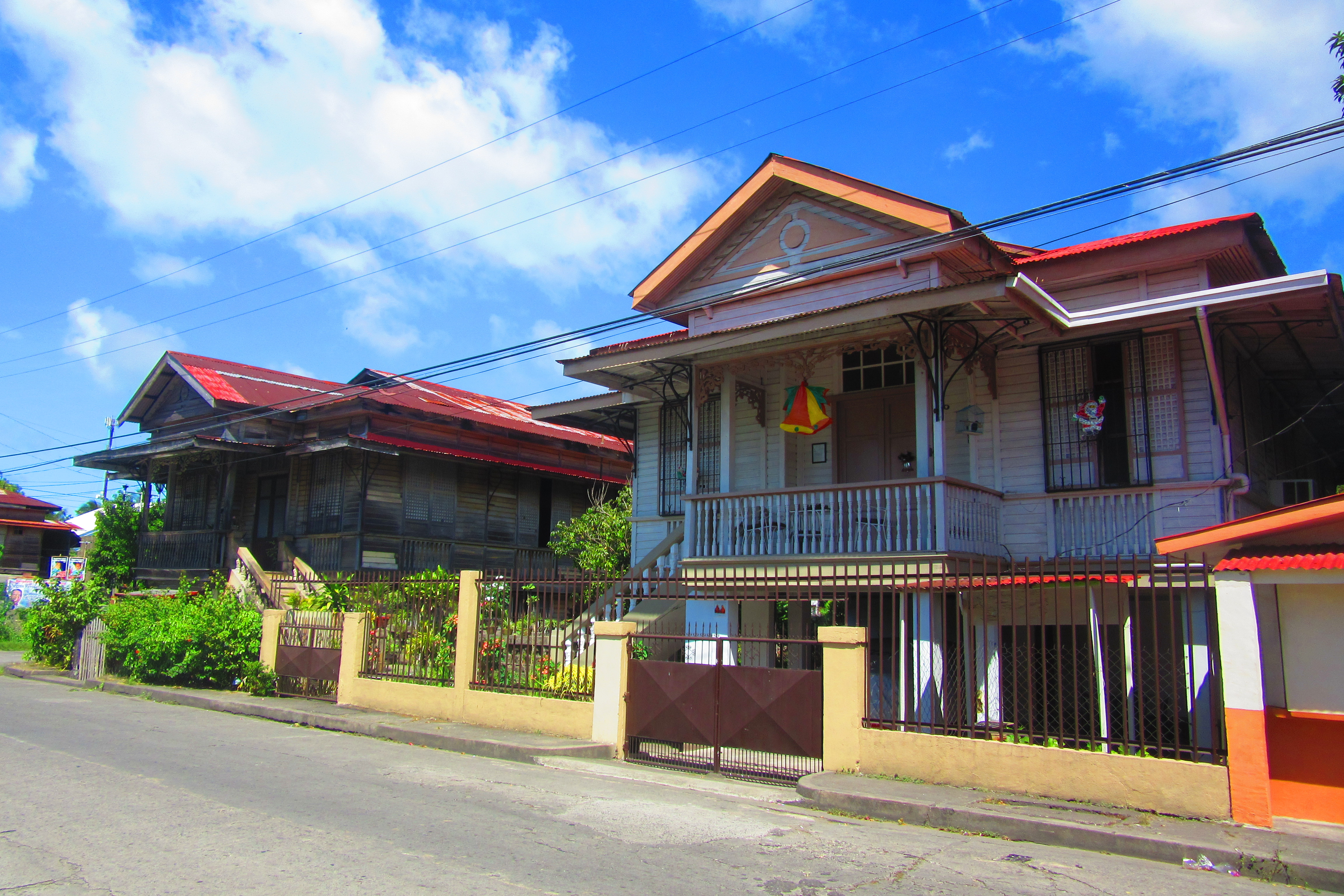
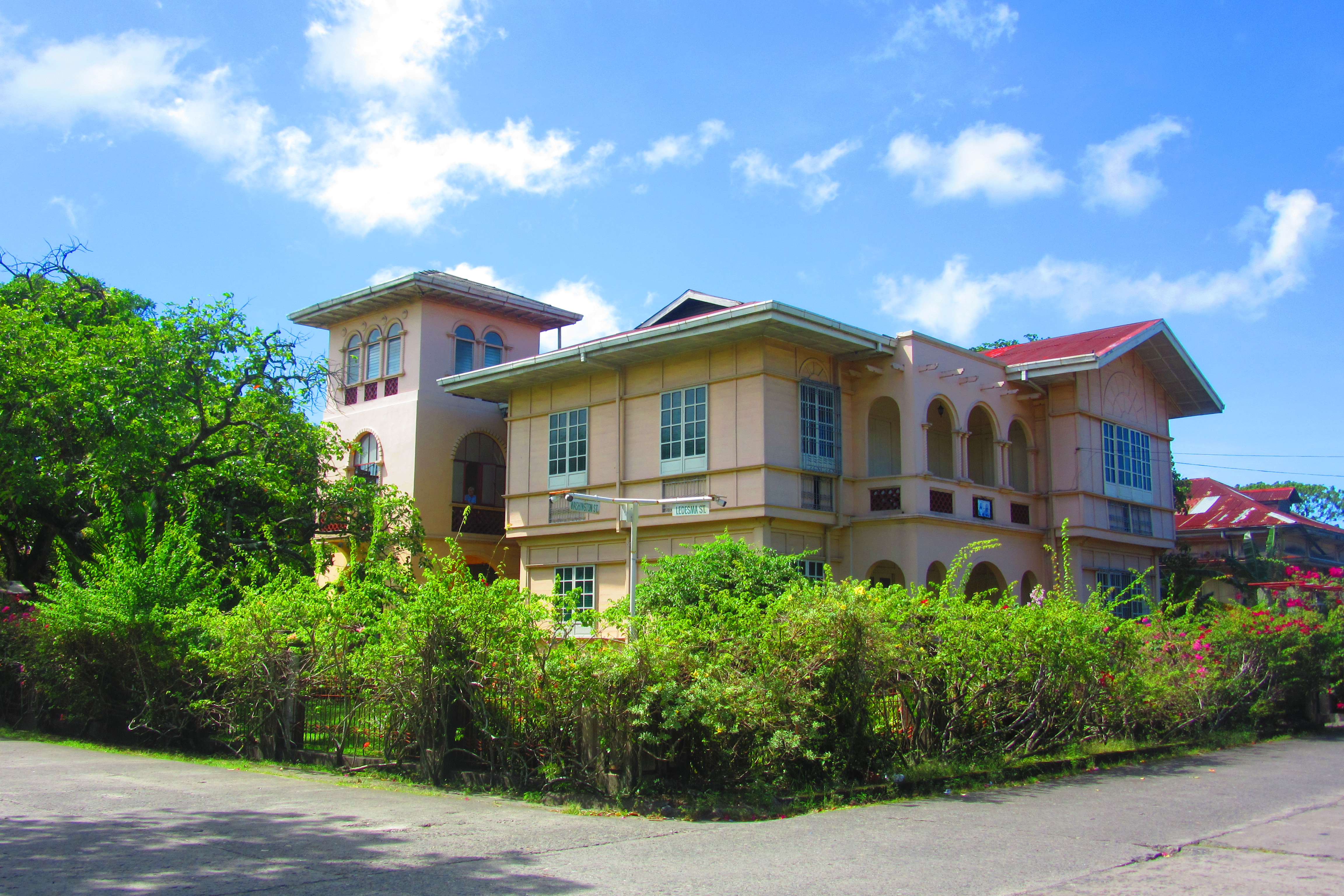
The surrounding area along Ledesma Street revealed even more examples of Silay’s historic residences. The mansions of the Locsins and Ledesmas stood as reminders of families whose influence shaped the city’s social, economic, and cultural landscape. At one corner was the Sen. Jose Corteza Locsin Ancestral House, beside it was the Jose Ledesma Ancestral House, while behind it stood the Antonia dela Rama Locsin Ancestral House.
A Well-Deserved Pause at Balaring
After spending the morning walking through Silay’s heritage district, we took a much-needed break for lunch at Balaring. The seaside destination offered a refreshing change of scenery after exploring historic homes and old streets under the afternoon sun. The cool breeze from the sea provided the perfect setting for conversations, laughter, and sharing stories from our heritage adventure.
Our lunch at Balaring deserves its own story because the experience was more than just about food. It was a celebration of friendship, local flavors, and the beauty of Negros’ coastal communities. After enjoying the meal, we continued our journey to discover more of Silay’s remaining heritage treasures.
Rediscovering More Silay Heritage Houses Along the Highway
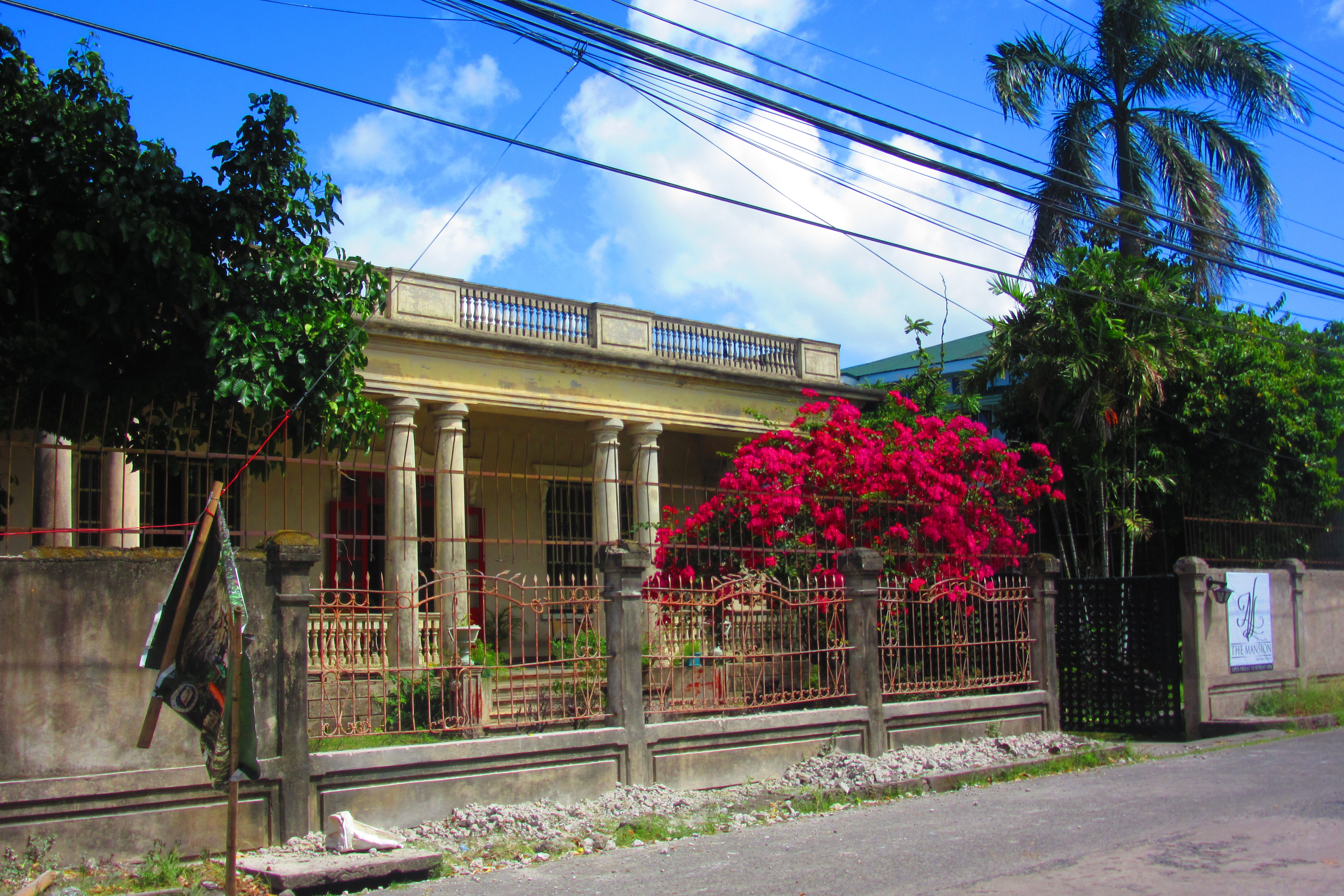
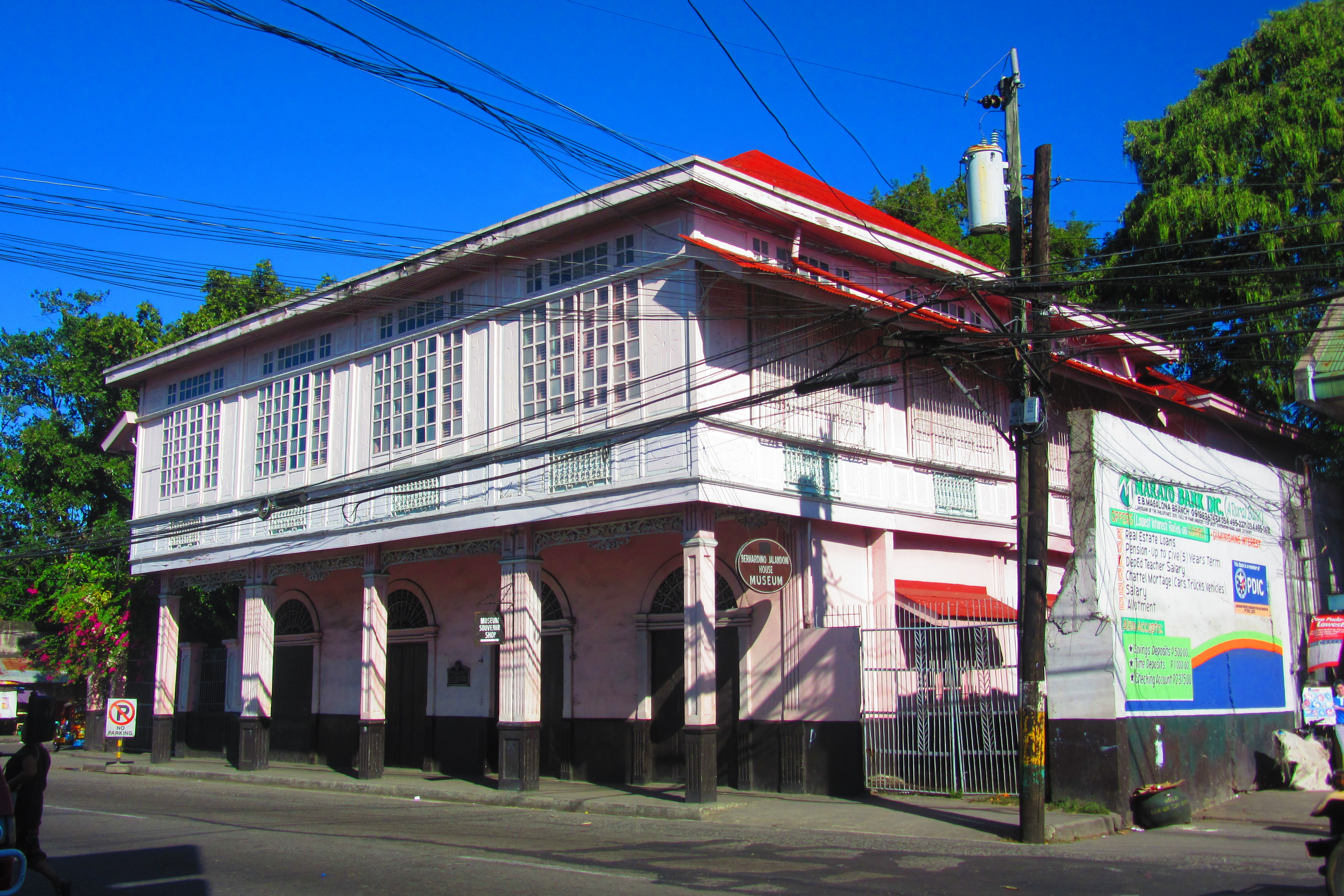
After lunch, we returned to our heritage exploration and drove through more streets lined with historic structures. One of the landmarks we passed was the Don Bernardino Jalandoni Museum, popularly known as the Pink House. I had already explored the museum before, but seeing it again reminded me why it remains one of Silay’s most beloved heritage sites.
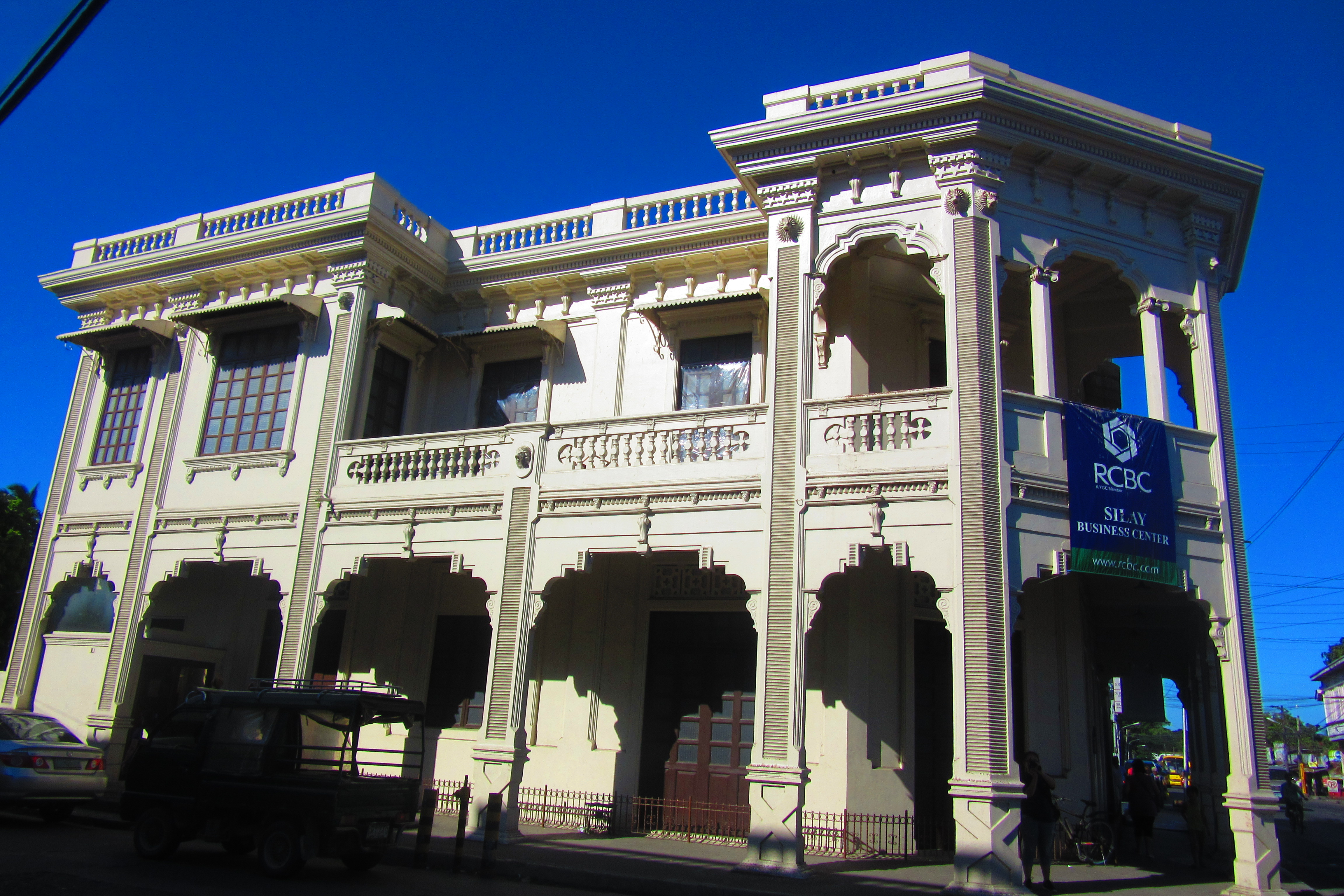
Across the highway stood the Maria Golez Ancestral House, which now houses RCBC, and the Lino Lope Severino Ancestral House, which has been adapted into a commercial establishment. These buildings demonstrate how heritage structures continue to serve modern purposes while retaining their historical identity.
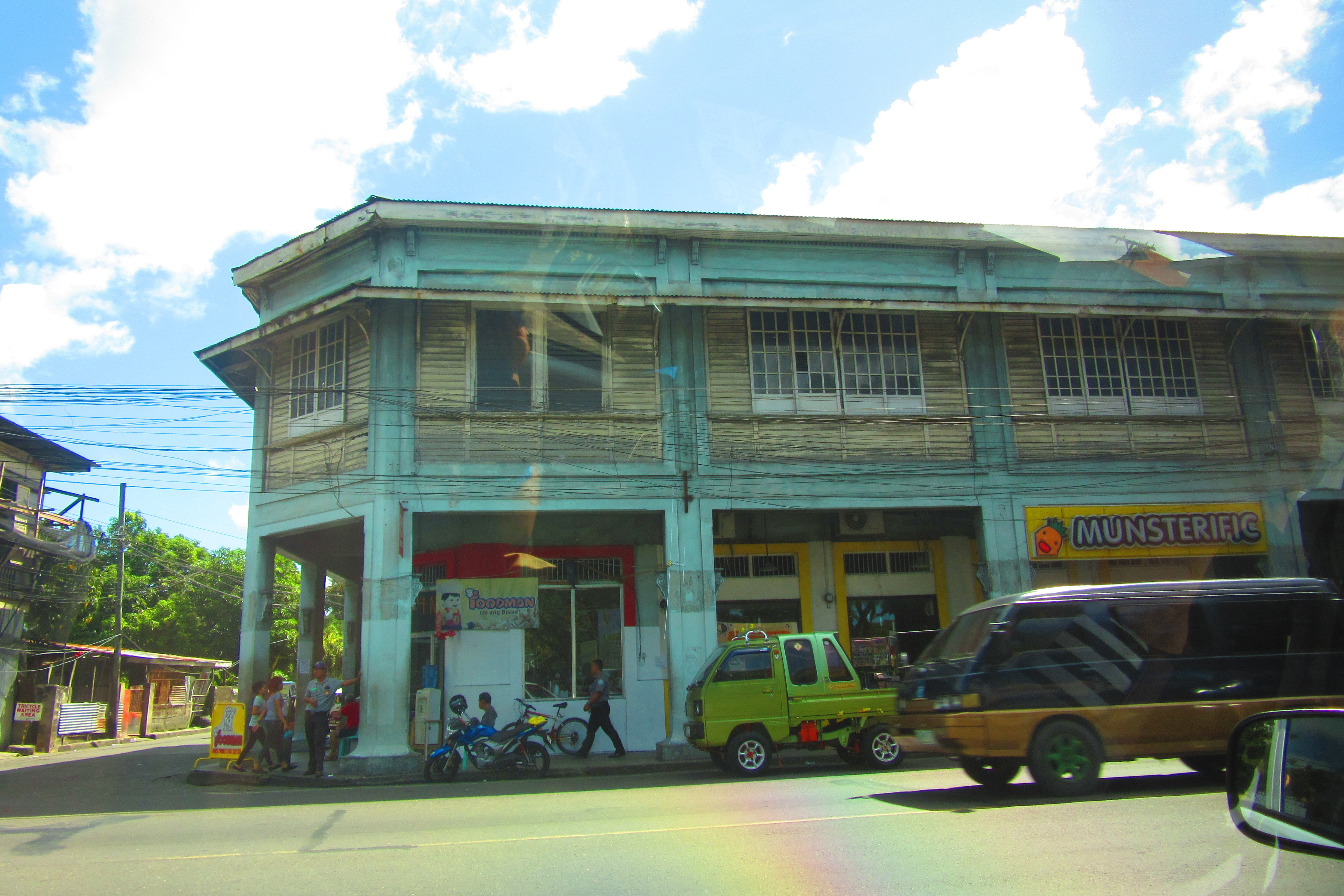
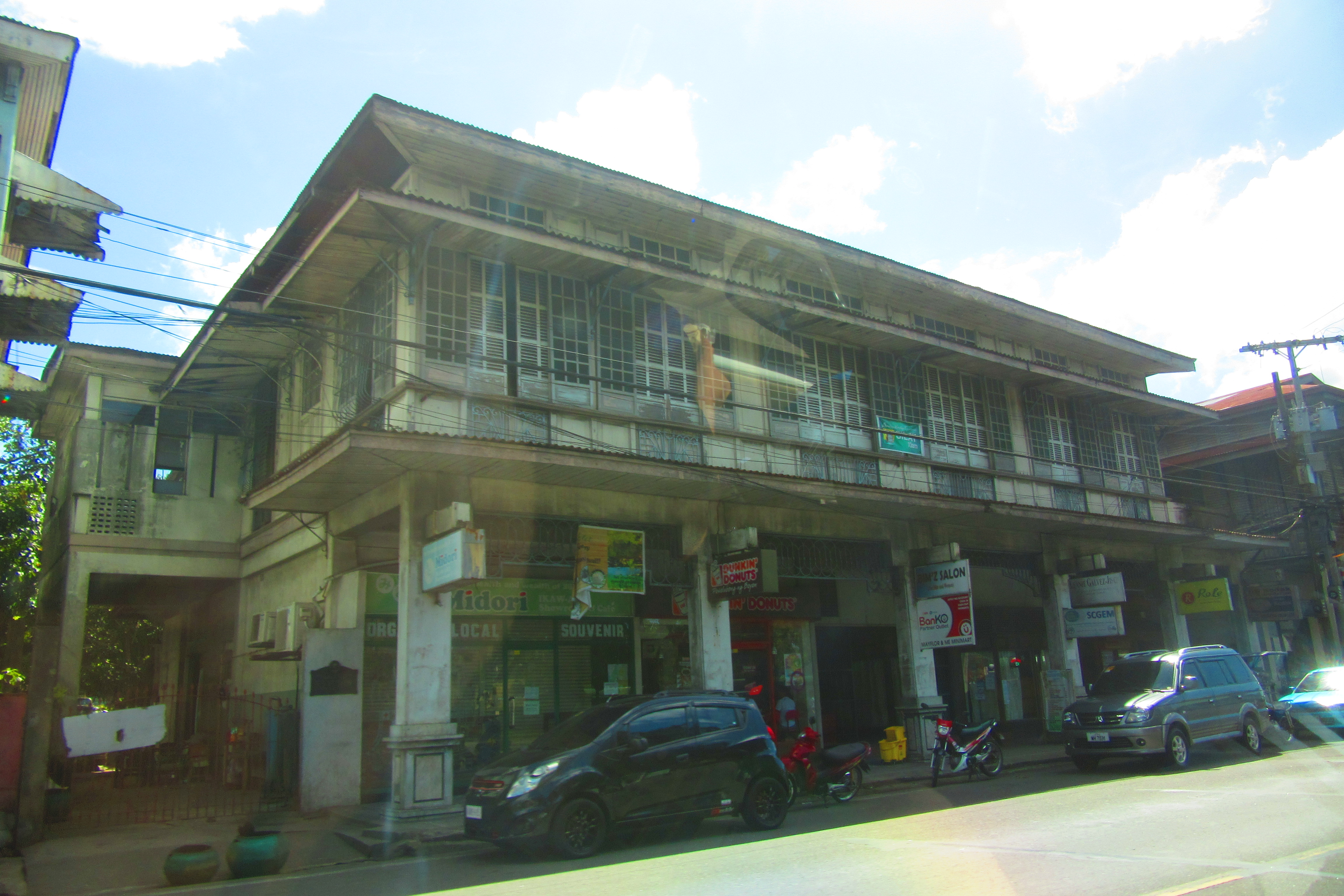
However, many ancestral homes along the highway have undergone similar transformations. Structures such as the Josefita Tionko Lacson Ancestral House, the Manuel dela Rama Locsin Ancestral House, and the House of Antonio Novella Siam now serve new functions. While adaptive reuse allows these buildings to survive, it also highlights the importance of carefully preserving their original character.
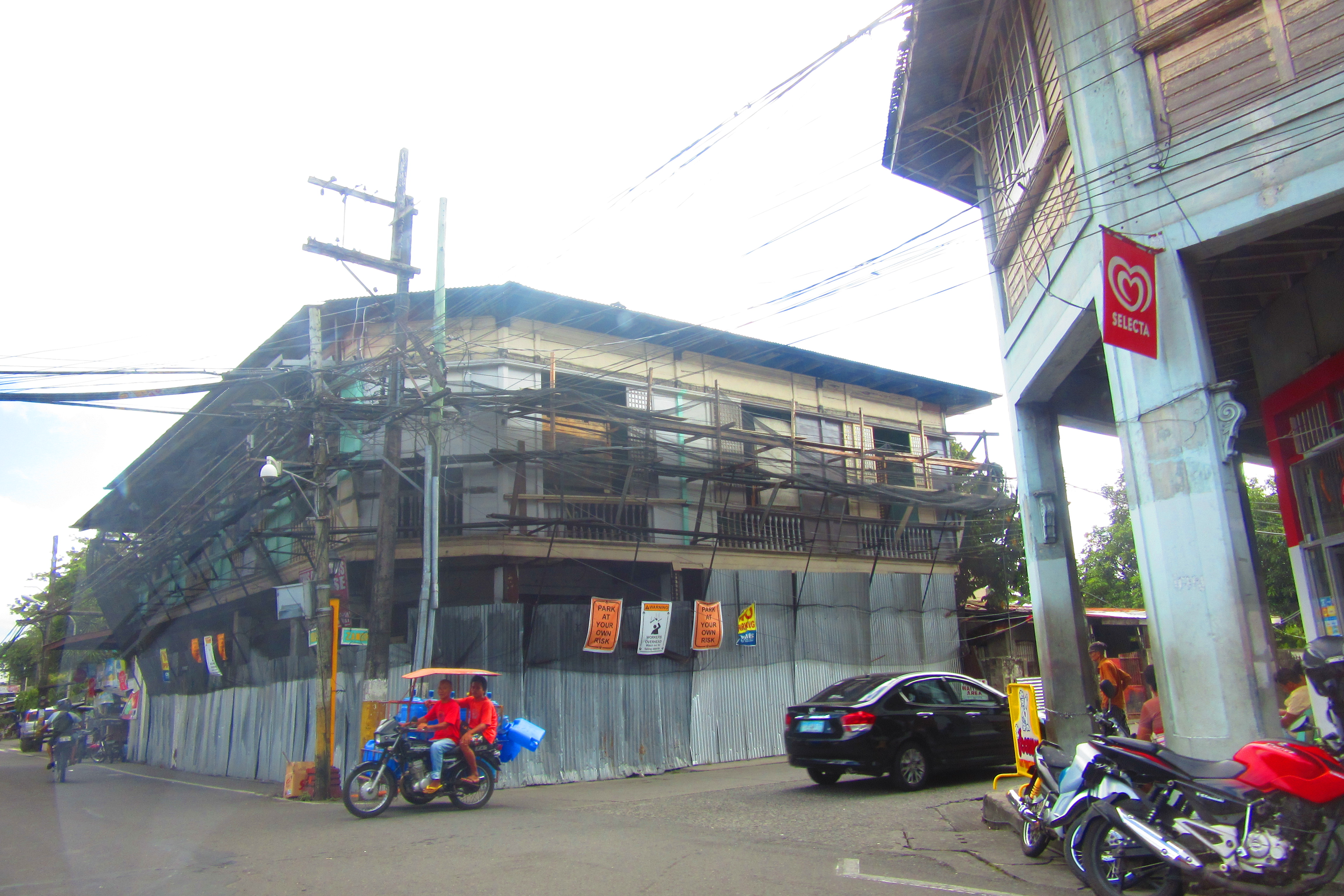
We also passed by the Kapitan Mariano Montelibano Ancestral House, better known as Kapihan, which was undergoing renovation with government assistance. The restoration project offered hope that another important piece of Silay’s history would continue to stand for future generations.
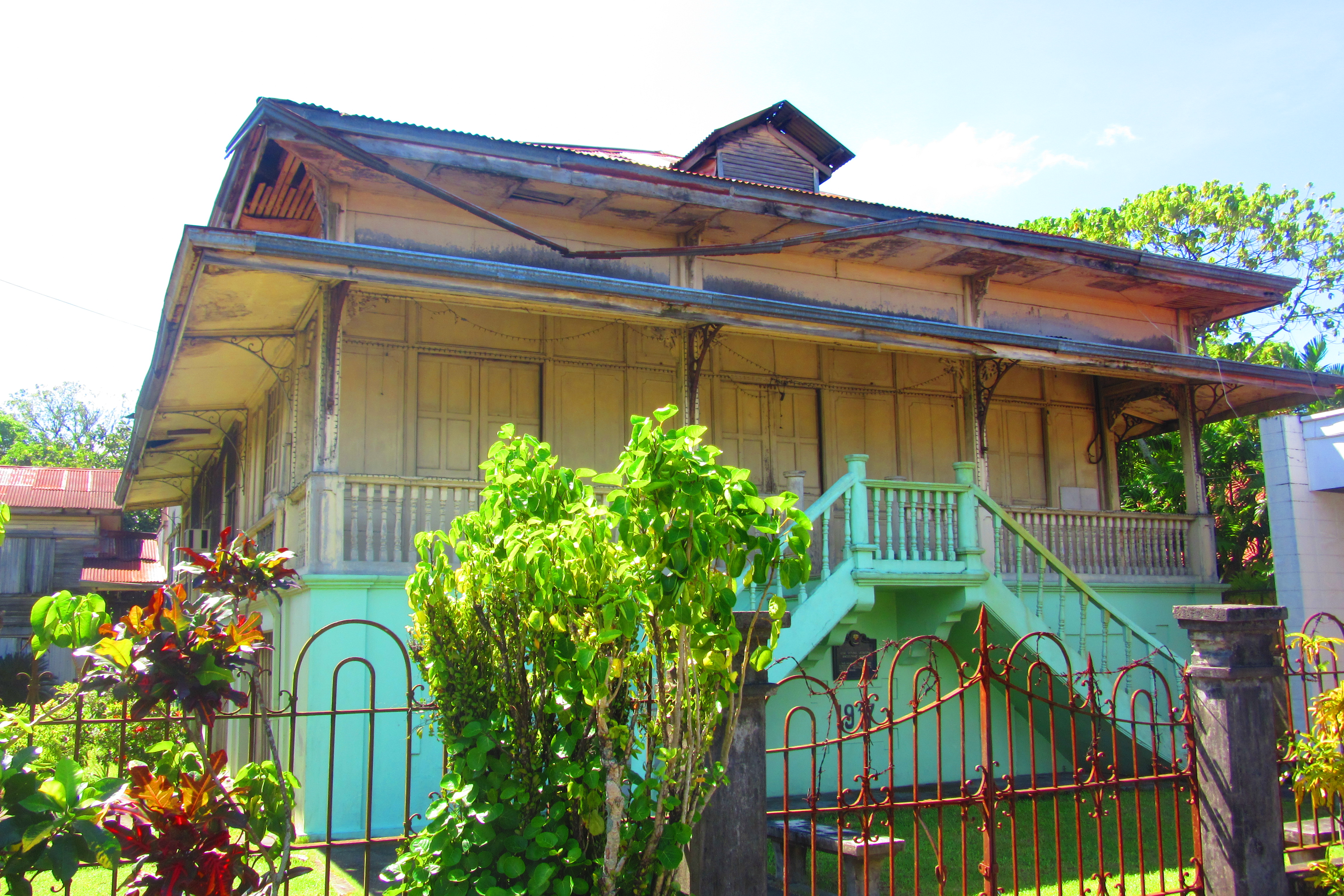
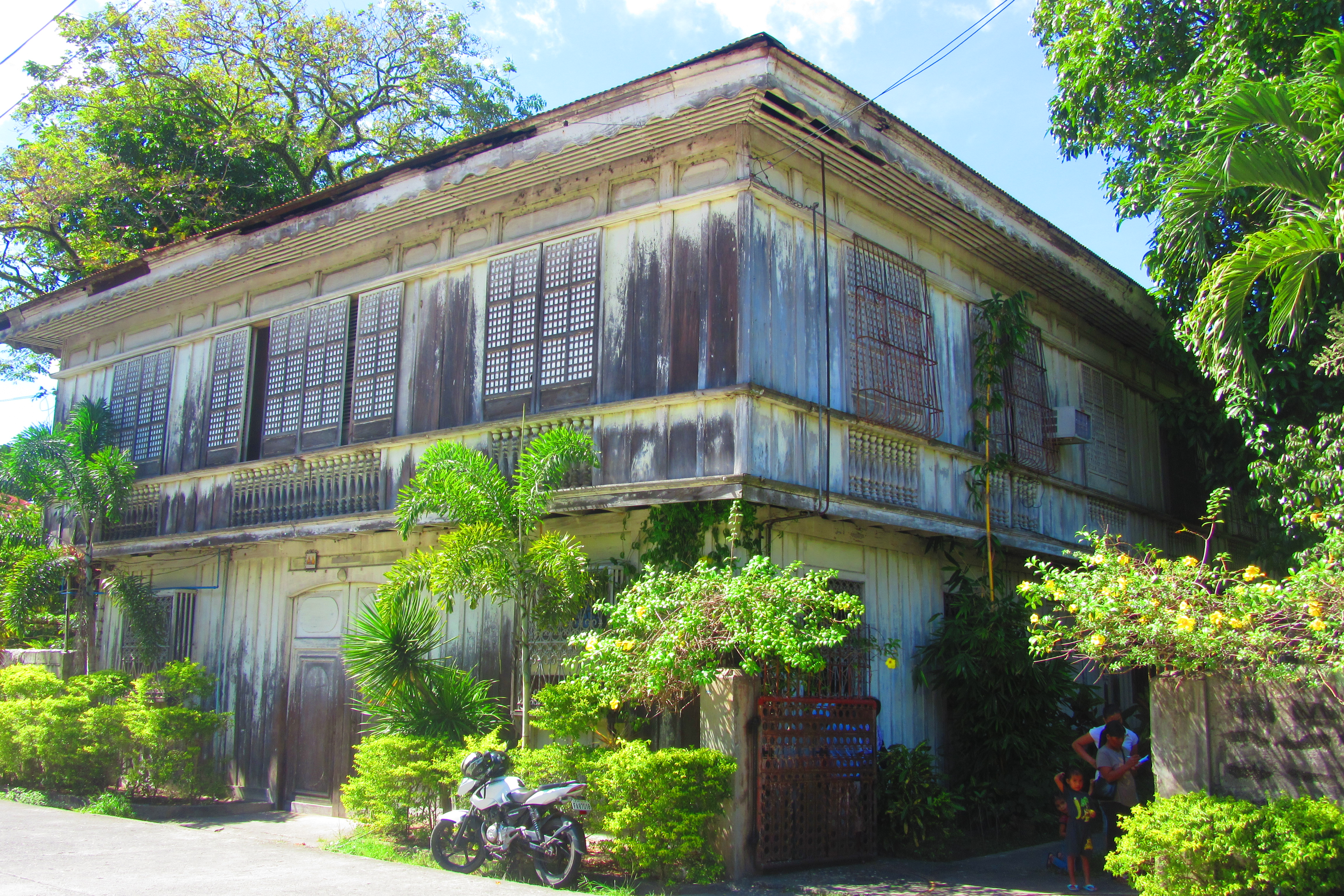
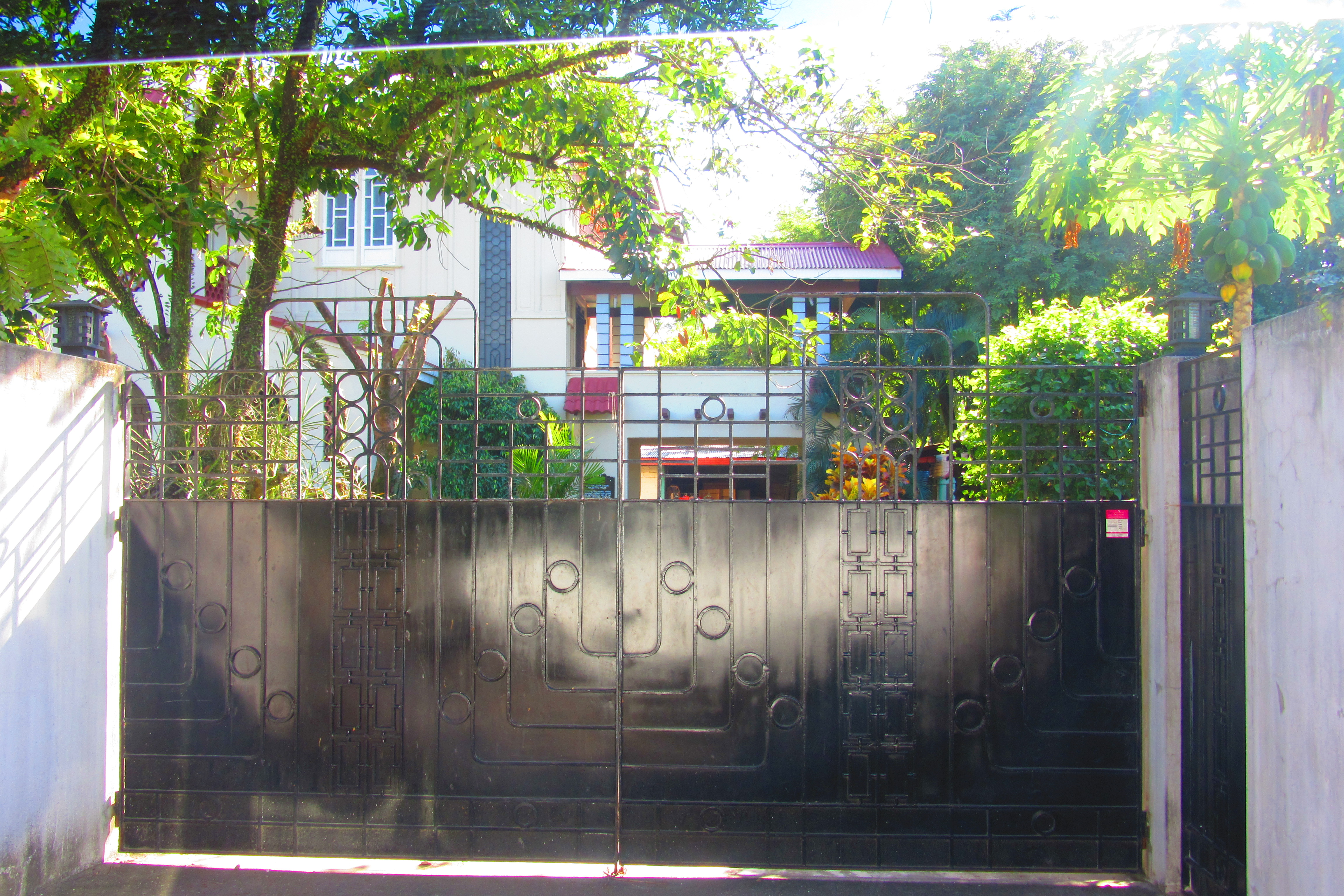
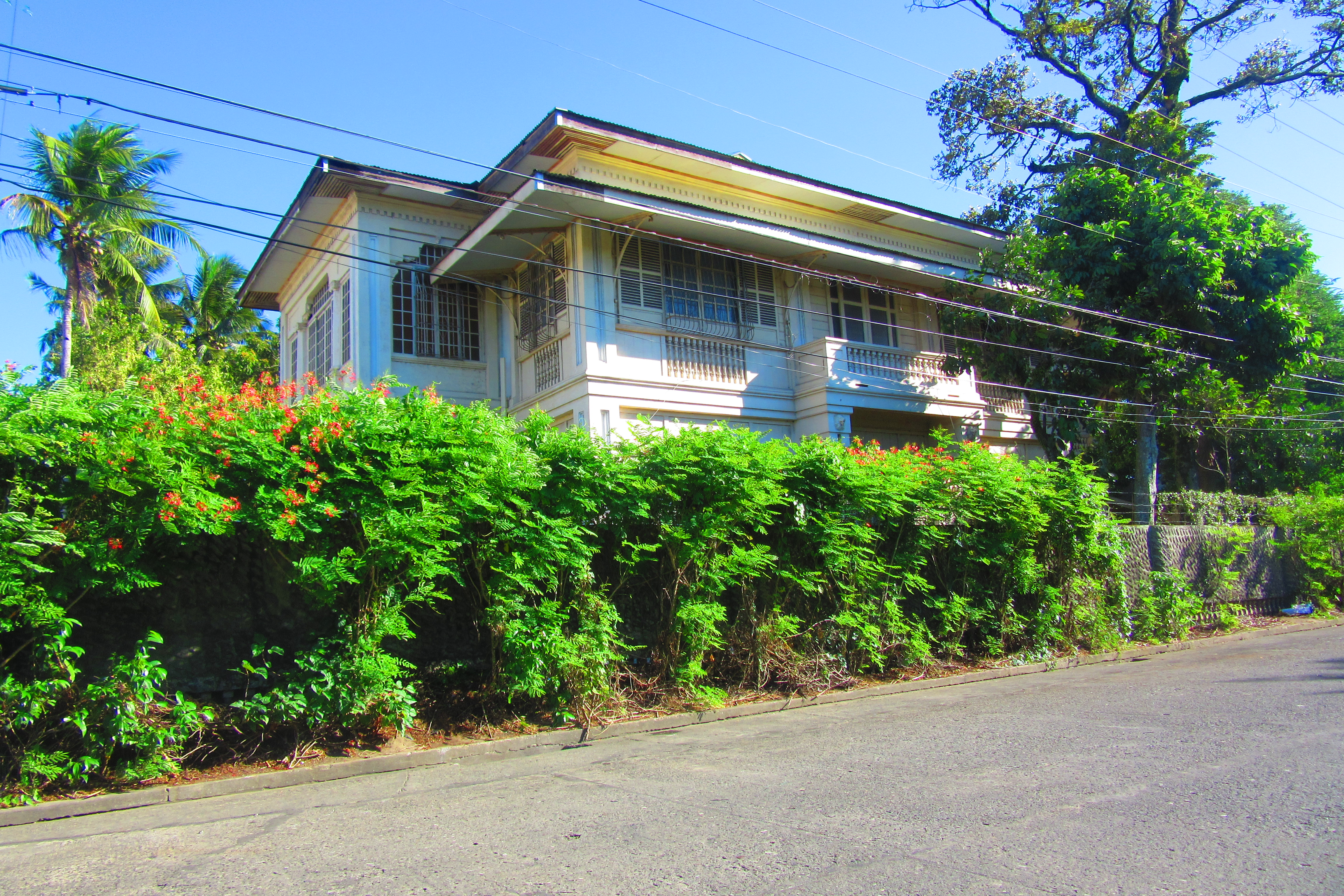
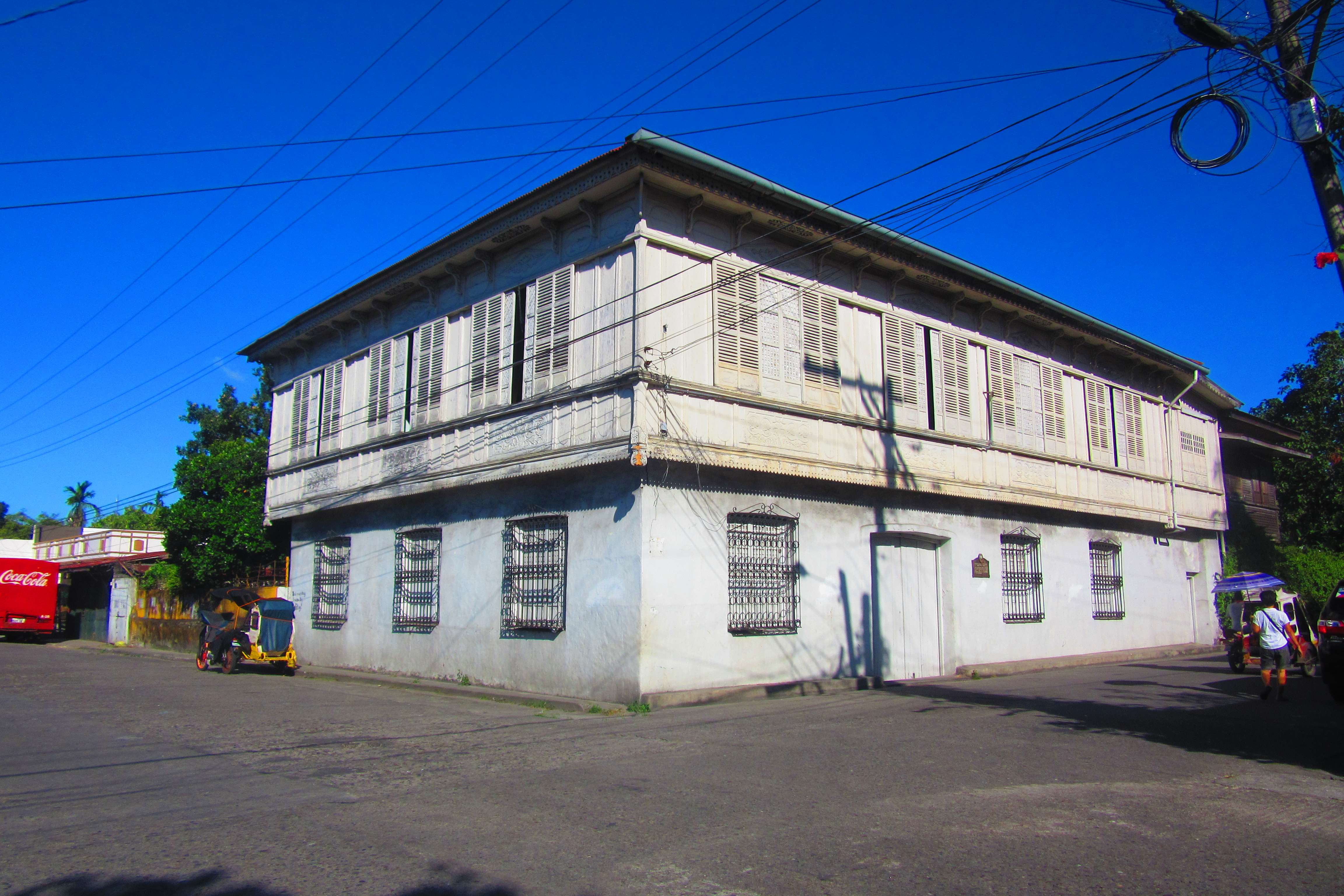
From Kapihan, we turned into a smaller street where we discovered ancestral homes that I had never visited before. Behind the House of Antonio Novella Siam stood the German Locsin Unson Ancestral House. Nearby were the Arsenio Lopez Jison Ancestral House and the Vicente Conlu Montelibano Ancestral House, whose architecture reminded me of the historic houses of Vigan City.
Ending the Heritage Tour at El Ideal
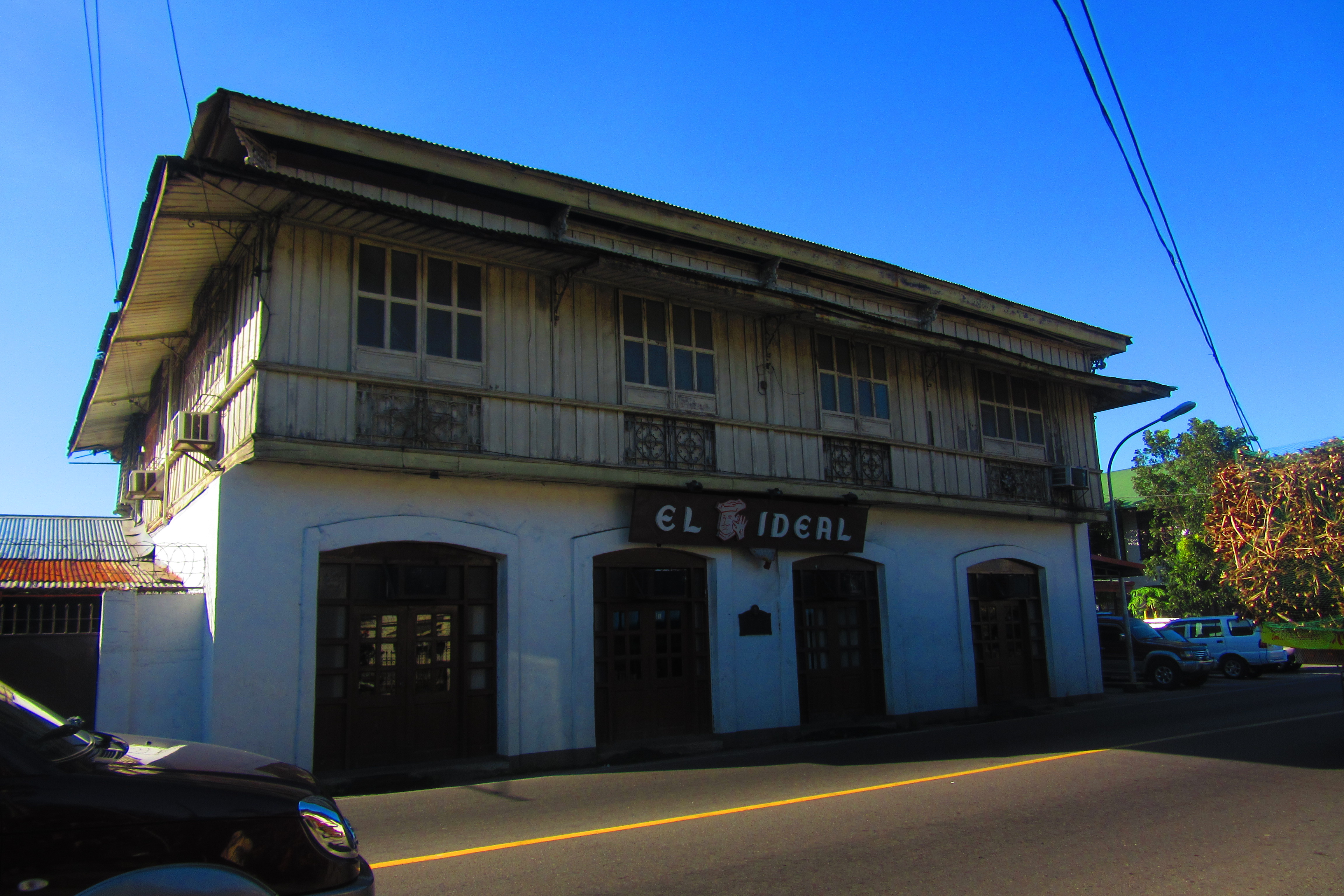
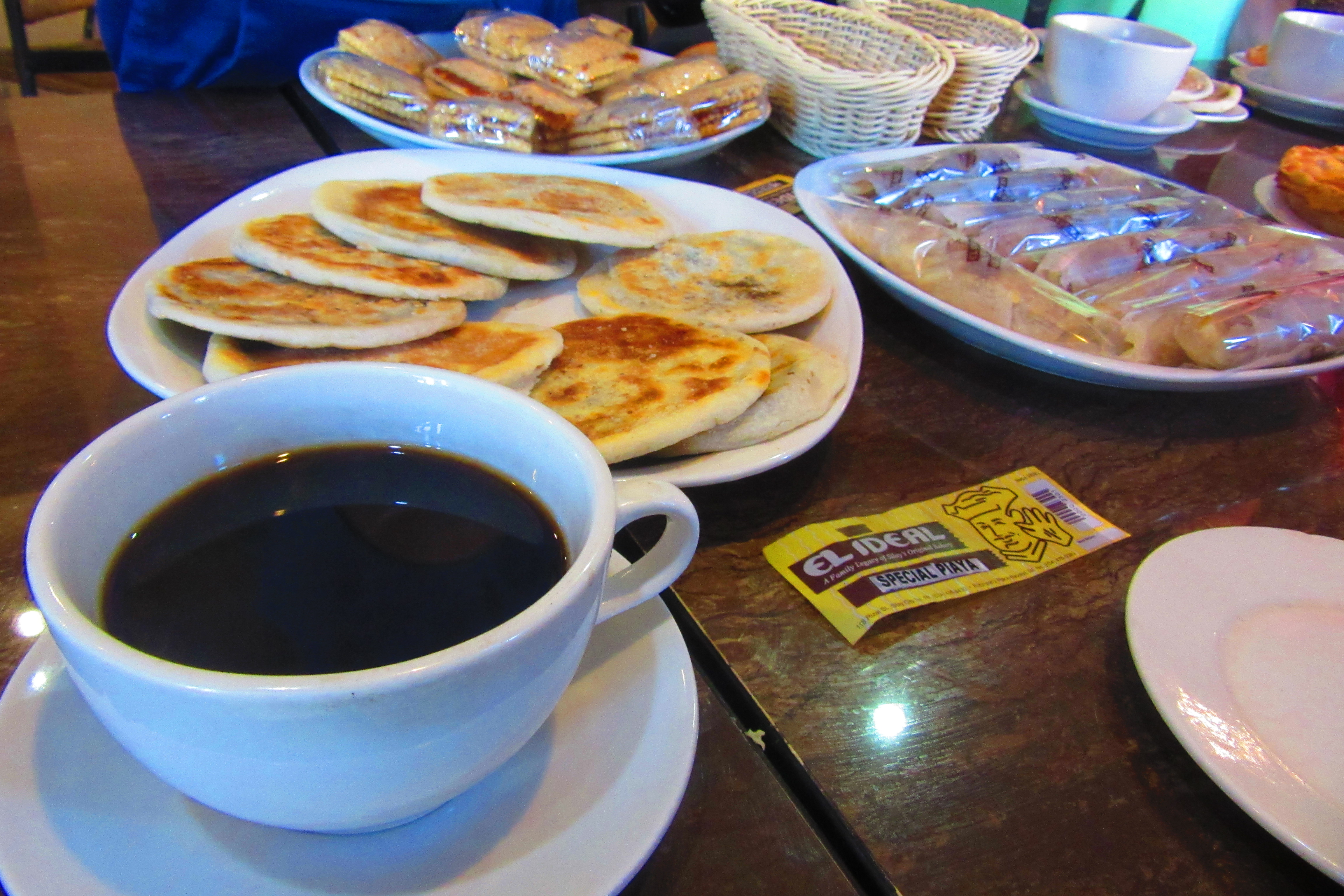
Our final major stop was the Cesar Lacson Locsin Ancestral House, more popularly known as El Ideal Bakery. The historic bakery has been serving generations of Negrenses since the 1920s and remains one of Silay’s most iconic culinary landmarks.
Fourth-generation descendant Mark Sanchez welcomed us and shared the story behind the family business. He prepared some of El Ideal’s famous treats, including buko pie, piaya, lumpia, and senorita. As we tasted these delicacies, we also learned how the bakery survived through changing times while keeping its traditions alive.
El Ideal represents more than just a place to buy pastries. It embodies the connection between heritage, family, and local identity. Like Silay’s ancestral houses, the bakery continues to tell stories passed down from one generation to another.
The Importance of Protecting Silay’s Heritage
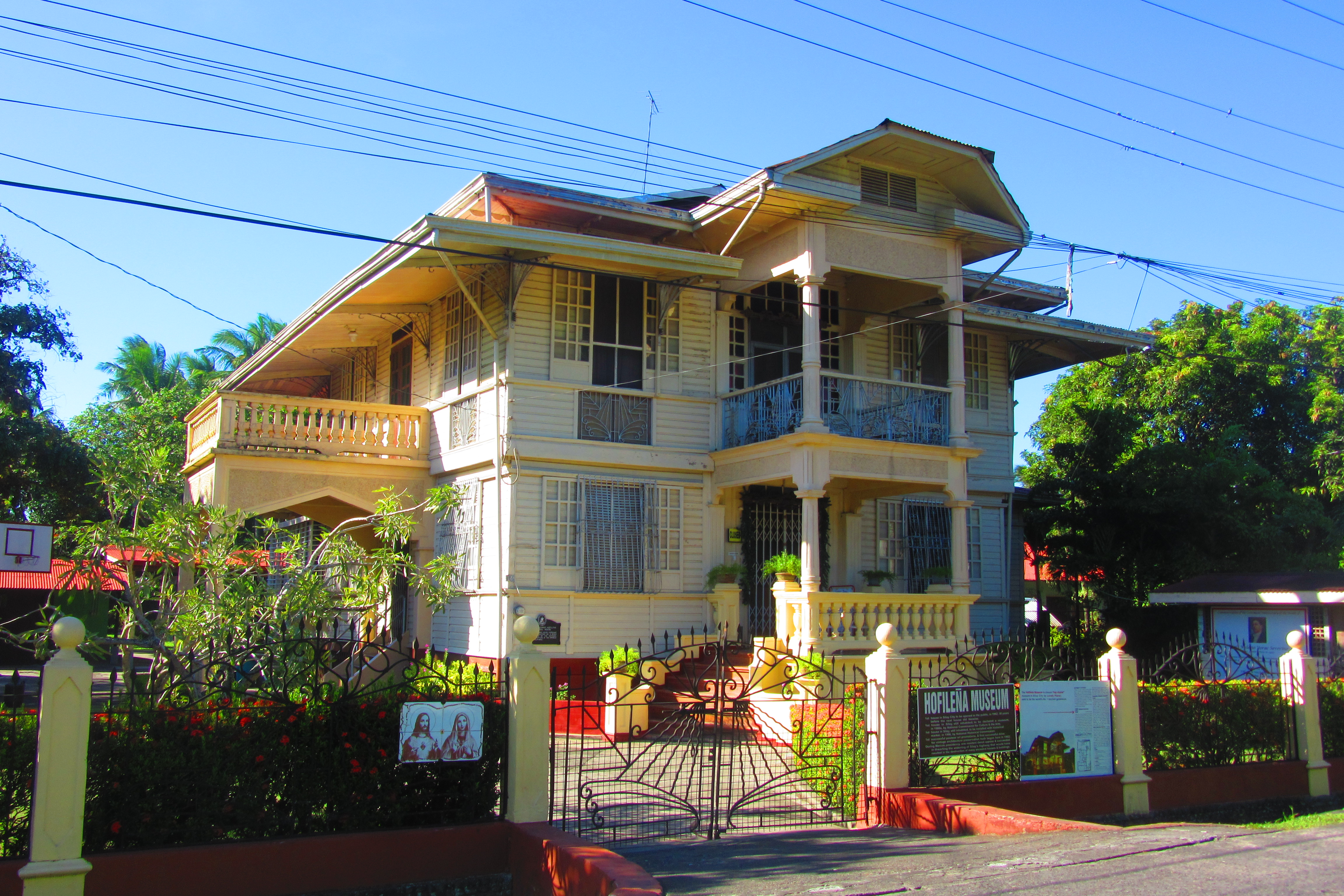
Before heading home, we made a short stop at the Manuel Hofilena Ancestral House. We did not stay long or attempt to enter because I had previously visited the house with heritage advocate Manuel “Mon” Hofilena together with my sister.
During that earlier visit, Mon shared how heritage advocates worked together to protect Silay’s historic homes from possible demolition. At one point, plans to widen the highway threatened some of these structures, but preservation advocates successfully pushed for alternatives that would protect the city’s heritage landscape.
Because of their dedication, visitors today can still walk through Silay and admire these ancestral houses. Their efforts remind us that heritage preservation does not happen by accident; it requires passion, commitment, and people willing to stand up for history.
As our journey continued, we passed by the Soledad and Maria Montelibano Lacson Ancestral House before finally making our way home. We also made a quick turn around the Talisay City market before returning to Bacolod City, ending a meaningful day filled with stories, discoveries, and appreciation for Negros’ heritage.
Preserving Silay’s Stories for Future Generations
A Silay City heritage walk is more than a simple tour of old houses and historical buildings. It is an opportunity to reconnect with the people, events, and traditions that shaped the identity of a community. Every restored window, preserved wall, and carefully maintained structure represents a story worth remembering.
As modernization continues to change cities, we must continue to value historical buildings and recognize their importance. Young generations need to understand that heritage sites are not merely old structures; they are tangible connections to the past and lessons for the future.
Silay’s ancestral homes stand as treasures of Negros’ history. Protecting them means honoring the people who built them, the stories they hold, and the generations who will continue to learn from them. Through documentation, awareness, and collective action, we can ensure that these landmarks remain standing for many years to come.


Leave a Reply