
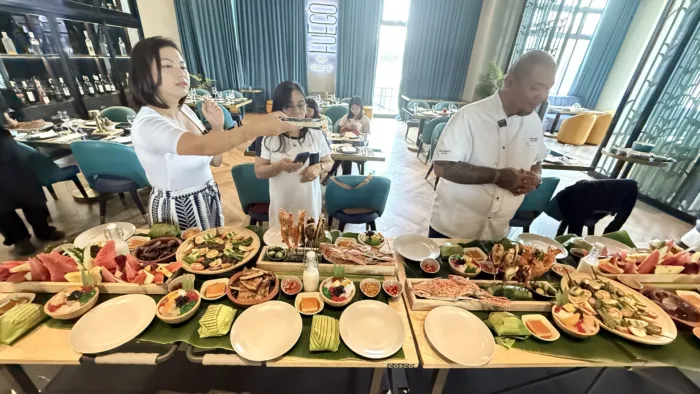
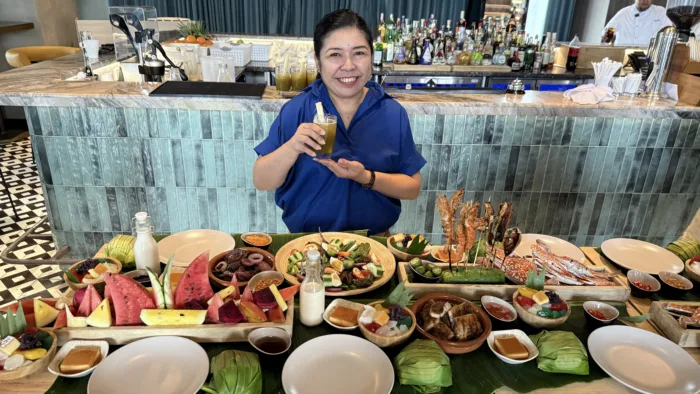
Long tables of a colorful spread over banana leaves rolled into Namit and Fuego Bar & Lounge in Citadines Bacolod City, setting the stage for a culinary spectacle. We eagerly waited for this moment to sample their Boodle Fight Feast, something that brings flavor, culture and history on one stretch of banana leaves.
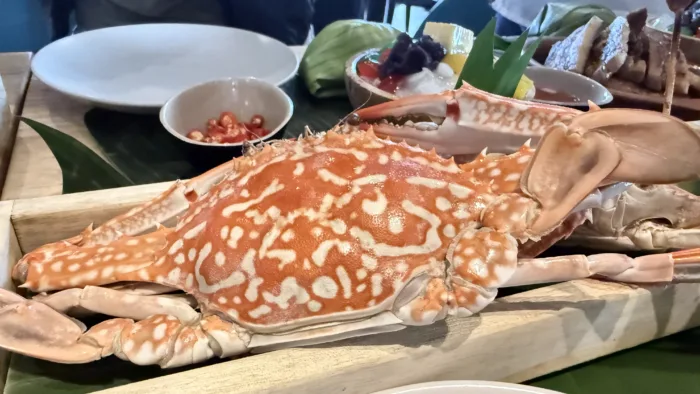
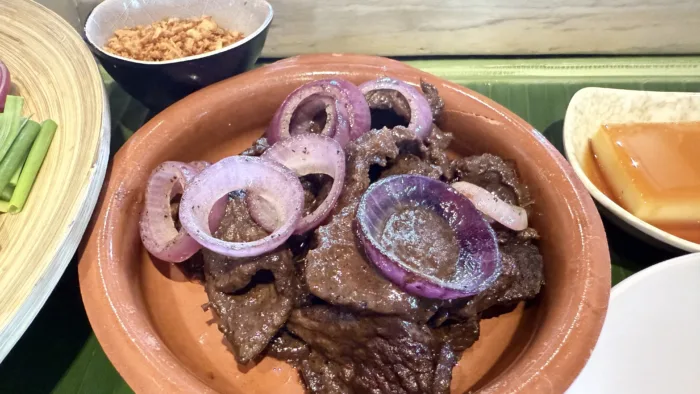
Towering piles of steamed crabs glisten with buttery richness, while skewers of juicy barbecue squid and shrimp beckon from their wooden sticks. Ensaladang talong smolders with smoky depth, its eggplant flesh mashed into a tangy medley of tomatoes, salted eggs and onions. Beef tapa, crispy on the edges and tender within, lies beside it, waiting to be scooped up with warm rice. Grilled pork belly crackles softly as it cools, promising bursts of flavor with every bite. And just when you think you can’t eat another bite, leche flan oozes with custard gold and halo-halo rises in a frosty tower of shaved ice, colorful kaong and sweet beans — a perfect ending to a meal that’s more than food; it’s an experience.
This is a boodle fight, a tradition that transforms dining into a communal celebration, where laughter and clinking utensils blend into the symphony of shared joy.
A Taste of History: The Origins of the Boodle Fight
The boodle fight traces its roots back not to a restaurant or banquet hall, but to the rugged training grounds of the Philippine military. Originally, this style of eating—where food is laid out on banana leaves and diners eat with their hands—was used to build camaraderie among soldiers. It was practical, fast, and encouraged teamwork. Those who ate together bonded faster, sharing space, stories, and sustenance under the same makeshift canopy.
Over time, what began as a utilitarian practice evolved into a cultural phenomenon. Civilians embraced the boodle fight as a way to celebrate milestones, holidays, and gatherings. It became less about survival and more about revelry, symbolizing abundance, unity, and the Filipino spirit of bayanihan—the act of coming together for a common purpose. Today, restaurants and hotels across the Philippines offer curated versions of the boodle fight, transforming it into a must-try culinary adventure for locals and tourists alike.
When Filipinos Gather Around the Leaves
Boodle fights are more than just spontaneous meals—they’re often tied to special occasions. Whether it’s birthdays, family reunions, corporate team-building events, or even graduation parties, Filipinos know that nothing brings people together quite like a boodle fight. It’s not uncommon to see extended families huddled around banana leaves at parks, resorts, or banquet halls, laughing and passing plates of food with sticky fingers.
Festivals and national holidays also bring a surge in boodle fight celebrations. During fiestas, communities set up long tables filled with local delicacies, inviting neighbors and visitors alike to partake in the merriment. It’s during these times that the true essence of Filipino hospitality shines—no one eats alone, and everyone leaves full, both in stomach and spirit.
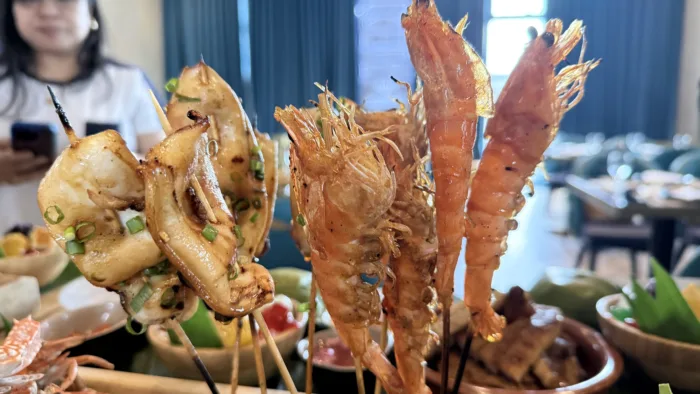
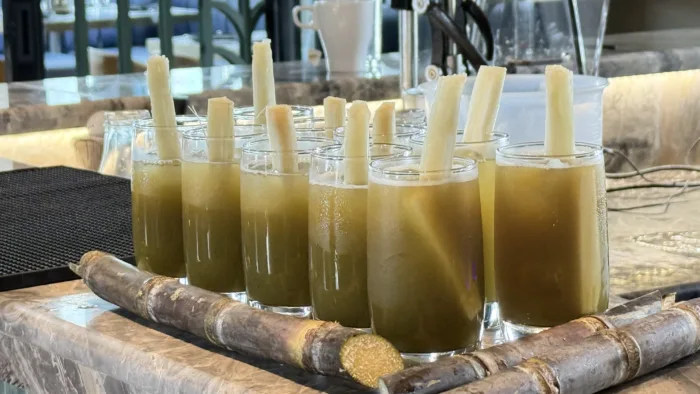
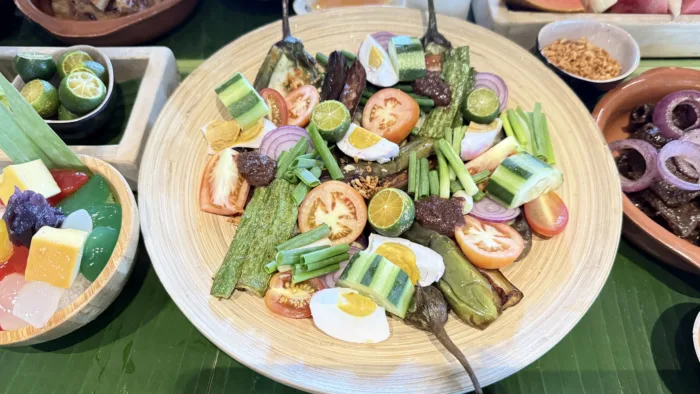
Citadines’ Boodle Fight Feast: A Celebration of Heritage and Flavor
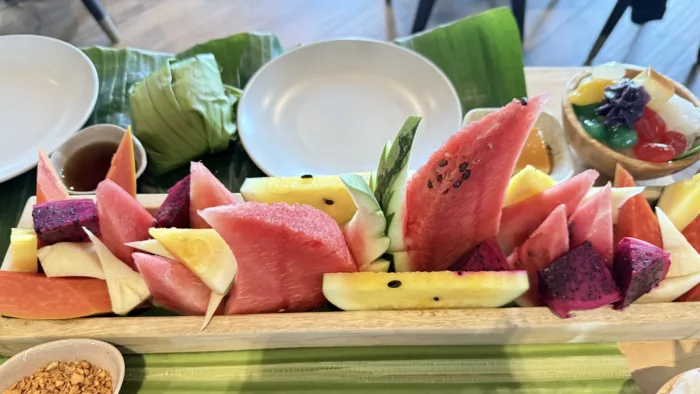
In honor of two beloved occasions—Independence Day and Father’s Day—Citadines Bacolod City presents its much-anticipated “Boodle Fight Feast”, running from June 12–15, 2025. Held at the stylish yet welcoming spaces of Namit and Fuego Bar & Lounge, the occasion invites guests to indulge in a carefully curated spread that pays homage to Filipino cuisine while offering modern twists.
Available from 11:30 am to 4:00 pm, the feast includes all the classics—succulent grilled meats, savory seafood, hearty stews, and a colorful array of salads and desserts. But what makes this offering truly special is the ambiance: a blend of urban sophistication and rustic charm, where guests can savor every bite while soaking in the celebratory energy of the season. Priced at P980 nett per person, with a minimum reservation of four persons, it’s the perfect opportunity to gather loved ones or colleagues for a uniquely Filipino experience that honors both heritage and flavor.
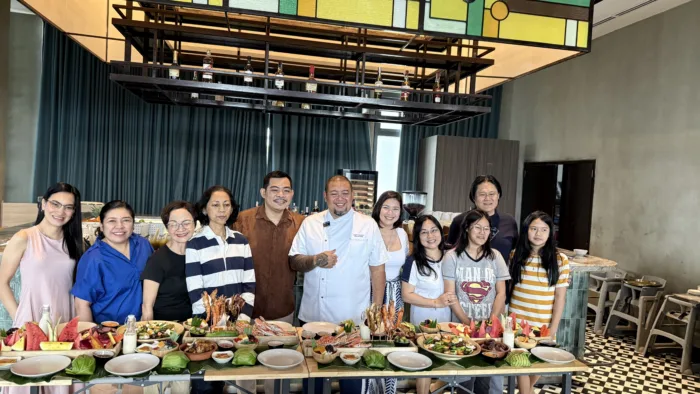
Around the World, Sharing the Spirit of Food & Community
While the term “boodle fight” may be distinctly Filipino, the concept of communal feasting is universal. In Sweden, the smörgåsbord offers a similar visual feast, with diners sampling a variety of dishes laid out buffet-style. Meanwhile, in Ethiopia, meals are traditionally served on a single large platter of injera, encouraging diners to share from the same surface using their hands—a gesture that fosters intimacy and connection.
Closer to home, Malaysian and Indonesian cultures also embrace communal dining through nasi ambeng and nasi tumpeng, respectively—both featuring rice served with an assortment of side dishes meant to be enjoyed together. These traditions, like the boodle fight, reflect values of generosity, gratitude, and the joy of breaking bread (or banana leaf) with others.
Why the Boodle Fight Is a Must-Experience in the Philippines
There’s something undeniably magical about tearing into a plate of grilled liempo with your bare hands, stealing spoonfuls of sinigang beside strangers who quickly become friends, or laughing as someone accidentally dips their finger into the vinegar-garlic sauce instead of the soy. The boodle fight isn’t just a meal—it’s a memory-making machine, a sensory explosion wrapped in banana leaves and shared with gusto.
So, if you ever find yourself in the Philippines, don’t miss the chance to join a boodle fight. Let go of formalities, embrace the messiness, and dive into the heart of Filipino culture—one delicious bite at a time. Because once you’ve experienced it, you’ll understand why this tradition continues to thrive, turning every gathering into a reason to celebrate life itself.
Leave a Reply