
In the bustling metropolises of Manila, Kuala Lumpur, Singapore, Bangkok, and Los Angeles, hidden gems await those who seek to explore the vibrant and culturally rich Chinatowns that have thrived for generations. Every Chinatown is a historic neighborhood. They are more than just places to find delectable cuisine; they are windows into the history, culture, and traditions of the Chinese diaspora.
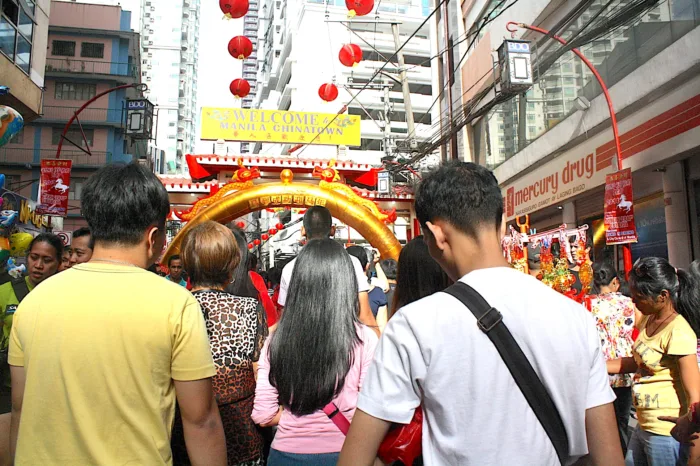
Manila’s Binondo
As the world’s oldest Chinatown, Binondo in Manila is a captivating blend of history and modernity. Established in 1594, it preserves centuries-old traditions amidst the hustle and bustle of contemporary Philippines. Iconic landmarks like Binondo Church and bustling markets beckon visitors, offering a glimpse into its storied past. Binondo’s streets are a treasure trove of delectable street food, from dumplings to noodles, making it a culinary paradise.
History: Established in 1594, Manila’s Binondo Chinatown is a historical treasure trove where centuries-old traditions seamlessly blend with modern Philippines.
Attractions: Visit the iconic Binondo Church, explore bustling markets, and sample delectable street food.
Getting there: Easily accessible by taxi or Grab or jeepney from most parts of Manila.
Kuala Lumpur’s Petaling Street
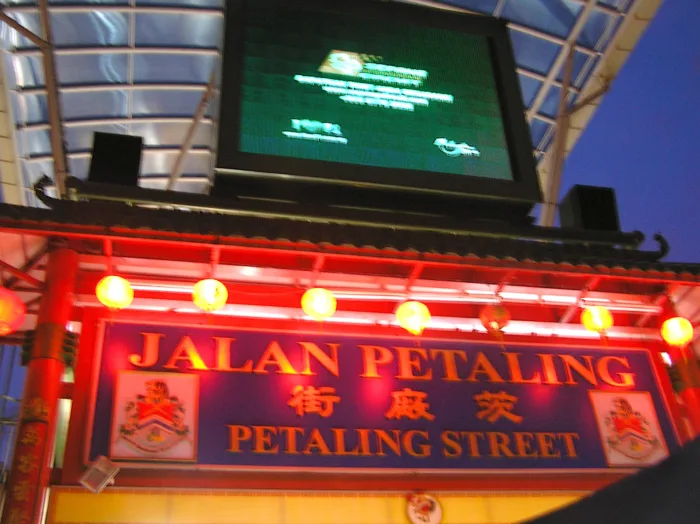
Kuala Lumpur‘s Petaling Street began in the 19th century. It is a vibrant testament to the city’s multiculturalism. Its historical significance is evident in its charming shophouses and iconic Sri Mahamariamman Temple. The bustling street markets here offer unique souvenirs and delightful street food like Char Kway Teow, providing a taste of both the past and present.
History: Founded in the 19th century, Kuala Lumpur’s Petaling Street showcases the blend of Chinese, Malay, and colonial history.
Attractions: Stroll through vibrant markets, visit the Sri Mahamariamman Temple, and indulge in delicious Char Kway Teow.
Getting there: Take the Kelana Jaya Line to Pasar Seni LRT station, a short walk from Petaling Street.
Malacca’s Jonker Street
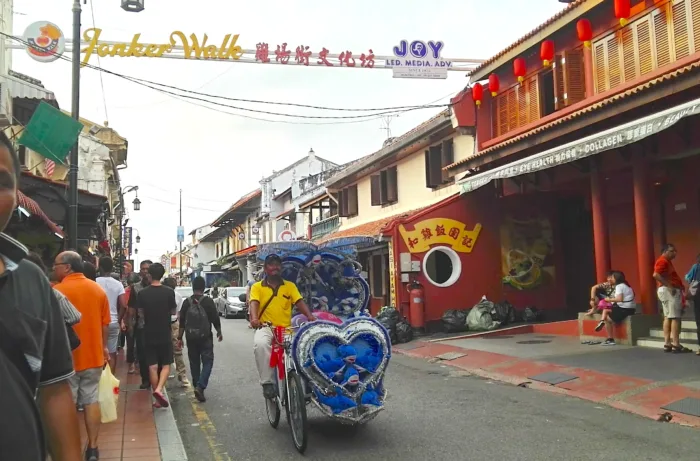
Dating back to the 15th century, Malacca‘s Chinatown is a cultural melting pot, where Chinese, Malay, and Portuguese influences converge. Jonker Street, the heart of this enclave, boasts antique shops, boutiques, and delectable street food. Historical temples and mosques add to its charm, while a cruise along the Malacca River offers picturesque views of the city’s colorful shophouses and rich heritage.
History: Malacca’s Chinatown dates back to the 15th century, offering a unique blend of Chinese, Malay, and Portuguese influences.
Attractions: Explore Jonker Street, visit historical temples and mosques, and take a cruise along the Malacca River.
Getting there: Malacca is a two-hour drive from Kuala Lumpur, with Chinatown located in the historic city center.
Bangkok’s Yaowarat Chinatown
Established in the late 1700s, Yaowarat Chinatown in Bangkok is an explosion of colors, flavors, and aromas. Street food vendors line its streets, offering exotic delicacies like bird’s nest soup and durian ice cream. The glittering Wat Traimit and a nighttime stroll along Yaowarat Road add to the neighborhood’s allure, making it a sensory paradise.
History: Yaowarat Chinatown, established in the late 1700s, is a sensory overload of flavors, colors, and aromas.
Attractions: Sample street food, explore the Wat Traimit, and take a nighttime stroll along Yaowarat Road.
Getting there: Take the MRT to Hua Lamphong station, a short walk from Yaowarat Chinatown.
Singapore’s Chinatown
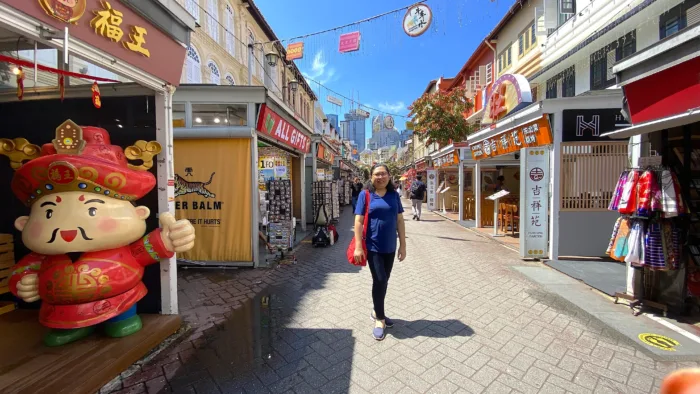
Singapore’s Chinatown, a harmonious blend of old and new, epitomizes the nation’s multiculturalism. The Chinatown Heritage Centre and the Buddha Tooth Relic Temple provide cultural insights, while the vibrant street food scene, from Hainanese chicken rice to tantalizing desserts, captivates the taste buds. This neighborhood seamlessly melds tradition with modernity.
History: Singapore’s Chinatown is a blend of old-world charm and modern sophistication, reflecting its multiculturalism.
Attractions: Discover the Chinatown Heritage Centre, savor street food, and visit the Buddha Tooth Relic Temple.
Getting there: The place is well-connected by the MRT, with Chinatown MRT station as the primary stop.
Los Angeles’ Chinatown
Los Angeles’ Chinatown, founded in the late 1800s, is a cultural gem within the city. Central Plaza’s traditional architecture, the Chinese American Museum, and the vibrant Lunar New Year festivities showcase its rich heritage. It’s a blend of history, modernity, and cultural celebrations, inviting visitors to explore its unique character.
History: Los Angeles’ Chinatown is a cultural gem established in the late 1800s, playing a pivotal role in the city’s history.
Attractions: Visit the Central Plaza, the Chinese American Museum, and enjoy the Lunar New Year festival.
Getting there: Easily accessible by car or public transit, with the Chinatown Metro station nearby.
Chinatowns around the world
These Chinatowns, each with its unique history, attractions, and culinary delights, offer a captivating glimpse into the Chinese diaspora’s enduring legacy. Whether you’re seeking ancient traditions, modern shopping, or simply a delicious meal, these vibrant neighborhoods have something to offer every traveler.
As you explore the heartbeats of Manila, Kuala Lumpur, Malacca, Singapore, Bangkok, and Los Angeles, you’ll discover that the spirit of the Chinese community is alive and thriving, ready to welcome you with open arms and tantalizing flavors. Embark on this journey through Asia and beyond, and let the enchantment of these Chinatowns leave an indelible mark on your travel memories.
Bacolod’s Bacolaodiat Festival
Bacolod City, the Philippines’ beloved City of Smiles, may not have a formal Chinatown, but its Chinese heritage flourishes quietly in the weathered corridors of the old Capitol Shopping Center. This aging commercial quarter remains a destination for those seeking steaming baskets of siomai from family-run restaurants or herbal remedies from the neighborhood’s longstanding Chinese drug store. Beyond this modest enclave, the Chinese community thrives across the city, its presence felt in family businesses, temple gatherings, and the warm familiarity of shared customs.
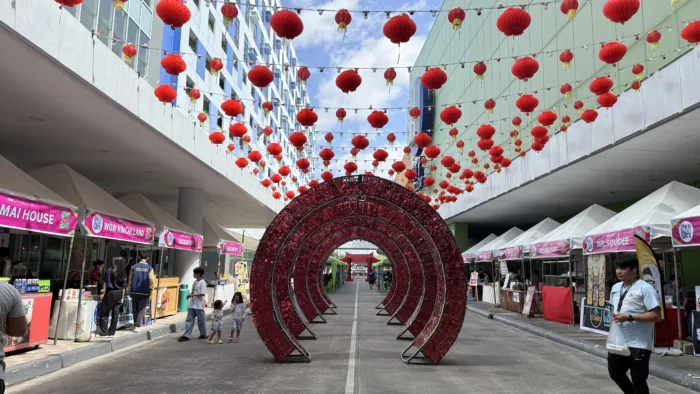
Each year, this vibrant spirit blossoms into the Bacolaodiat Festival, Bacolod’s exuberant tribute to Chinese New Year. In 2026, the Bacolaodiat celebration unfolds from February 20 to 22 across four dynamic venues, with the Bacolod City Government Center grounds serving as the main hub, complemented by festivities at Megaworld’s The Upper East, Ayala Malls Capitol, and SM City Bacolod. At SM City Bacolod’s North Wing, Chopsticks Alley transforms the open street into a fragrant promenade of sizzling woks and shared meals, while the Fo Guang Shan Yuan Thong Temple along Burgos Street offers a moment of quiet reflection amid the revelry, its golden details gleaming beneath coils of fragrant incense.
Here in Bacolod, Chinese New Year is not merely observed; it is woven into the city’s rhythm of hospitality. Every year, lion dancers leap across streets, red lanterns glow against tropical skies, and the boundary between cultures softens. These highlights the warmth of community, the clink of porcelain, and smiles exchanged between revelers, old and new.
Leave a Reply