
Each step I took across the sun-warmed stones of Angkor Wat or along the sacred terraces of Borobudur pulled me deeper into the heartbeat of a forgotten kingdom. Those ancient sites did not merely rest beneath strangler figs and mossy carvings; they spoke. They resurrected entire kingdoms that once commanded vast territories, shaped spiritual life, and forged identities across Southeast Asia. Later, I discovered CNA Insider’s documentary series The Mark of Empire, which carried me beyond the impressions I gathered on my travels and immersed me in the living drama of these kingdoms.
Yet no kingdom reigned forever. Glory inevitably yielded to decline, and even the most powerful realms eventually slipped from memory, their names fading into legend. Time buried their temples, silenced their courts, and scattered their stories. But history refused to stay hidden. Gradually, patiently, these kingdoms reemerged; not as whispers, but as destinations. They drew travelers and photographers alike, their silhouettes captured in countless frames. Still, I realized the postcard view only hinted at the deeper truth waiting beneath the surface.
Historians, archaeologists, and journalists then became our guides through time, meticulously reconstructing what centuries had erased and breathing life back into stone and soil. Through The Mark of Empire, presenter Peter Lee revealed intimate details about daily life, political dynamics, and cultural resilience within each kingdom. Looking back to my travels, when I close my eyes and return in memory to those hallowed grounds, I no longer simply stood there. I understood. I felt the weight of a kingdom’s rise, its pulse, its fall, and its quiet return to the light.
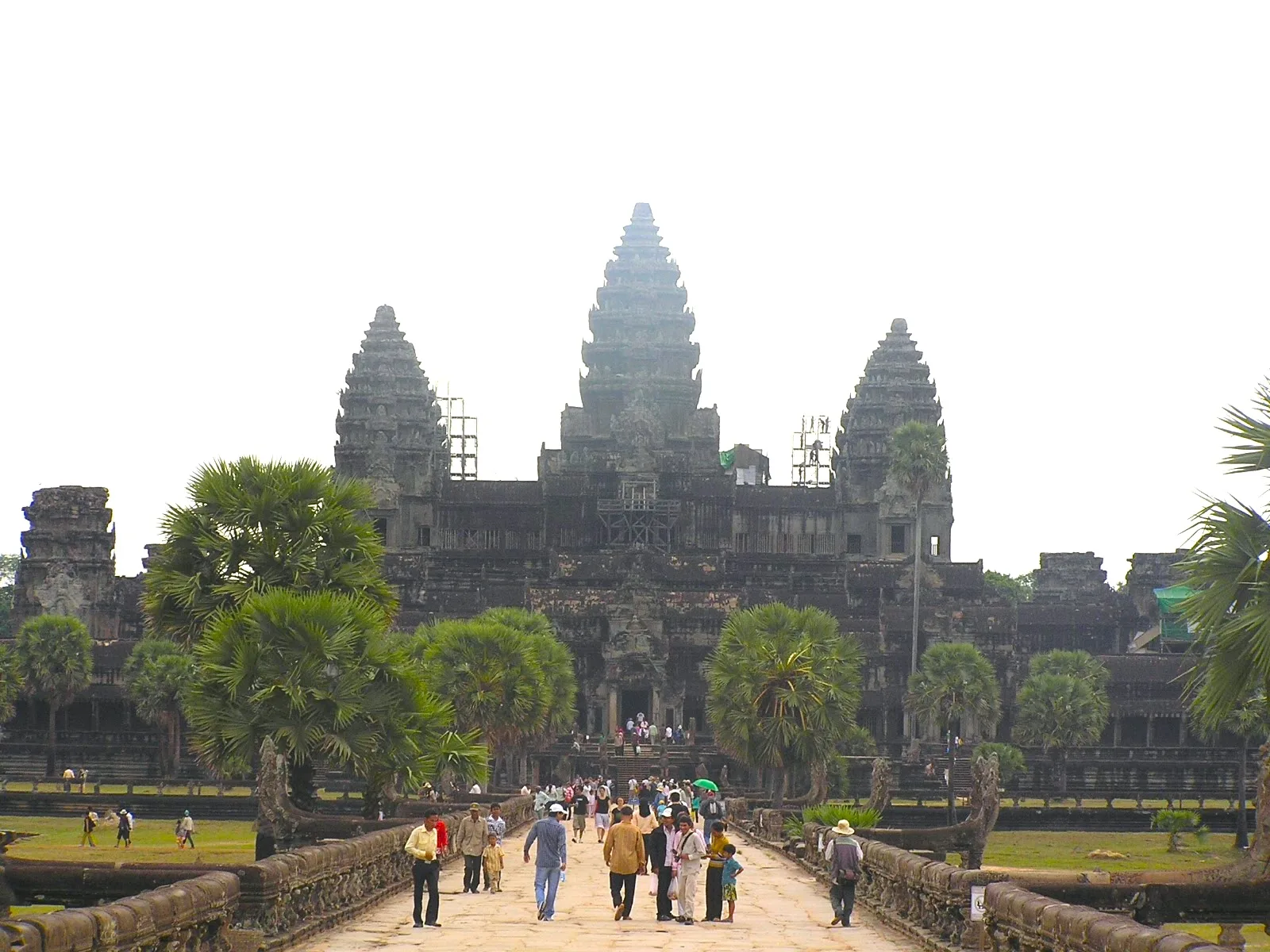
Angkor: Cambodia’s Temple Kingdom
Angkor is a place shrouded in mystery. Once buried in a lush jungle, people tried, time and time again, to lift the veil and unravel its past. Peter Lee was no exception as he traced back how the ancient Khmers lived their lives through this documentary.
Watching it transported me back to the time when I, too, walked the very grounds of Angkor, climbing ancient ruins and navigating narrow corridors. Giant tree roots had us gaping, although its canopy were not enough to shield us from the scorching heat of the sun.
Ayutthaya; Thailand’s Ancient Modern Kingdom
The very first time I visited Ayutthaya, it took my breath away; the impression was so profound that I returned 18 years later. My 2019 trip to the capital of the ancient kingdom still lingers in my mind. It wasn’t just the ruins and the stupas that painted a memorable landscape before my eyes. The river also breathed life into the overall adventure, just as it once fueled the economy of the old kingdom.
The documentary didn’t miss this detail, going further to dig into how Ayutthaya thrived as a trading hub during its glorious days. But behind the power and prosperity of Ayutthaya lie secrets waiting to be told; reason enough to keep me glued to their storytelling.
Champa: Vietnam’s 1,500-Year Empire Lost to History
Visiting My Son Sanctuary was one of our considerations during our Da Nang trip. Instead, we ended up exploring the Cham Museum, a short walk from our hotel. But this humble repository of Cham artifacts gave us an insightful glimpse to the heritage of the Cham people.
Good thing The Mark of Empire featured Champa as it revealed more stories behind the heritage site. Highlighting this documentary are the Cham’s people way of life, including their weaving and local cuisine.
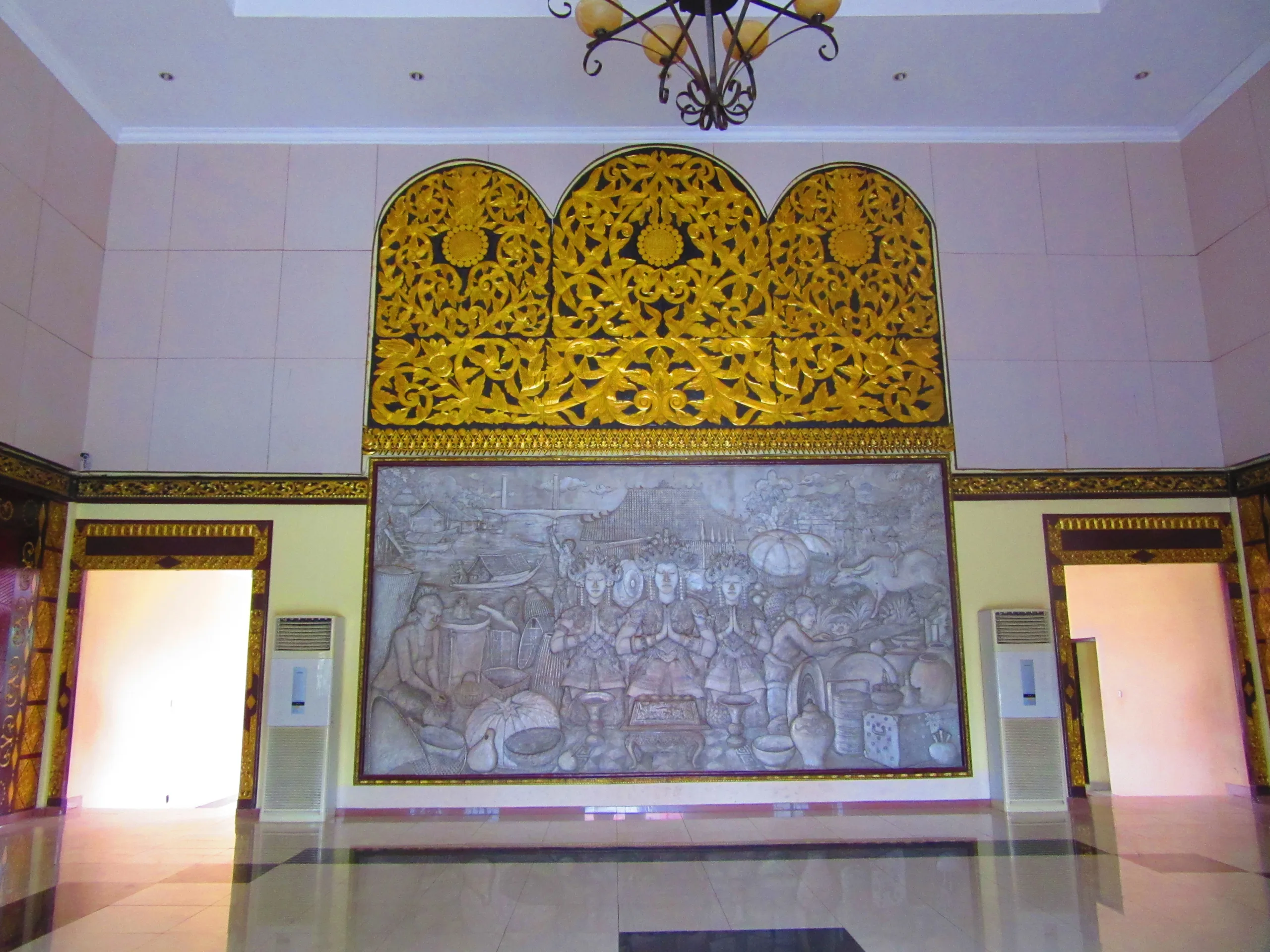
Majapahit: Indonesia’s Spice Empire
One of the most powerful empires that ruled Indonesia and a portion of Southeast Asia is Majapahit. Peter Lee presented it well as he showed the remnants of this once majestic empire throughout Java and Sulawesi.
On the island of Java, where the seat of the empire is located, many heritage structures draw locals and travelers to its sites. I may not have climbed the State Temple of Majapahit, which is the Penataran Temple in Blitar, East Java, but I have scaled the mystical beauty of Borobudur twice and entered the hallowed rooms of Prambanan. While both temples predated the empire by several centuries and were largely abandoned by the time Majapahit rose to power, their strongholds were on the same soil as where the empire once stood.
Srivijaya: Indonesia’s Mysterious Kingdom
There is a theory in the Philippines that the island group of Visayas, the central part of the archipelago composed of many smaller islands, traces its name from the Srivijaya kingdom. Although there are no records to strongly support this claim, it is popularly believed by many scholars. It was only through this theory that I’ve come to know about Srivijaya until I made a trip to its capital, Palembang.
But I have unearthed more insights about this empire with the help of Peter Lee, who took me through the history and influence of Srivijaya via his documentary. Surprisingly, there’s a thread of connection between Borobudur and Srivijaya, as the ancient site bore some clues to the maritime kingdom. Although the relationship is complex, it also involves the Sailendra dynasty as the linking factor.
Sulu: The Philippine Sultanate Dominating Southern Maritime Trade for Centuries
Sulu is probably one of the most popular sultanates in my country, the Philippines. Behind its rich past, conflicts hindered many travelers to visit this part of Mindanao, which is one of the reasons why I haven’t yet set foot in Sulu.
I’ve long set my eyes to a journey to the Sultanate and the documentary fueled my curiosity and piqued my interest to learn more of its history. There’s no debate that it is a destination that holds so much beauty, culture and story, and I cannot wait to unravel them someday.
Bagan: Myanmar’s Unifying Kingdom
This is the only country in the ASEAN that I have not yet visited. Security and direct travel may pose as challenges but I still have the sliver of hope that I would someday cast my eyes to the beauty of Bagan and walk its paths.
For now, I content myself learning about the place from travelers who went before me, especially from curator Peter Lee, who presented a very informative story of Bagan’s past.
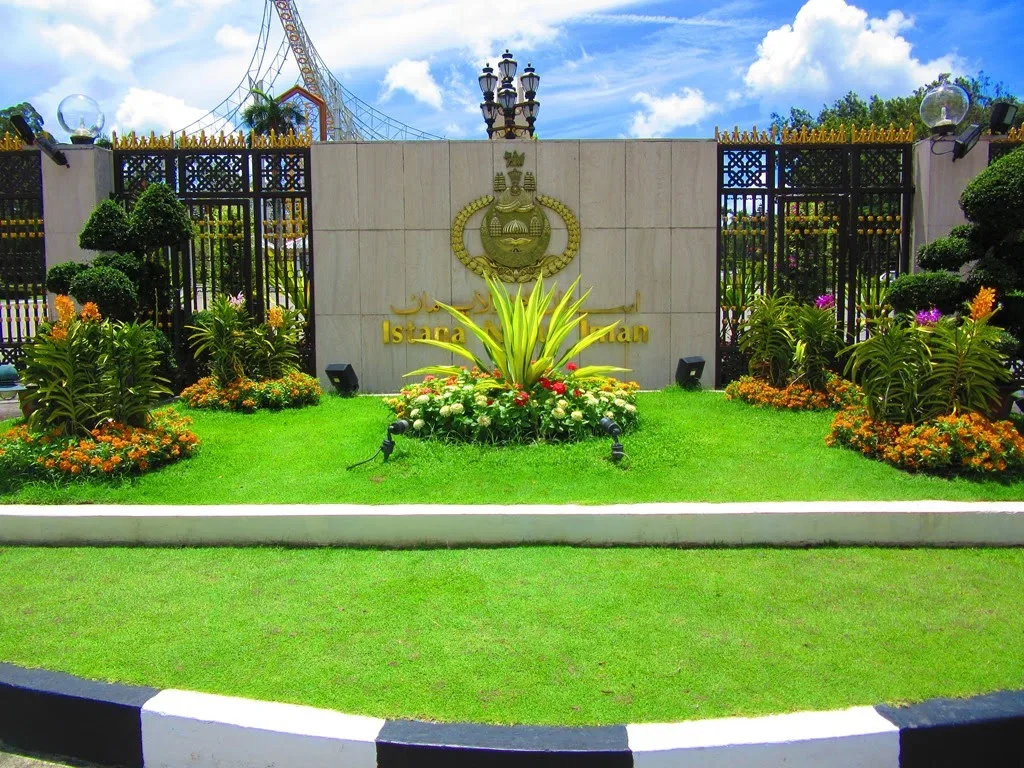
Modern Royalties
To date, there are still existing royal families in Southeast Asia, specifically in Thailand, Cambodia, Malaysia, and Brunei, one of the remaining absolute monarchy in the world. It’s interesting to learn about them and how they continue to influence the culture of their respective societies.
These modern monarchies serve as living bridges between the region’s storied past and its dynamic present. While the empires of stone and spice have faded, their legacy endures in the traditions, architecture, and identities that define Southeast Asia today.
Whether through the lens of a documentary or the soles of my own shoes, the journey to understand these kingdoms is far from over. It is a reminder that history is not merely a record of what was lost, but a map for where we are going. As long as there are stories to tell and ruins to explore, the heartbeat of these ancient realms will continue to pulse beneath the modern world.
Leave a Reply