
Some travelers plan their journeys around beaches, food, shopping, or adventure. I enjoy all these experiences too, but because I have always been fascinated by history, a museum often becomes one of the meaningful stops in my itinerary.
I do not necessarily travel specifically for museums. However, whenever there is an opportunity to visit one, I gladly take it. In fact, some of my most memorable experiences happened because friends, colleagues, or local hosts brought me to places I might not have discovered on my own.
For me, a museum is like opening a window into another time. Through old photographs, traditional clothing, ancient tools, handwritten documents, and everyday objects, I get a glimpse of how people lived years, decades, and even centuries ago. These artifacts tell stories that textbooks cannot always capture.
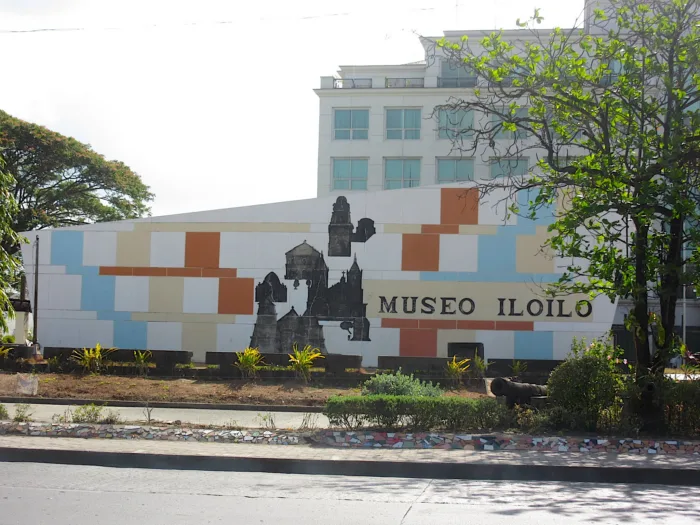
Looking back, my appreciation for such places probably began during an educational trip to Museo Iloilo when I was in Grade 6. At that age, I was simply fascinated by the displays and the old objects carefully preserved inside. Years later, I realized that visit became the beginning of a lifelong curiosity about history, culture, and heritage.
Since then, they have naturally become part of my travels. Whether I visit one while exploring a new city, attending a conference, accompanying guests, or joining friends on a trip, I always appreciate the opportunity to learn more about the place I am visiting.
Walking Through Philippine History in Metro Manila
Living and working in Metro Manila gave me many opportunities to discover museums and heritage sites that tell the story of the Philippines.
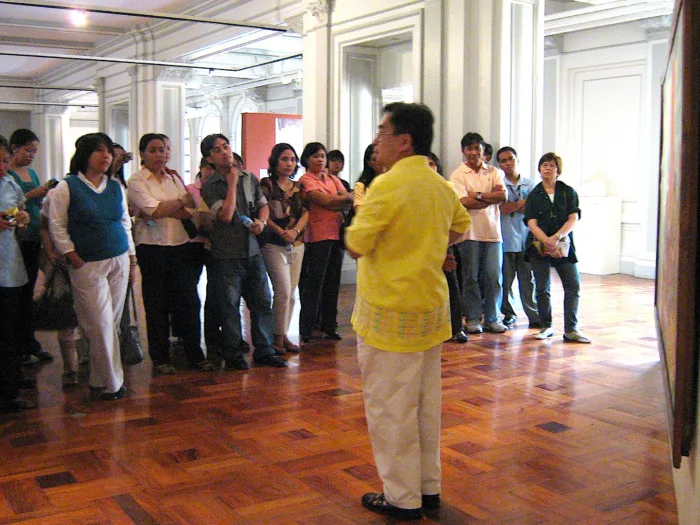
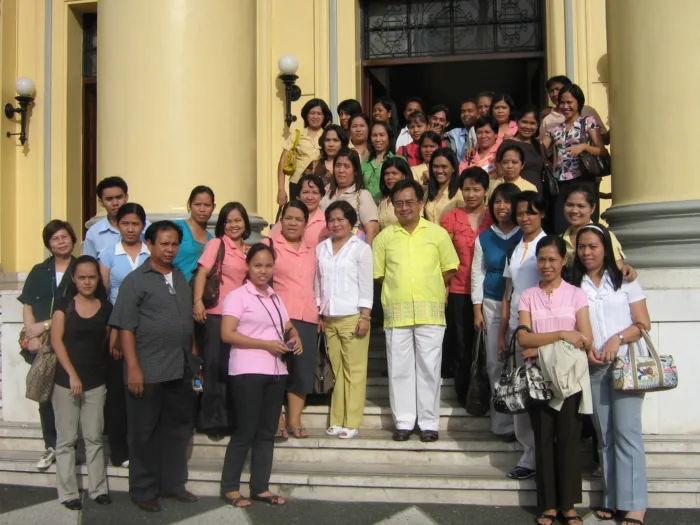
One of my most memorable experiences was visiting the National Museum in Manila. Through my work with foundations, I had the privilege of bringing children to two of its buildings. Those visits became even more special because of John Silva, then a curator there, whose storytelling brought history to life. Instead of simply explaining artifacts, he painted vivid pictures of the people, events, and cultures behind every exhibit.
Because of him, the galleries felt like they were transporting us to another era. Paintings, sculptures, and archaeological discoveries became more than objects behind glass. They became stories of a nation finding its identity.
During my years working in Makati, I also visited the Ayala Museum, which presented Philippine history and culture through beautifully curated exhibits. Meanwhile, my college years brought me to the Vargas Museum at the University of the Philippines Diliman, where art and history came together in meaningful ways.
My volunteer work with Hands On Manila also introduced me to historical treasures in the capital. Visiting the National Historical Commission of the Philippines and the museum inside San Agustin Church in Intramuros reminded me that history is not confined to traditional museum buildings. Sometimes, it lives inside old churches, heritage structures, and places where important events unfolded.
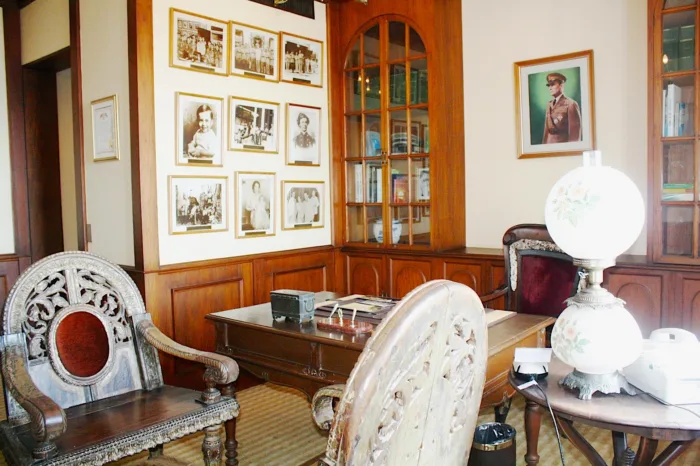
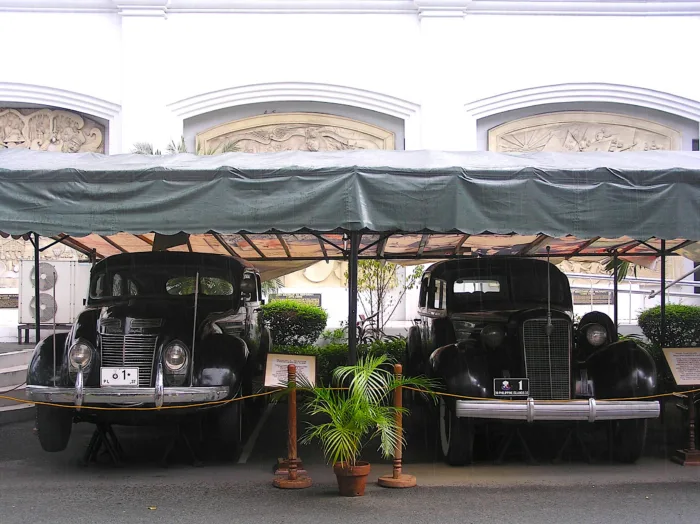
Even the Manila Hotel became a place of historical discovery. While working there, I learned that certain areas of the hotel function almost like a walk to the past. Rooms filled with historical displays, including the famous MacArthur Suite, preserve memories of important personalities and events that shaped Philippine history.
Following Stories of Heroes and Heritage in Luzon
Beyond Metro Manila, Luzon offers countless opportunities to step into the past through shrines, and heritage destinations.
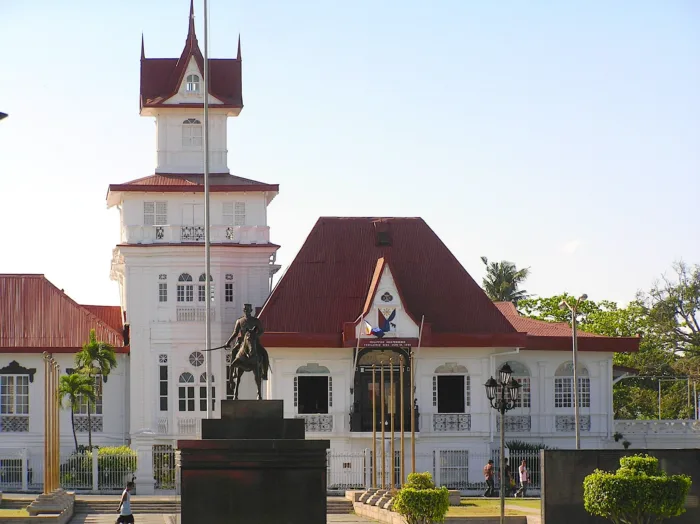
As a high school student, I visited the Aguinaldo Shrine in Kawit, Cavite. Standing in the place where Philippine independence was declared made history feel more personal and real. Later, during a college educational trip, I visited the Rizal Shrine in Calamba, Laguna, which offered a glimpse into the childhood and early life of our national hero.
Years later, a conference brought me to Vigan in Ilocos Sur. Naturally, exploring the city’s museums and heritage sites became part of my experience. Walking along its historic streets while learning about its colonial past showed me how an entire city can preserve history.
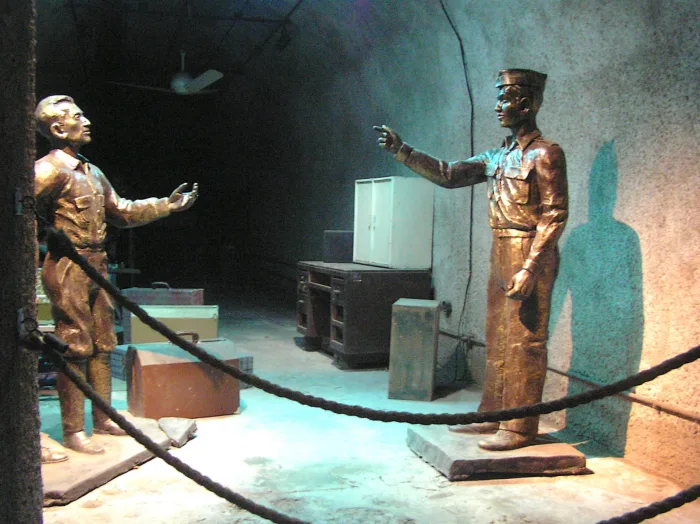
I also visited Taal Heritage Town, where ancestral houses and old structures serve as reminders of the country’s Spanish colonial period. Likewise, Corregidor Island offered a different kind of historical journey, allowing visitors to understand the events and sacrifices surrounding World War II.
These experiences taught me that museums do not always have to be large buildings filled with artifacts. Sometimes, entire towns, islands, and communities become living structures where history remains visible in every corner.
Discovering Home Through Museums in the Visayas and Mindanao
Although I have visited many museums abroad, some of the most meaningful ones are found closer to home.
Museo Iloilo holds a special place in my heart because it was where my museum journey began. Returning to Iloilo and visiting similar structures brings back memories of that first encounter with history as a young student.
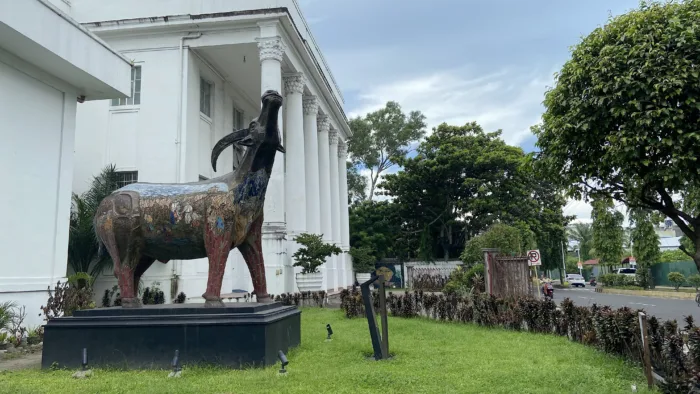
Living in Negros Occidental also allowed me to appreciate the rich heritage of my own region. Whenever friends visit Bacolod City, I enjoy bringing them to the Negros Museum because it provides a wonderful introduction to the province’s history, culture, and people.
Nearby Silay City offers another fascinating journey through the island’s past. Visiting Balay Negrense and the Bernardino Jalandoni Museum allows guests to imagine the lifestyle of wealthy sugar families during Negros’ prosperous years. Meanwhile, the Dizon-Ramos Ancestral House in Bacolod preserves another important piece of local heritage through its ancestral home and collections.
My travels also brought me to the Rizal Shrine in Dapitan, Zamboanga del Sur, during a vacation in Dakak. Seeing the place where Rizal spent his years in exile gave me a deeper appreciation of his life beyond what I learned from history books.
Another meaningful heritage experience happened in Tacloban, Leyte. While volunteering after Typhoon Yolanda, I visited the Sto. Niño Shrine and Heritage Museum. The contrast between the preserved grandeur inside the shrine and the resilience of the community outside made the experience even more unforgettable.
Discovering Southeast Asia Through Museums and Heritage Sites
Traveling around Southeast Asia introduced me to different ways countries preserve and share their stories.
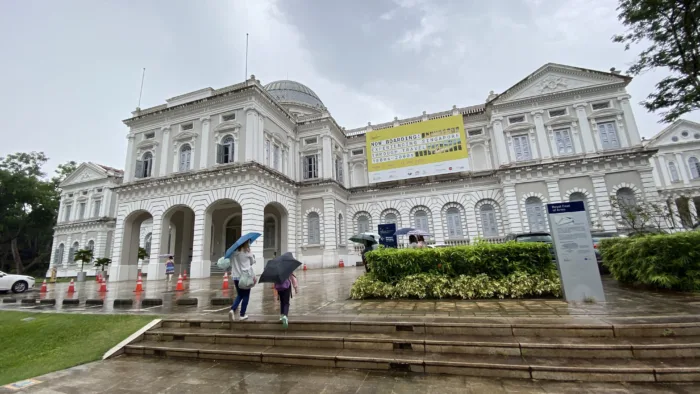
In Singapore, the National Museum of Singapore and the Images of Singapore in Sentosa showed how a small trading settlement developed into a modern global city. The exhibits helped me understand the country’s transformation, multicultural identity, and journey through time.
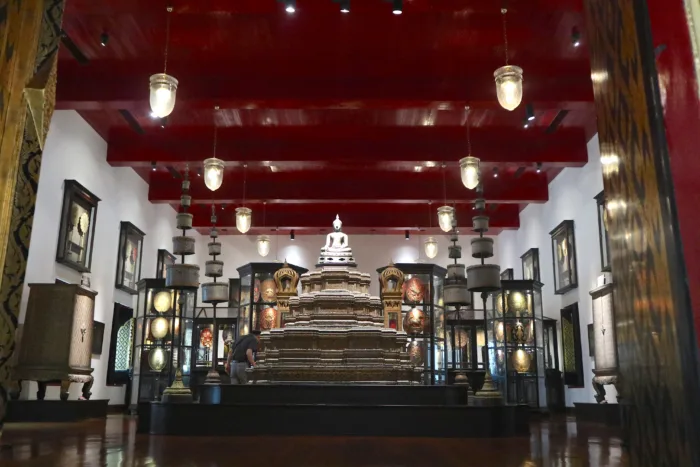
Thailand offered equally fascinating experiences. The Bangkok National Museum introduced me to the country’s royal history and artistic traditions, while the Lanna Folklife Museum in Chiang Mai highlighted the unique culture of northern Thailand. I also enjoyed visiting the Jim Thompson House and Museum, where architecture, art, and the story of the famous silk entrepreneur came together. Phaya Thai Palace provided another glimpse into Thailand’s royal heritage.
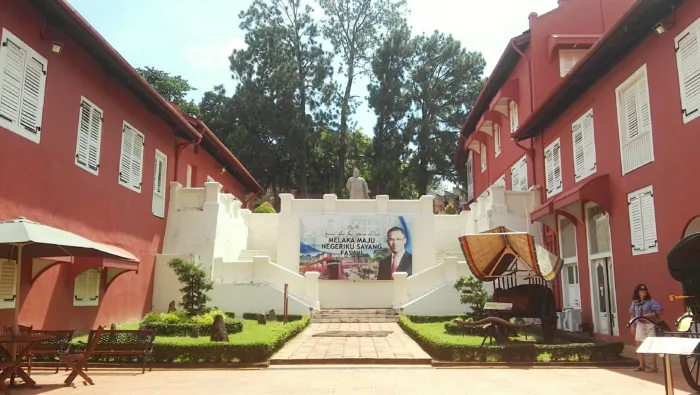
In Malaysia, the museums of Melaka reflected centuries of trade, colonial influence, and cultural exchange. The city’s historical repositories helped explain why Melaka became one of Southeast Asia’s most important historical ports.
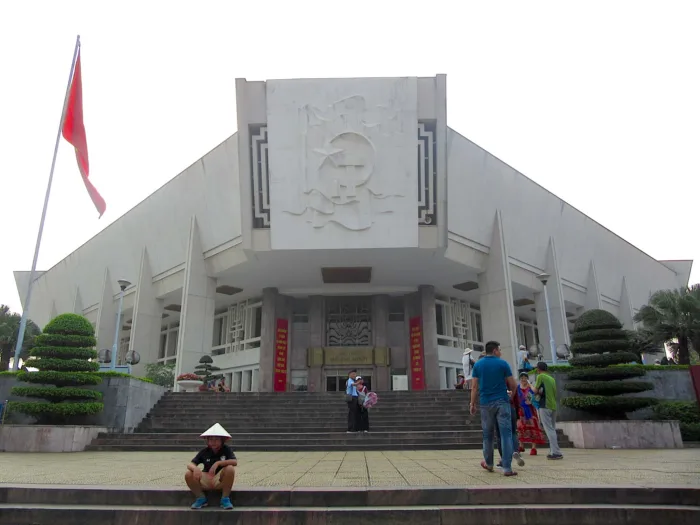
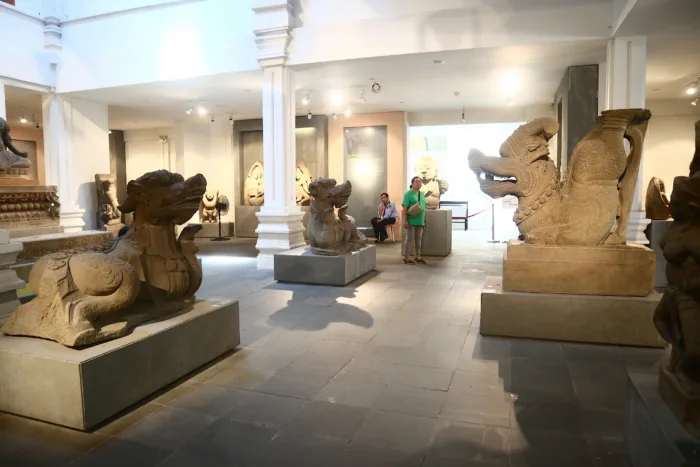
Vietnam offered some of the most thought-provoking historical experiences. The Da Nang Museum of Cham Sculpture showcased the artistic achievements of the ancient Champa civilization. Meanwhile, the Ho Chi Minh Museum in Hanoi explored the life of the country’s revolutionary leader. The War Remnants Museum in Ho Chi Minh City presented a difficult but important reminder of the human cost of war.
Indonesia also offered fascinating cultural discoveries. The Palembang Museum highlighted the legacy of the Srivijaya Empire, while Taman Mini Indonesia Indah in Jakarta showcased the incredible diversity of Indonesian traditions and communities.
In Brunei, the Royal Regalia Museum provided a glimpse into the country’s monarchy through its impressive collection of royal treasures.
Even Angkor Archaeological Park in Cambodia felt like an enormous open-air repository of historical artifacts. Beyond its magnificent temples, it preserved the achievements, beliefs, and artistry of the Khmer civilization.
Exploring Great Civilizations Through Asian Museums Beyond ASEAN
Some museums preserve the history of a nation, while others reveal the story of entire civilizations.
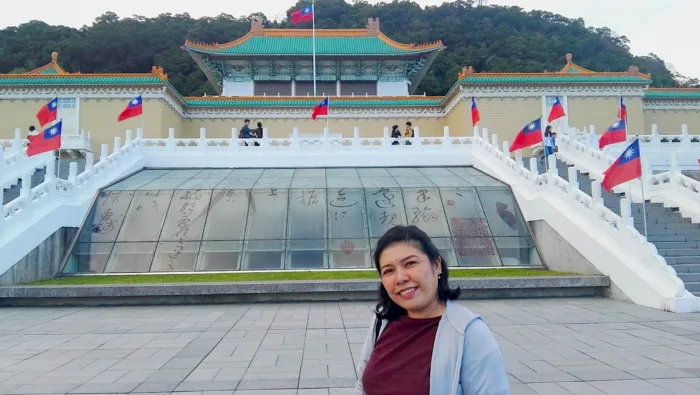
Taiwan’s National Palace Museum was one of those unforgettable places. Its collection of imperial treasures, ancient artworks, and historical objects reflected thousands of years of Chinese civilization.
In Hong Kong, the Hong Kong Museum of History helped me understand the city’s evolution from a small fishing community into a major international center.
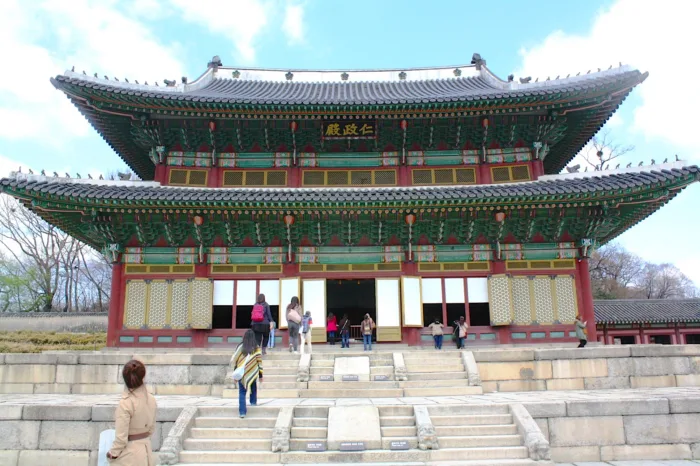
Seoul in South Korea also expanded my idea of what a historical archive could be. Visiting palaces and a Hanok Village felt like stepping into a living museum where traditional architecture, customs, and everyday life continue to survive.
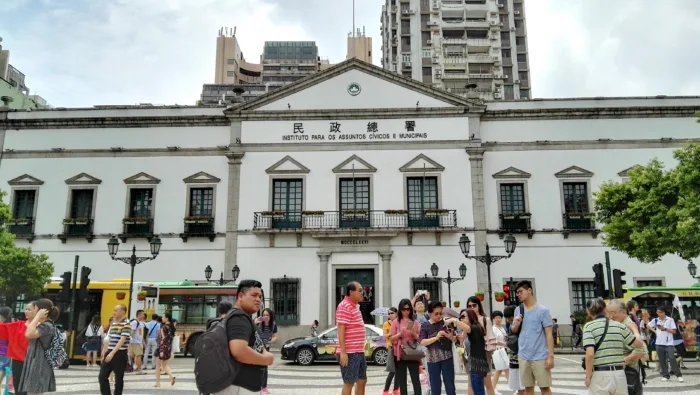
Macau offered another fascinating blend of cultures. The Leal Senado Building reflected the city’s Portuguese heritage and its unique connection between East and West.
Further south in India, the Paliam Palace Museum in Muziris introduced me to Kerala’s royal history and traditions.
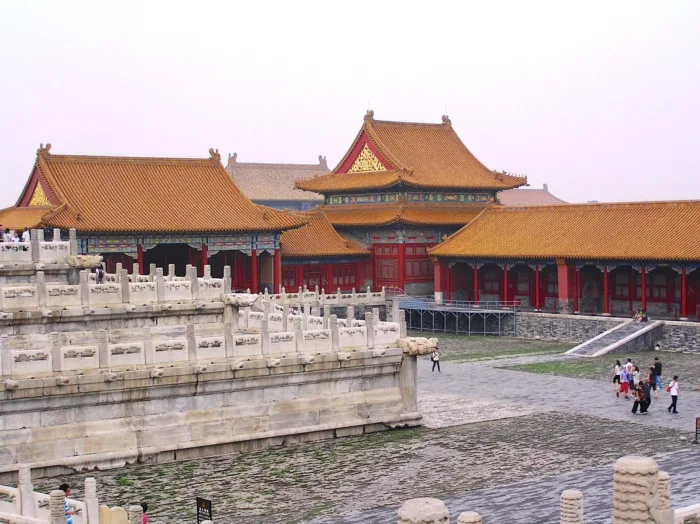
China provided some of the grandest historical experiences I have ever encountered. Walking through the Forbidden City in Beijing revealed the scale and grandeur of imperial China. Meanwhile, seeing the Terracotta Warriors in Xi’an was truly awe-inspiring. Thousands of life-sized soldiers standing for more than two thousand years showed the incredible craftsmanship and ambition of ancient civilizations.
Beyond the Traditional Museum
Over the years, I have realized that history does not only exist inside formal museums.
Some of my favorite discoveries have been found inside old churches and templese, heritage houses, government buildings, converted factories, and historic hotels. These places may not always carry the official label of a museum, but they preserve stories just as valuable.
What makes these places special are often the people who care for them. Local guides, historians, volunteers, and even residents who share personal memories can transform a simple visit into a meaningful experience.
Through them, I have learned that such places are not only about artifacts. They are about people, memories, and the stories that connect generations.
Why Museums Will Always Be Part of My Travels
Looking back, what began as a Grade 6 educational trip to Museo Iloilo has grown into a lifelong appreciation for similar destinations and the stories they preserve.
Every visit to such institutions has given me a deeper understanding of the places I visit. They have helped me appreciate cultures, traditions, struggles, and achievements that shaped communities over time.
Today, museums remain one of the experiences I always welcome when traveling. Sometimes I include them in my itinerary. Other times, friends, colleagues, or local hosts introduce me to one. Either way, I always leave with a richer appreciation of the destination.
Because behind every artifact, every old building, and every preserved collection is a story waiting to be told.
And for a history enthusiast like me, those stories are what make every journey more meaningful.
Leave a Reply